Drone Attacks Hit Moscow During Parliamentary Vote
Russia reports significant drone strikes targeting Moscow and surrounding areas on the final day of its parliamentary election, with officials citing over 1,600 drones intercepted.
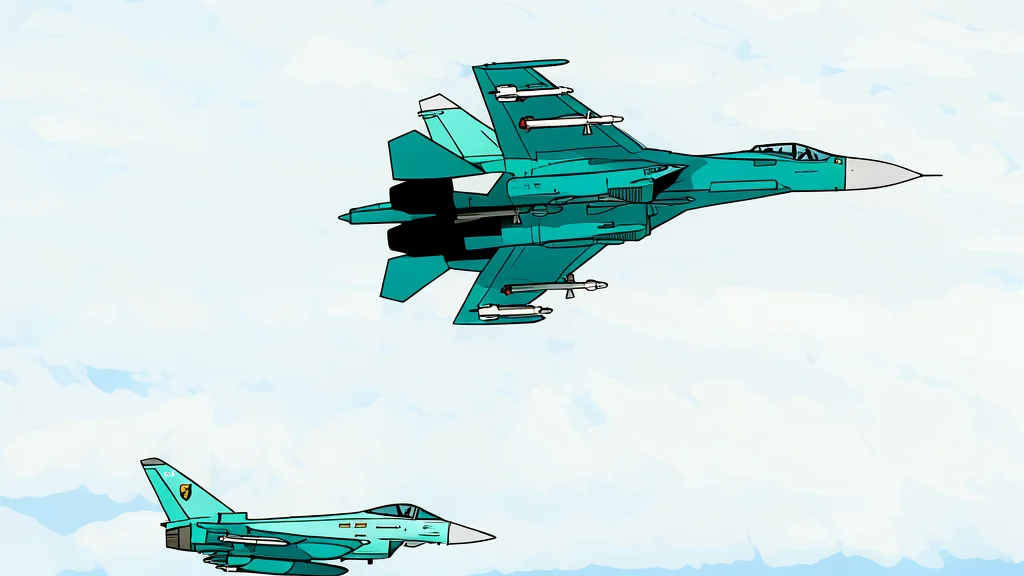
Russian authorities reported that hundreds of drones targeted Moscow and nearby regions on Sunday, the concluding day of the country’s parliamentary election. According to Moscow Mayor Sergei Sobyanin, at least two civilians were killed in the attacks, including a 44-year-old woman and an elderly man. The incidents marked a significant escalation in hostilities during a politically sensitive period for the Kremlin.
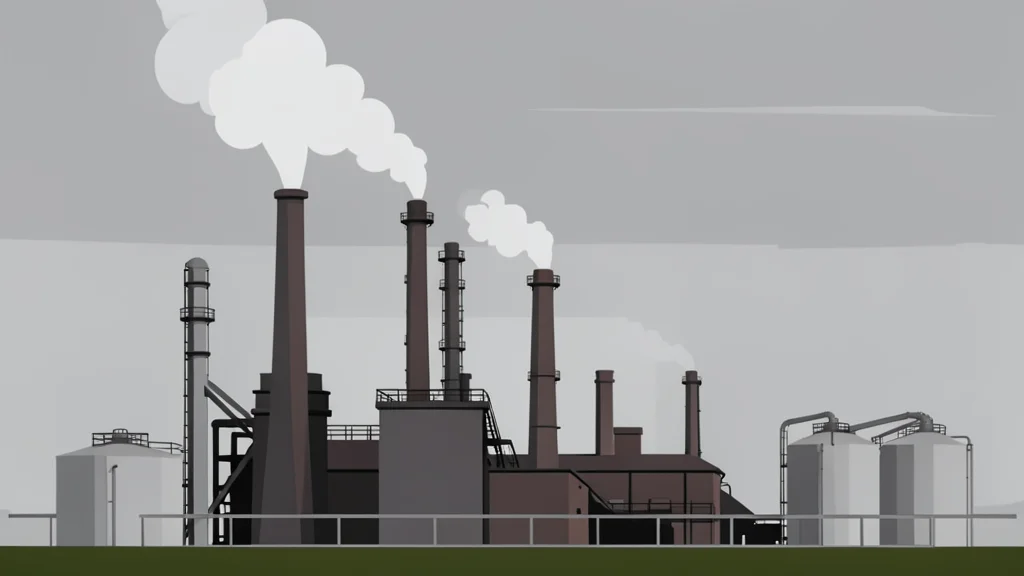
Sobyanin stated that a major oil refinery in the capital sustained damage, though no casualties were reported at the industrial site. A drone strike also impacted a 21-story residential building, triggering a fire that prompted authorities to evacuate approximately 400 residents, including 70 children. Russian air defense forces claimed to have downed more than 1,600 drones since Saturday, with around 450 reportedly aimed at the capital.
Election Context Amidst Conflict
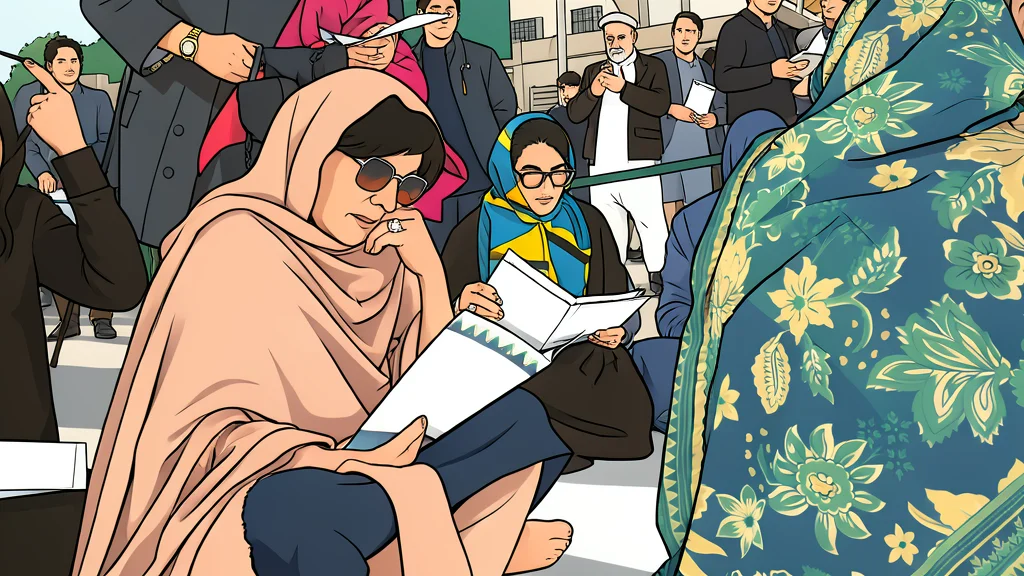
This marks the first parliamentary vote since Russia launched its full-scale invasion of Ukraine in February 2022. President Vladimir Putin has framed the election as a referendum on public support for military operations in Ukraine. Initial results were expected late Sunday, with final tallies anticipated by Monday. The ruling United Russia party is widely projected to retain its dominance in the legislature, despite economic pressures and rising inflation linked to the war.
According to the GN auto geopolitics/global: election interference desk, Russian officials have accused Ukraine of attempting to disrupt the electoral process. Moscow’s online voting system reportedly faced a cyberattack, though independent verification of the source remains limited. Putin also referenced an alleged attack on the home of an election official in Russian-controlled Zaporizhzhia, a claim that Reuters noted it could not independently verify.
Limited Opposition Participation
Most candidates opposing the war were barred from contesting the election. According to Reuters, some members of the Yabloko party participated, though party leaders have expressed concerns about potential government reprisals for their anti-war stance. Russian law permits imprisonment for statements critical of the military or for disseminating information deemed false by authorities. Yabloko leader Nikolai Rybakov protested by writing the party’s name on his ballot paper.
Forward Looking Implications
The combination of drone strikes and the electoral outcome presents a complex geopolitical landscape. Analysts suggest that while United Russia is expected to maintain power, dissatisfaction with economic conditions may shift votes to parties like the Communists or New People, both of which have generally supported the ruling bloc on key issues. The next phase will likely involve assessing the long-term impact of these attacks on public sentiment and regional security dynamics.