EEAS Warns Russian Strikes Halve Ukraine Grain Exports
The EEAS states that attacks on Ukrainian logistics have cut grain exports by half, threatening global food security and storage capacity by October.
Key points
- Ukraine's grain exports have halved compared to last year due to attacks on ports and shipping lanes.
- The Black Sea handles 90 percent of Ukraine's agricultural exports, making safe passage critical.
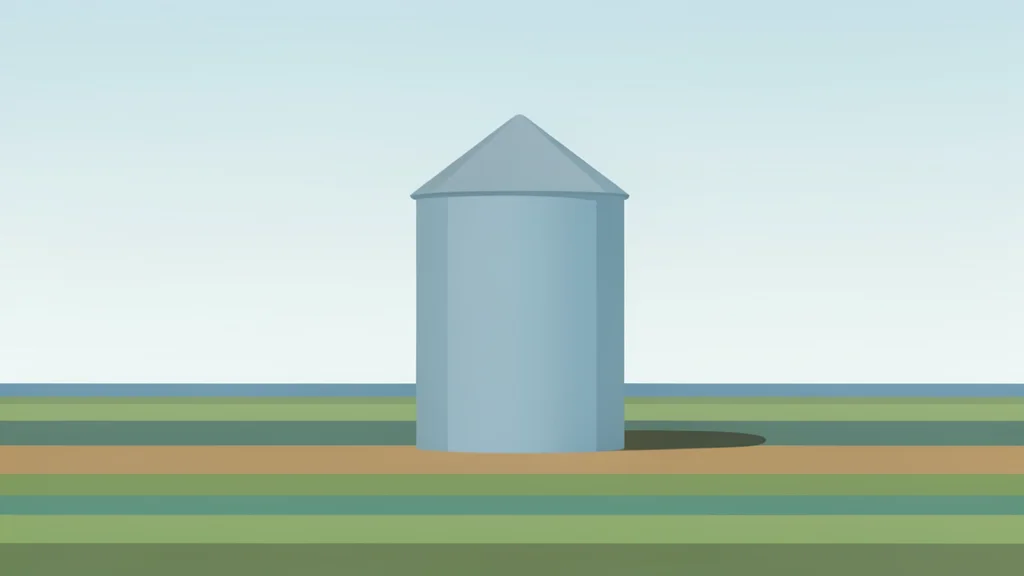
- Ukraine may run out of grain storage capacity by October, risking the loss of nine million tonnes.
The European External Action Service has issued a stark assessment of the geopolitical impact of ongoing military operations in the Black Sea region. According to the EEAS, systematic targeting of ports and shipping lanes is severely restricting Ukraine’s ability to export agricultural products. This disruption is not merely a local economic issue but a direct threat to global food stability, particularly for nations in Africa, Asia, and the Middle East that rely heavily on Ukrainian grain and oil.
Before the full-scale invasion, Ukraine played a pivotal role in the global food supply chain, providing 15 percent of the world’s corn and 10 percent of its wheat. The current situation has altered this dynamic dramatically. As the harvest season progresses, export volumes have reportedly dropped by half compared to the previous year. The EEAS warns that if current trends continue, Ukraine may exhaust its storage capacity by October, leaving millions of tonnes of grain without a market outlet.
Storage capacity faces critical limits
The physical infrastructure for storing grain is under significant strain. The EEAS notes that over nine million tonnes of harvested grain may remain in fields or inadequately stored facilities if export routes remain blocked. This surplus does not simply vanish; it risks spoilage, rendering it unusable for food or feed. For Ukrainian farmers, the inability to sell this harvest means a lack of capital to purchase seeds and fertilizers for the following planting season, creating a compounding crisis that could affect global supplies well into 2027.
Alternative routes mitigate but do not solve
The EU has implemented the Solidarity Lanes to provide alternative land and rail corridors for agricultural exports. These routes have been critical in maintaining some level of trade flow. However, the EEAS emphasizes that these measures are mitigating, not curative. The Black Sea continues to handle approximately 90 percent of Ukraine’s agricultural exports, making safe maritime passage essential for global supply stability. Without access to seaports, the efficiency and volume of exports remain insufficient to meet global demand.
The diplomatic stance outlined by the EEAS calls for an immediate moratorium on strikes against grain infrastructure and commercial shipping. The organization argues that food access must not be used as a weapon of war. The forward-looking assessment suggests that only a ceasefire and the restoration of safe navigation in the Black Sea can avert a deeper crisis. The international community is urged to increase pressure for negotiations, framing peace not just as a humanitarian imperative for Ukraine, but as a necessity for global food security.