European Intelligence Chiefs Assess Timing of Potential Russian Escalation
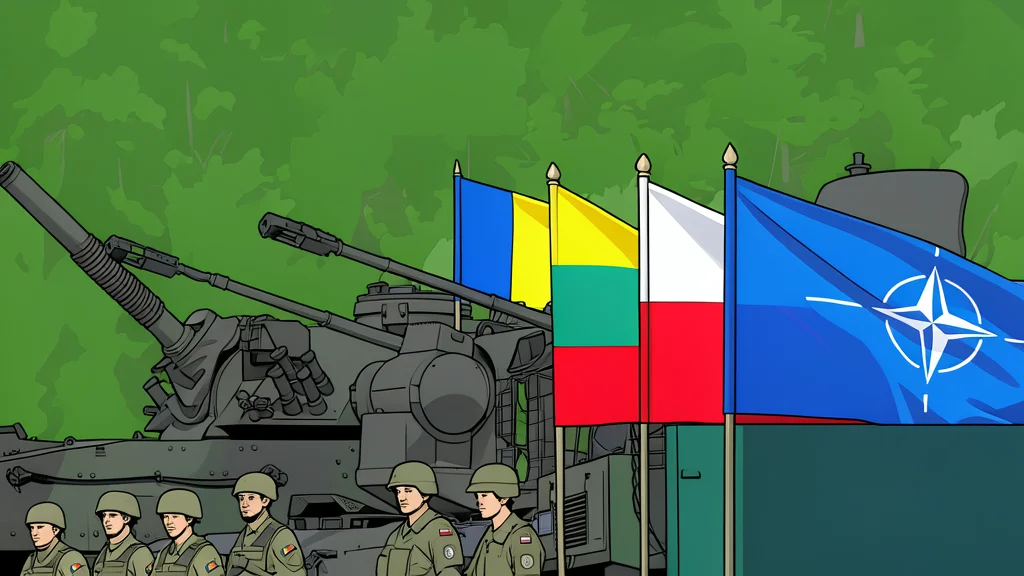
Senior security officials from the Baltic states and Central Europe are weighing the likelihood and timing of a Russian probe into NATO territory, balancing urgent warnings against the need to avoid public panic.
European intelligence leaders have raised concerns that Moscow may be preparing for a more decisive action against NATO in the coming months. While some officials describe the threat as imminent, others caution that the situation requires careful assessment to distinguish between concrete operational plans and broader strategic destabilization tactics.
The warnings follow statements by Polish Prime Minister Donald Tusk, who indicated that intelligence suggests a potential drone or missile attack on NATO territory could occur soon. Such an action would be designed to test the practical application of Article 5, the mutual defense clause of the alliance, rather than to launch a full-scale war.
Divergent assessments within European security services
According to The Guardian, Michal Koudelka, head of the Czech security service BIS, stated that a limited incursion or false-flag operation is possible within months. He noted that while significant efforts are underway to prevent such scenarios, the window for a provocative act remains open and requires constant vigilance.
In contrast, Normunds Mežviets, director general of Latvia’s state security service VDD, expressed a more measured view. He stated that there are currently no indications of an imminent attack, suggesting that Moscow’s preparations may be part of a long-term strategy to spread fear and uncertainty within Western societies rather than a precursor to immediate military action.
Baltic leaders urge calm in public messaging
Baltic politicians, who have historically criticized Western Europe for being insufficiently vigilant regarding Russia, are now advising caution in public discourse. Estonia’s foreign ministry secretary general Jonatan Vseviov recently called for calm, emphasizing that if there were clear evidence of an impending attack, it would be communicated officially to the public.
This shift in tone reflects a desire to avoid economic and social disruption driven by panic. Mežviets noted that while Western partners have finally heeded Baltic warnings since 2022, excessive alarmism could inadvertently serve Russian interests by undermining stability in the region.
Diplomatic channels and upcoming UN assembly
These intelligence assessments emerge as the UN General Assembly convenes in New York, with tensions already heightened by intensified airstrikes in the Ukraine conflict. Kyiv recently conducted one of its largest air attacks of the war, striking targets in Moscow and other Russian regions, further complicating the security landscape in Europe.
Diplomatic efforts continue in parallel, with a recent trip by CIA director John Ratcliffe to Moscow and Riga noted by officials, though details of these discussions remain classified. The focus for European security services remains on monitoring specific indicators of mobilization while maintaining readiness for a range of potential scenarios.