JLR Targets NATO Defense Contracts with Defender Platforms
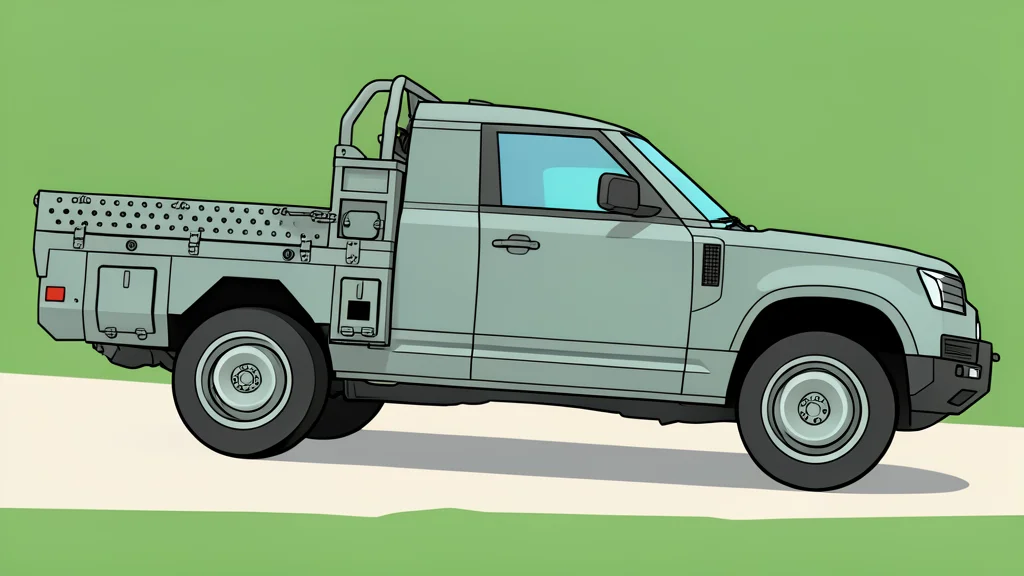
Jaguar Land Rover is positioning its Defender architecture for military service, aiming to secure major contracts with the UK Ministry of Defence and various NATO member states.
Jaguar Land Rover has formally entered the competitive bidding process for significant defense contracts, targeting both the United Kingdom’s Ministry of Defence and broader NATO organizational needs. According to GN geopolitics/nato, the automaker is leveraging the existing Defender platform to develop a suite of militarized vehicles designed to replace aging fleets. This strategic move marks a significant expansion of the company’s role in global defense logistics, shifting from civilian utility to specialized tactical applications.
The initiative centers on the Defender Wolf Series II, a variant built on the same D7x monocoque architecture as the civilian models. By utilizing this shared foundation, JLR aims to offer a robust and versatile platform that can be adapted for multiple operational roles. The company claims that over 62,000 tests have been conducted to ensure these vehicles meet the rigorous standards required for modern military engagement, positioning the Defender as a potential successor to current light mobility vehicles.
Adapting Civilian Architecture For Tactical Use
The proposed military configurations include a Tactical Mobility Vehicle and a Utility Vehicle, both derived from the standard Defender chassis. Unlike traditional armored trucks, these models retain much of the original vehicle’s front-end design while modifying the rear and cabin structures for specific tactical purposes. The Tactical Mobility Vehicle features an open-cabin design with seating for four soldiers, replacing standard doors and side windows to enhance operational flexibility and rapid ingress or egress.
A distinct pickup variant has also been introduced, utilizing the Defender’s front end while replacing the rear passenger area with a large cargo bed. This configuration is designed to transport heavy equipment and supplies across challenging terrain. According to GN geopolitics/nato, this approach allows the manufacturer to offer a single, adaptable platform that can serve as the basis for up to nine different vehicle types, including battlefield ambulances and command and control units.
Competitive Landscape In Military Mobility
JLR’s entry into this sector places it in direct competition with established defense suppliers and other automotive manufacturers seeking to secure government contracts. The United Kingdom’s requirement for new light mobility vehicles has created a significant market opportunity, while NATO member states are also looking to diversify their procurement sources. The Defender’s reputation for off-road capability provides a strong foundation for these bids, offering a familiar and proven platform to military buyers who prioritize reliability in harsh environments.
The success of these bids will depend on how well the vehicles perform in comparative trials against existing and rival models. Military procurement processes are lengthy and complex, requiring extensive validation of safety, durability, and operational effectiveness. JLR’s strategy relies on the economies of scale and technical familiarity associated with the civilian Defender, potentially offering cost and logistical advantages over specialized military-only platforms.
Future Procurement And Operational Integration
If successful, the Defender could become a standard issue vehicle across multiple NATO forces, standardizing logistics and maintenance protocols. The potential for nine distinct vehicle variants from a single architecture suggests a streamlined approach to fleet management, reducing the need for multiple specialized platforms. This integration could enhance interoperability between allied nations, facilitating joint operations and shared supply chains.
The next phase will involve rigorous field testing and formal evaluation by defense ministries. Observers will watch closely for announcements regarding the outcome of the UK tender and any subsequent expressions of interest from other NATO countries. The transition of a high-profile civilian brand into the defense sector also raises questions about the blurring lines between commercial and military mobility, a trend that is increasingly shaping the global automotive and defense industries.