Former NATO Ambassador Luik Warns of Unpredictable Security Shifts
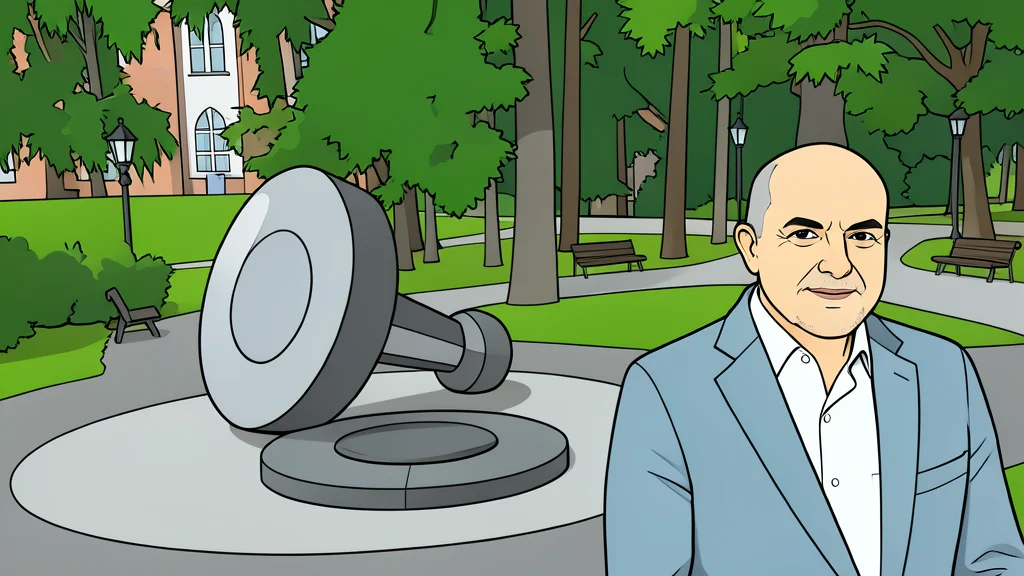
Jüri Luik advises Baltic states to prepare for rapid geopolitical changes, noting that the current security environment is highly volatile.
Key points
- Jüri Luik states the Russian threat is a constant reality, not just rhetoric, requiring serious preparation.
- He advises small states to identify and exploit "windows of opportunity" in a volatile geopolitical landscape.
- Luik argues that long-term forecasting is unreliable due to the rapid unraveling of the traditional security system.
Former Estonian Permanent Representative to NATO Jüri Luik has cautioned that the security landscape in Europe is entering a period of profound uncertainty. Speaking as a visiting professor at the Skytte Institute, Luik argued that the Russian threat must be treated as a constant reality rather than mere political rhetoric. He emphasized that while the specific timing or form of a potential conflict is difficult to predict, the underlying risk remains persistent.
According to balticsentinel.eu, Luik’s assessment reflects a broader shift in how small states approach geopolitical strategy. With five years of experience representing Estonia in Brussels, including during the full-scale invasion of Ukraine, he believes the traditional security architecture is unraveling. His comments suggest that Baltic nations must move beyond reactive defense planning and prepare for scenarios that could emerge with little warning.
Strategic windows for small states
Luik used the concept of a "window of opportunity" to explain how Estonia has historically navigated global politics. He cited the country’s accession to NATO as a prime example of seizing a moment where external conditions aligned with internal readiness. He noted that small states cannot create these opportunities themselves but must recognize and exploit them when they appear.
The former ambassador also pointed to Estonia’s success in the digital sector as another instance of this strategy. He argued that the country leveraged its early expertise in cyber and IT to position itself as a leader in these fields. However, he cautioned that maintaining such a position requires continuous effort, especially as global attention shifts toward emerging technologies like artificial intelligence.
Volatility complicates long-term forecasting
When asked about the reliability of long-term predictions, Luik expressed significant skepticism. He compared the current geopolitical climate to a weather system that is inherently unstable, noting that even short-term forecasts are often inaccurate. He referenced the rapid collapse of the Soviet Union as a historical example of how quickly established patterns can disintegrate within a short timeframe.
The professor emphasized that in such a turbulent period, identifying trends is far more valuable than attempting precise predictions. He aligned his view with that of Estonia’s current defense establishment, which stresses the importance of flexibility. According to Luik, the key to resilience is not knowing exactly what will happen next, but being prepared to respond effectively to a wide range of potential outcomes.
Preparation for unpredictable scenarios
Luik’s analysis suggests that Baltic states should focus on adaptability rather than rigid planning. He indicated that the current security system is no longer stable enough to rely on established assumptions. Instead, policymakers must remain vigilant for sudden changes in the geopolitical environment, whether in military affairs or technological development.
The former ambassador concluded that the challenge for Estonia and its partners is to maintain a state of readiness without becoming paralyzed by fear of the unknown. He urged a pragmatic approach that balances confidence in national stability with a clear awareness of external threats. The forward question remains how these nations will interpret the next strategic opening as the international order continues to evolve.