Frontline Shifts and NATO Air Defense Test
Ukrainian forces report reduced Russian offensive pressure, while a simultaneous deep drone incursion into Romania raises questions about allied air defense readiness.
The operational landscape in eastern Ukraine has undergone a noticeable shift this week, with Ukrainian military officials reporting a significant decline in the frequency and intensity of Russian attacks across multiple sectors. According to field commanders, the reduction in enemy pressure suggests that Russian forces may be experiencing logistical or personnel constraints, a pattern observed in previous summer offensives. This development coincides with intense diplomatic activity and a complex interplay of military exercises and security incidents within the NATO sphere.
Simultaneously, the security environment in the region has been tested by a series of high-profile events, including a Russian drone flying deep into Romanian airspace during a large-scale NATO air defense exercise. The incident, which occurred without immediate interception, has prompted scrutiny of allied coordination and deterrence capabilities. As the conflict continues to evolve, the focus remains on how these tactical shifts and security breaches will influence broader strategic calculations and civilian safety in affected areas.
Reduced Russian Pressure on Front
In the Zaporizhzhia sector, the commander of the 1st Assault Regiment, Dmytro Filatov, stated that Russian attacks have decreased by approximately 40 percent. He attributed this drop to the potential transfer of Russian troops to other parts of the front, describing the current phase as one where the opposing side is struggling to sustain offensive momentum. This assessment aligns with broader reports of a shrinking Russian pressure zone, a phenomenon that has characterized the latter stages of previous major offensives.
Further developments in the same region indicate that Russian forces have retreated from the village of Myrne, losing control of key defensive positions along the Vovcha River. According to information from Ukrainian military analysts, the 29th Combined Arms Army is attempting to prevent a Ukrainian breakthrough that could trap Russian units on the wrong side of the river. The situation remains fluid, with reports suggesting that even the heavily committed 90th Tank Division may face difficulties in holding the line, raising concerns about a potential collapse of Russian defensive structures in the area.
NATO Exercise Meets Drone Incident
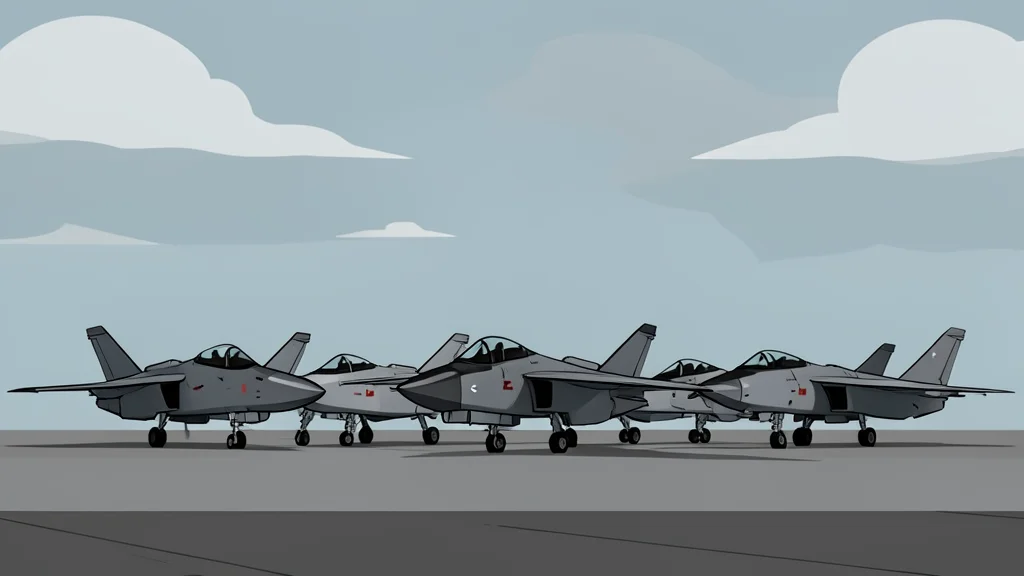
The timing of a major NATO air defense exercise, involving numerous fighter jets and surveillance aircraft, coincided with a Russian drone penetrating deep into Romanian airspace. According to reports, the drone was not intercepted during the exercise, an event that has drawn criticism and raised questions about the effectiveness of allied air defense systems. The incident highlights the challenges of maintaining deterrence and security in a region where hybrid threats and direct aggression continue to test the readiness of international partners.
This event underscores the complex dynamics of the current security landscape, where military exercises and real-world threats intersect. The failure to intercept the drone during a high-visibility training operation has sparked debate about the coordination and response protocols of NATO members. As the conflict in Ukraine continues, the ability to protect allied airspace and maintain a credible deterrent posture remains a critical concern for regional stability.
Escalating Strikes on Russian Territory
While the front lines in Ukraine have seen changes in intensity, the situation on Russian soil has intensified with targeted strikes in the southern Kuban region. According to the Kyiv Post, these attacks have involved warships, sea drones, and the destruction of air defense systems, marking a shift in the nature of the conflict. The strikes appear to be individually planned operations designed to disrupt Russian infrastructure and logistics, rather than the periodic large-scale raids seen previously.
This escalation reflects a broader strategy of targeting Russian capabilities beyond the immediate battlefield. The use of advanced drones and coordinated attacks suggests a maturing of Ukrainian long-range strike capabilities. As the conflict extends, the impact on Russian civilian areas and military assets continues to be a significant factor in the overall dynamics of the war, with both sides adjusting their tactics in response to these developments.