Afghanistan's Terror Threat Resurfaces in UN Security Council Debates
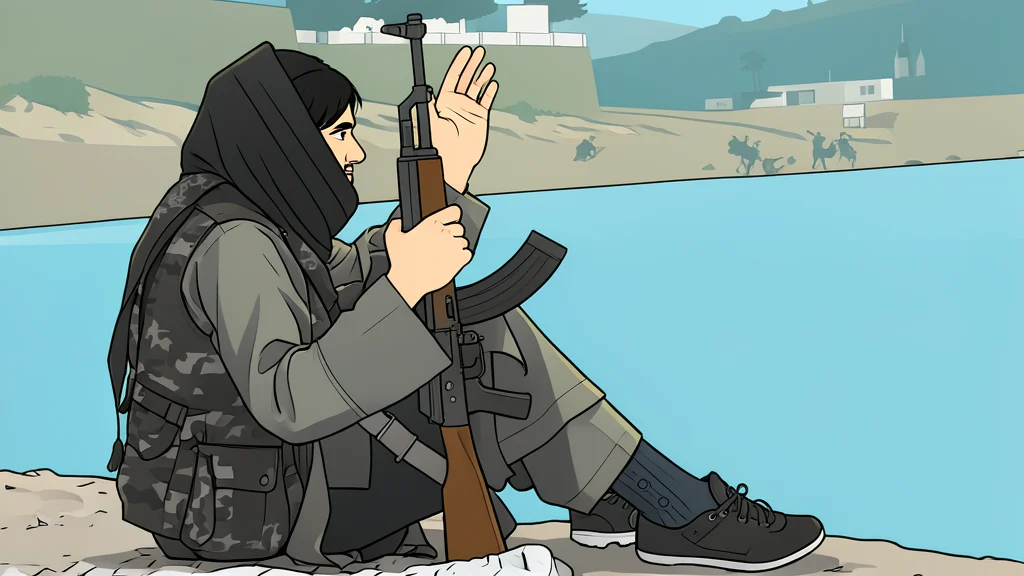
The UN Security Council has re-engaged with the complex security landscape in Afghanistan, citing persistent threats from militant groups despite diplomatic efforts.
Afghanistan has moved back to the center of international security discussions, with the United Nations Security Council addressing the persistent threat posed by terrorist organizations operating within the country. During a session held on September 16 under France’s presidency, council members reviewed the multifaceted challenges facing Kabul, ranging from terrorism and regional stability to human rights and economic reintegration. The debate underscores a shift in diplomatic focus, moving beyond bilateral tensions with neighboring states to acknowledge a broader multilateral concern regarding the stability of the region.
According to UNAMA, the presence of these groups continues to pose a direct threat not only to Afghanistan but also to international peace and security. The assessment highlights that the issue is no longer confined to the relations between Kabul and its neighbors, but has evolved into a systemic concern documented in official UN reporting. This renewed attention coincides with the twenty-fifth anniversary of the September 11 attacks, prompting a specific review of the capabilities and adaptability of networks such as Daesh, Al Qaeda, and the Tehrik-i-Taliban Pakistan (TTP).
Multilateral Reporting Confirms Persistent Threats
The diplomatic weight of these concerns is bolstered by findings from the Security Council’s Analytical Support and Sanctions Monitoring Team. In its latest report, the team described Afghanistan as providing a permissive environment for several designated terrorist organizations, with TTP identified as one of the largest groups present. Al Qaeda was also noted for maintaining links with operatives in the region. These conclusions carry significant gravity because they stem from a multilateral monitoring mechanism rather than the assertions of any single government, thereby lending independent credibility to the warnings about ongoing security risks.
France, during its presidency of the council, emphasized the continuing reach of Daesh Khorasan, Al Qaeda, and the TTP. Ambassador Jérôme Bonnafont had previously flagged these issues for the September agenda, aligning the discussion with the broader counterterrorism strategy. The council’s deliberations reflected a consensus that while some groups have faced operational setbacks from both the Taliban and regional forces, their underlying capabilities remain intact, necessitating sustained international vigilance.
Diplomatic Leverage and Compliance Requirements
The debate has introduced a nuanced discussion on the conditions for Afghanistan’s reintegration into the international community. Member states are increasingly linking diplomatic engagement, including sanctions relief and aid, to measurable compliance with counterterrorism obligations. The United Kingdom, for instance, has advocated for a dual approach that involves acting against groups both inside and outside Afghanistan, while simultaneously pursuing dialogue and protecting civilians. This stance suggests that economic and political normalization will be contingent on the Afghan authorities’ ability to demonstrate concrete steps in curbing terrorist activities.
However, the path forward is complicated by differing national interests. While some members push for stricter enforcement of existing resolutions, others remain cautious about the implications of unilateral actions. The Afghan government has denied hosting foreign terrorists, pointing to operations against Daesh Khorasan as evidence of its cooperation. Yet, the UN insists on independent verification of the presence, financing, and cross-border movement of these groups. This divergence highlights the tension between sovereignty and the international community’s demand for transparency and accountability in counterterrorism efforts.
Looking Ahead at Verification Mechanisms
As the Security Council moves forward, the focus is likely to shift toward establishing robust verification mechanisms. According to GN geopolitics/un, the strategy should not rely solely on military solutions but must incorporate legal frameworks that respect human rights. The upcoming steps include enhanced intelligence sharing with Pakistan and other regional actors, as well as increased humanitarian access to ensure civilian protection. The council is expected to monitor whether the Taliban government can provide credible evidence of compliance, which will serve as a critical benchmark for future diplomatic and economic engagements.