Ireland Unification Remarks Raise Questions on US Policy Intent
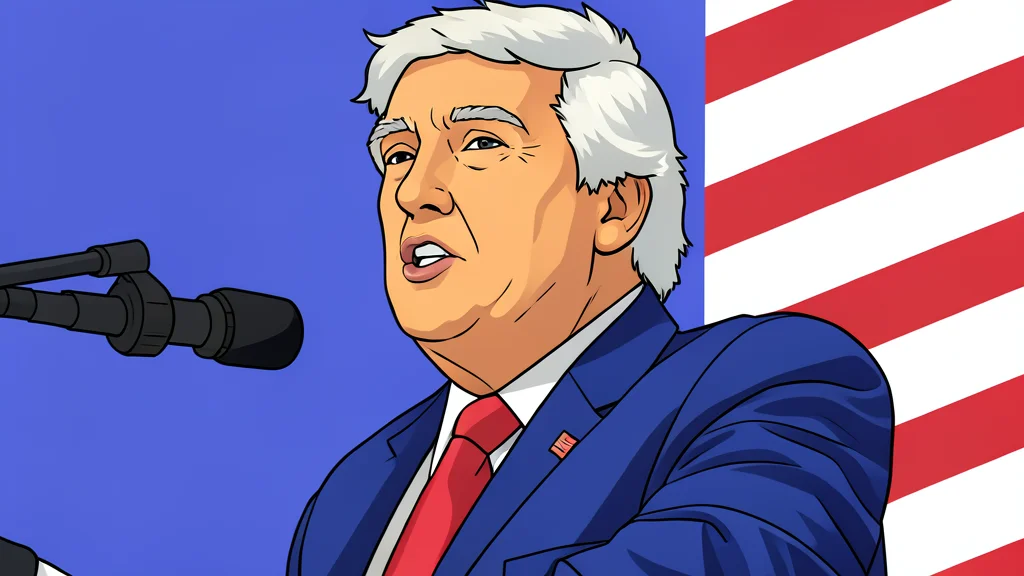
President Trump’s comments on a united Ireland have sparked debate over whether they signal a shift in US foreign policy or reflect domestic political strategy ahead of the midterm elections.
President Donald Trump’s remarks expressing a desire for a unified Ireland have generated significant uncertainty regarding the official stance of the US administration. According to BBC World, the comments emerged during a two-day visit to the island, catching many observers off guard and prompting immediate analysis of their diplomatic implications.
While the statements have rippled through political circles in both Ireland and Great Britain, it remains unclear whether this represents a new policy direction or a spontaneous response to a reporter’s question. The ambiguity has led experts to weigh the significance of the remarks against the long-standing commitments of the US to the existing political framework in Northern Ireland.
Officials Caution Against Policy Interpretation
Former Republican Congressman Mick Mulvaney, who served as Trump’s special envoy to Northern Ireland in the previous term, advised against reading too deeply into the president’s words. He stated that the remarks do not indicate a shift in US foreign policy, emphasizing that the administration remains committed to the Good Friday Agreement.
This view was echoed by Democratic Congressman Brendan Boyle, who noted the bipartisan support for the peace deal. While both politicians acknowledged that unification might eventually occur, they agreed that the United States is not currently pushing for that outcome, highlighting the distinction between a president’s personal views and official state policy.
Strategic Audience Considerations
Trump repeated his sentiments during a speech to business leaders at the US Ambassador’s residence, suggesting the topic was deliberate rather than accidental. Although the address was billed as a brief interaction with Irish and Irish-American executives, it extended well beyond the planned duration and veered into domestic US issues, such as immigration and defense production.
Observers have questioned whether the primary audience for these remarks was the local business community or the American electorate, particularly given the approaching November midterm elections. With the Republican party facing pressure to retain control of Congress, targeting Irish-American voters, who have historically held sway in various regions, may have been a strategic consideration.
Historical Precedents in Electoral Strategy
The potential electoral influence of Irish-Americans is not new to US politics. Bill Clinton, for instance, secured significant support from this demographic during his presidential campaign by promising engagement in the Northern Ireland peace process. That commitment contributed to the foundations of the Good Friday Agreement, illustrating how foreign policy positions can resonate with specific voting blocs.
However, the current political landscape is more polarized, and Irish-Americans are no longer a homogeneous voting bloc. As the midterm elections approach, the interplay between foreign policy statements and domestic electoral strategy continues to be a subject of intense scrutiny. Political leaders in Ireland are now hoping that the focus will shift away from these contentious remarks and toward less politically charged events during the remainder of the visit.