Campaigners Urge UN Council to Address Sudan Conflict
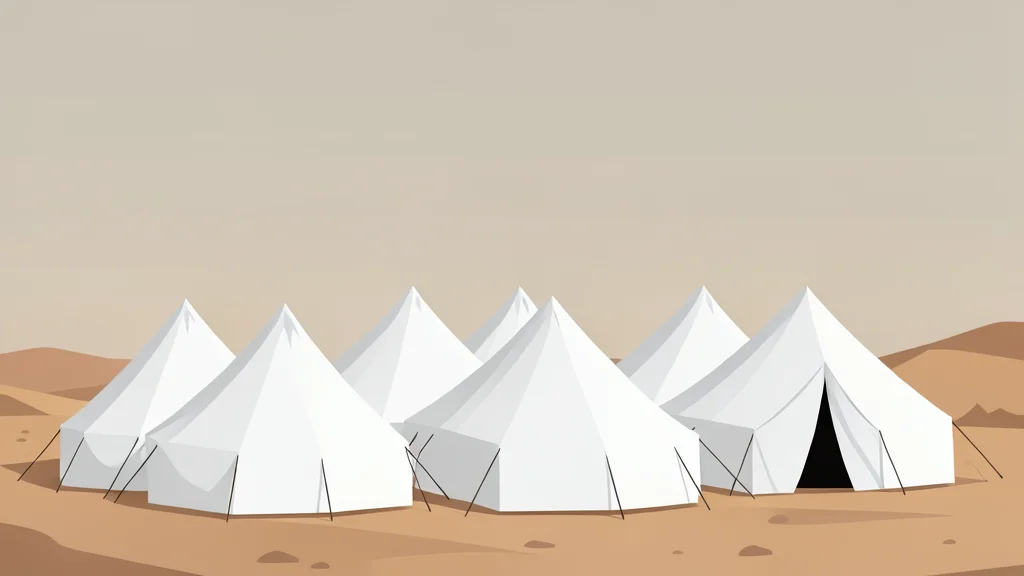
Human rights groups argue that Sudan's war is being politically ignored rather than forgotten, pressing the UN Human Rights Council for independent investigations into chemical weapons use and urgent civilian protection.
Human rights organizations have formally challenged the United Nations Human Rights Council to address what they describe as a deliberate international neglect of the conflict in Sudan. During the opening week of the Council’s 63rd session, advocacy groups convened in Geneva to demand an independent investigation into allegations of chemical weapons use and to secure urgent protection for civilians trapped in besieged cities. The panel, held at the Geneva Press Club on 8 September, emphasized that the scale of suffering in Sudan remains disproportionate to the level of diplomatic attention it receives.
According to GN geopolitics/rights (en-US), the central argument presented by the campaigners is that the conflict is not forgotten by those living through it, but is being ignored by the international community through a series of political choices. Willy Fautré, founder of Human Rights Without Frontiers, urged delegates to retire the phrase “forgotten war,” noting that residents in cities like El Fasher and El Obeid are acutely aware of the ongoing crisis. He stressed that the lack of international accountability is a failure of the global system rather than a lack of memory or concern from the affected population.
Chemical Weapons Allegations Unresolved
A significant portion of the advocacy focused on the absence of an international inquiry into the use of chemical weapons. Fautré highlighted that while the United States State Department determined in April 2025 that the Government of Sudan used chemical weapons in 2024, no independent investigation involving the Organisation for the Prohibition of Chemical Weapons has been established. He described this gap as a scandal, particularly given that journalists have documented the use of weaponized chlorine and that the US has subsequently implemented sanctions restricting financing, exports, and airspace access.
The humanitarian situation has deteriorated significantly, with drone warfare now accounting for more than 80 percent of civilian deaths in the first four months of the year, according to UN human rights monitoring. The United Nations estimates that approximately 33.7 million people, or two-thirds of the population, will require assistance this year, with famine present or feared in 23 areas. This remains the world’s largest displacement crisis, yet Thierry Valle, president of CAP Freedom of Conscience, noted that there is currently no ceasefire, no credible political process, and no meaningful accountability mechanism in place.
European Obligation and Religious Minorities
European Parliament member Matej Tonin contributed to the discussion via video, framing the response as a specific European obligation. He pledged to work with colleagues to ensure that humanitarian assistance reaches all Sudanese citizens regardless of their background or religion. Tonin emphasized the need to restore and protect humanitarian access, asserting that justice and accountability must prevail with full respect for international law, leaving no room for impunity regarding atrocities committed against civilians.
Wimco Ester, an advocacy officer at Open Doors, further contextualized the crisis by highlighting the specific vulnerabilities of religious minorities. He warned against treating attacks on these groups as a secondary issue or a by-product of the broader conflict. The collective message from the panel was that the international community must move beyond rhetorical concern to implement concrete recommendations, including the establishment of an independent investigation body and the enforcement of protections for vulnerable populations within besieged areas.
Forward Focus on Council Action
The immediate next step lies with the UN Human Rights Council as it proceeds with its 63rd session. The campaigners have submitted three specific recommendations aimed at the delegates, seeking to formalize the demand for an independent chemical weapons investigation and enhanced civilian protection mechanisms. Observers will now watch how the Council responds to these appeals, particularly whether it will endorse the call for an inquiry that includes the Organisation for the Prohibition of Chemical Weapons, and what diplomatic pressure it will exert on the conflicting parties to allow humanitarian access.