Iran Rejects Surrender Demands Amid BRICS Summit

Iranian President Pezeshkian asserts that Tehran will not yield to external pressure, citing strikes on civilian infrastructure and a breakdown in trust with Washington.
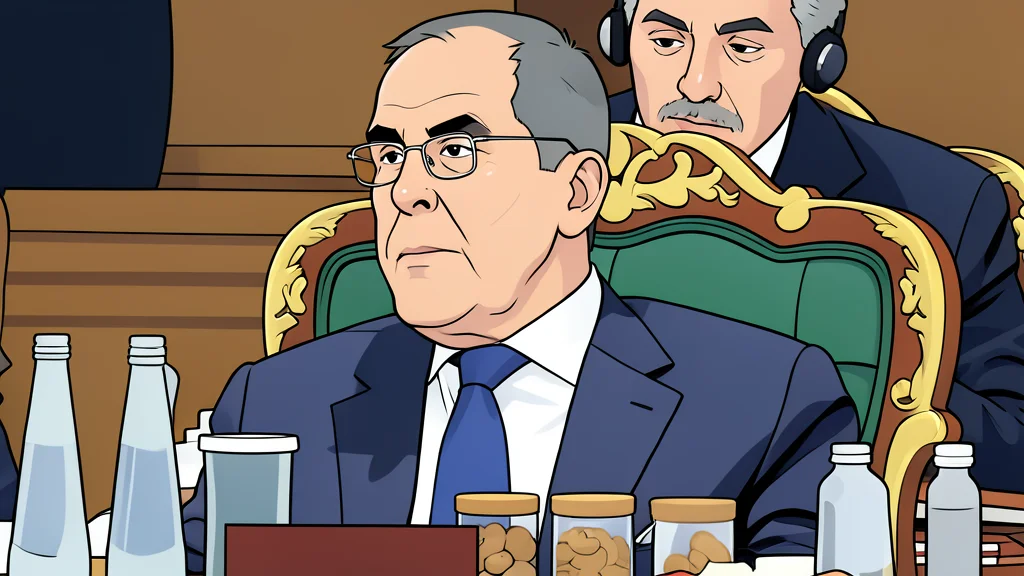
From the sidelines of the BRICS Summit in India, President Masoud Pezeshkian has issued a firm statement rejecting the notion that Iran can be coerced into surrender. According to remarks released on Saturday, Pezeshkian condemned recent military actions by the United States and Israel, arguing that these forces have targeted civilian infrastructure, food supplies, and essential services rather than engaging directly with Iranian military capabilities. The President framed the conflict not as a strategic military confrontation but as an assault on the daily livelihoods of the Iranian population, a narrative intended to galvanize domestic support and appeal to international sympathy.
The President’s statements coincide with a complex diplomatic environment where Tehran maintains its commitment to the Nuclear Non-Proliferation Treaty (NPT) while accusing Washington of using nuclear concerns as a pretext for aggression. In an exclusive interview, Pezeshkian emphasized that Iran’s nuclear activities have always remained within internationally recognized rules, challenging the evidence provided by the US and Israel to support their claims of a weapons program. This position sets the stage for a continued diplomatic standoff, with Tehran insisting that sanctions be lifted and hostilities cease before any meaningful dialogue can resume.
Accusations of Civilian Targeting
Pezeshkian directed sharp criticism at what he described as a disproportionate response from Washington and Tel Aviv. He questioned the morality of denying access to water, food, and medicine during a period of heightened tension, suggesting that such actions were designed to destabilize society rather than achieve military objectives. According to the President, if the opposing parties were truly interested in security, they would engage with Iran’s armed forces directly rather than inflicting damage on the civilian sector. This rhetoric aims to shift the international focus away from Iran’s military posture and toward the humanitarian consequences of the current conflict.
Nuclear Framework and Trust Deficit
Regarding the core issue of nuclear proliferation, Pezeshkian reiterated that Iran remains open to negotiations within the NPT framework. He pointed to the extensive monitoring that has been conducted by international bodies, asserting that Tehran has consistently operated within the bounds of international law. However, the President indicated that a severe trust deficit now exists between Tehran and Washington. He cited the killing of former Supreme Leader Ayatollah Ali Khamenei as a decisive factor that has made immediate direct negotiations with US President Donald Trump politically and socially difficult for the Iranian state.
The Iranian leadership claims that a memorandum of understanding was previously reached with the United States but was subsequently abandoned by Washington. Pezeshkian suggested that this unilateral action by the US further eroded the possibility of good-faith diplomacy. Consequently, Tehran’s current position is that the lifting of sanctions and a cessation of attacks are prerequisites for any return to the negotiating table. The President also drew attention to the perceived double standard in international scrutiny, noting that Israel, despite not being a member of the NPT, faces less rigorous examination of its nuclear capabilities than Iran.
Diplomatic Stance at BRICS
The timing of these remarks at the BRICS Summit underscores Iran’s effort to position itself within a broader coalition of emerging economies that often challenge US-centric diplomatic norms. By articulating these points to an international audience, Pezeshkian seeks to isolate the US and Israel diplomatically while reinforcing Tehran’s sovereignty. The President’s comments reflect a strategy of resilience, aiming to portray Iran as a nation that refuses to capitulate under pressure while maintaining a legalistic stance on its nuclear obligations.
As the summit continues, the focus will likely remain on how other BRICS nations respond to Iran’s characterization of the conflict. The forward question for observers is whether this rhetoric will lead to a further escalation of sanctions and military posturing, or if it will serve as a catalyst for renewed, albeit difficult, diplomatic engagement. The situation remains fluid, with Tehran holding firm on its principles of sovereignty and non-negotiable security guarantees.