Polling Suggests Broad Support for Rejoining the EU
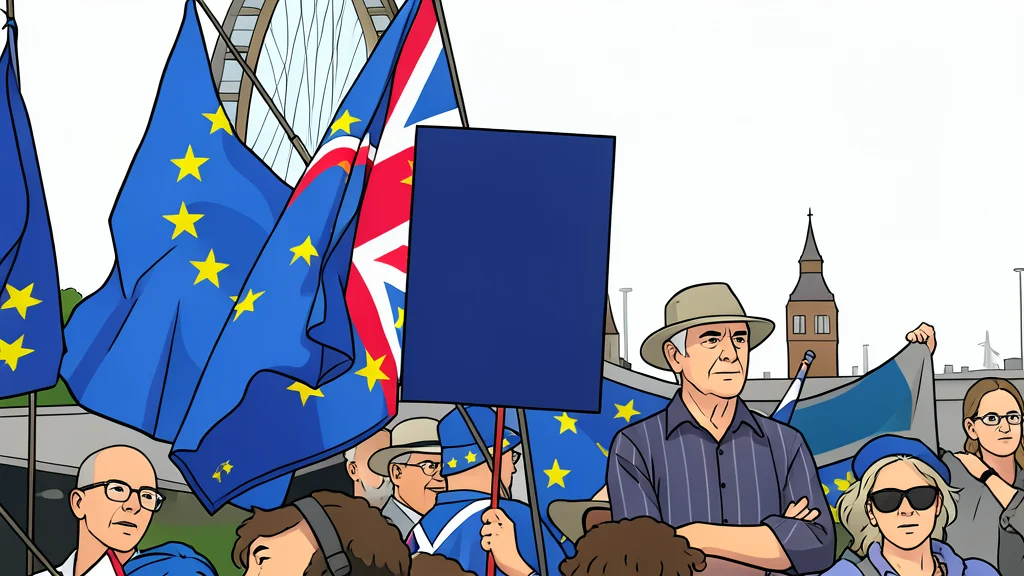
New constituency-level data indicates that a majority of UK voters prefer full EU membership over the current arrangement, challenging the government's diplomatic posture.
Recent constituency-level polling suggests a significant shift in British public opinion regarding the United Kingdom’s relationship with the European Union. According to a survey commissioned by Best for Britain and conducted by YouGov, full EU membership is the preferred policy option in all but four constituencies across Great Britain. This finding stands in contrast to the current government stance, which seeks a closer relationship but maintains specific red lines against rejoining the bloc.
The study, which analyzed data from nearly 12,000 voters, found that 35 percent of respondents favored restoring EU membership as their top priority. By comparison, only 18 percent supported the government’s current approach of seeking a closer relationship within existing constraints, while just 11 percent preferred loosening ties with the bloc. The data indicates that the so-called halfway options, such as joining the single market or a customs union without full membership, are the least popular choices among the general electorate.
Constituency Data Reveals Regional Consensus
The polling, reported exclusively by The Independent, utilized a maximum rescaling analysis to project sentiment across all 632 parliamentary constituencies in Great Britain. The results show that support for rejoining the EU is widespread, spanning Labour, Liberal Democrat, and Green Party bases. In Scotland, seven of the top ten constituencies for EU membership were identified, highlighting strong regional alignment with the bloc. The only seats where membership was not the leading choice were held by Reform UK and Restore Britain, where uncertainty was the most common response.
Tom Brufatto, policy director at Best for Britain, described the findings as a roadmap for politicians seeking to galvanize support. He noted that independent economic research suggests membership could boost the UK economy by at least £92 billion. This economic argument is being used to pressure the prime minister, who has recently called for a stronger and closer relationship with Europe while attending meetings with Irish counterparts.
Political Implications for Current Leadership
The survey places pressure on the Labour leadership to reconsider its red lines on renegotiating the UK-EU relationship. Critics argue that the current position may be leaving support on the table, particularly ahead of the next general election. Liberal Democrat MP Christine Jardine stated that the results confirm Brexit was an economic mistake and urged politicians to repair the damage to communities. She emphasized that closer ties with European allies are necessary for stability and security.
Despite the strong polling for membership, the political landscape remains complex. The prime minister has publicly committed to a UK-EU summit later this year, aiming to take further steps to deepen the relationship. However, the gap between the popularity of full membership and the current diplomatic posture suggests a potential disconnect between executive strategy and voter preference. As the election cycle approaches, parties may find themselves weighing the risks of maintaining the status quo against the opportunity to pivot toward a more integrated European role.
Forward Look on Diplomatic Relations
The coming months will be critical in determining whether the UK government adjusts its diplomatic strategy in response to these findings. Watch closely for the outcome of the upcoming UK-EU summit and any subsequent statements from the prime minister regarding the scope of the relationship. Additionally, the reaction from opposition parties, particularly regarding their willingness to commit to a clear path toward rejoining, will be a key indicator of shifting political tides. The tension between maintaining national sovereignty and seeking economic integration remains the central question in British politics.