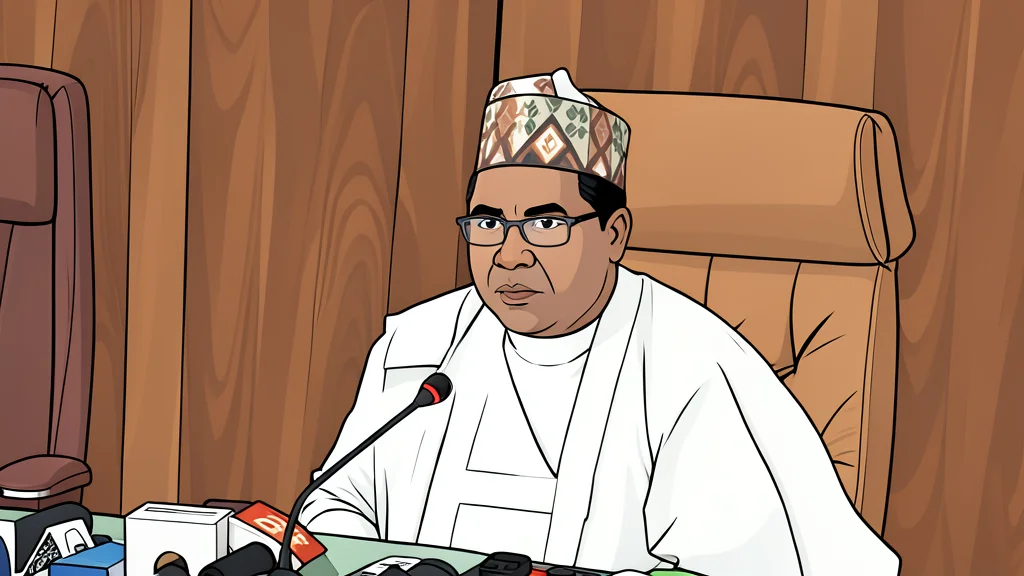
Kenya’s Speaker Urges Calm Ahead of 2027 Election
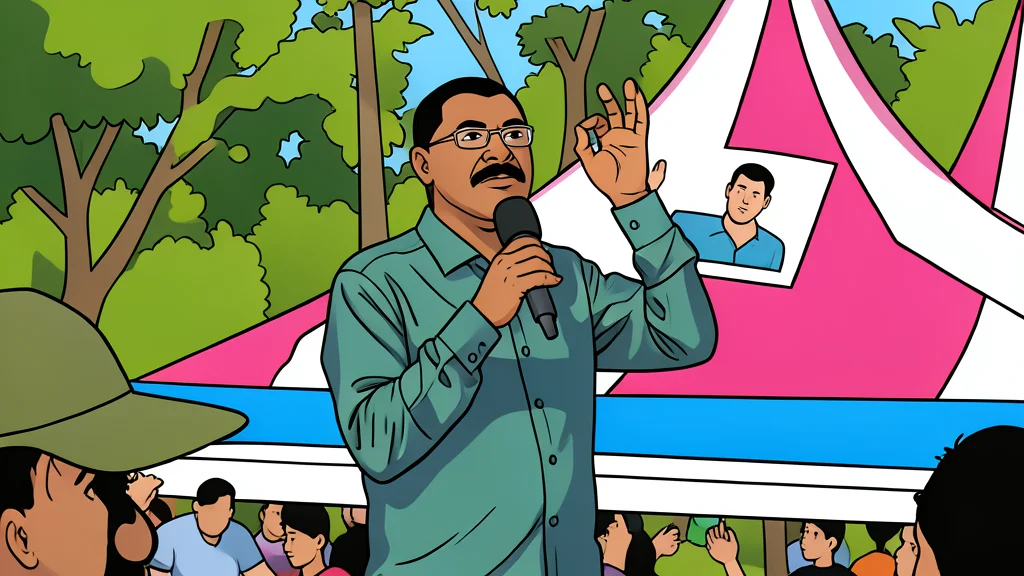
Moses Wetang’ula has called on Kenyans to separate political competition from personal enmity, warning that violence disproportionately harms citizens while leaders reconcile.
National Assembly Speaker Moses Wetang’ula has urged Kenyans to channel their political energy into voting rather than conflict, emphasizing that democratic choice should not devolve into community hostility. Speaking at a church service in Busia County on September 20, 2026, the Speaker framed the upcoming 2027 General Election as a moment for restraint, urging citizens to support their preferred candidates without resorting to physical confrontation.
The remarks, reported by GN auto geopolitics/africa: Kenya elections, highlight a growing concern that political rivalry is increasingly encroaching on social cohesion. Wetang’ula noted that ordinary citizens often bear the immediate costs of unrest, while political figures frequently reconcile after the dust settles. His comments come as mobilization efforts intensify across the country, with leaders addressing supporters in various regions to shape the electoral landscape.
Political Rivalry Distinct From Enmity
According to the Speaker, the core function of an election is to allow individuals to express preference through the ballot, not to settle personal scores. He argued that leaders who appear divided during campaigns often meet and reconcile shortly after the process concludes. Wetang’ula cautioned that supporters should not allow themselves to be used as instruments for conflict, noting that the political class frequently finds ways to coexist despite public disputes.
This perspective underscores a strategic view of political dynamics, where public confrontation is sometimes a tactical performance rather than a reflection of permanent hostilities. By drawing attention to this cycle, the Speaker aims to decouple voter identity from aggressive partisan behavior. The message is clear: while competition is inherent in democracy, enmity is a destructive byproduct that serves the interests of few.
Protecting Youth And Families From Violence
Wetang’ula specifically warned against the mobilization of young people for political confrontations. He stated that he has witnessed political competition for many years and remains committed to peaceful engagement. The Speaker highlighted that violence often leaves youth injured or traumatized, while the politicians they support remain unscathed and continue their careers.
The Speaker also emphasized the disproportionate impact of political unrest on women and families. He noted that when political environments become volatile, mothers and households often suffer the most significant social and economic consequences. This focus on the human cost of instability reflects a broader effort to frame peaceful electioneering as a moral imperative for community well-being.
Context For The 2027 General Election
These remarks occur against a backdrop of increasing political activity ahead of the 2027 General Election. Leaders are actively engaging with supporters across different parts of the country, signaling a period of heightened mobilization. The call for calm is part of a broader narrative aiming to ensure that the electoral process remains a civic exercise rather than a source of social fracture.
As the election date approaches, observers will watch how political parties respond to these calls for restraint. The balance between vigorous campaigning and civic responsibility will be a key indicator of the political climate. Ultimately, the stability of the process will depend on the ability of leaders and citizens alike to maintain a distinction between political disagreement and personal animosity.