Ovechkin's Political Endorsement Triggers Diplomatic Backlash
The NHL star's participation in a campaign ad for Russia's ruling party has drawn sharp condemnation from Western officials and resulted in diplomatic exclusions, highlighting the growing intersection of elite sports and geopolitical conflict.
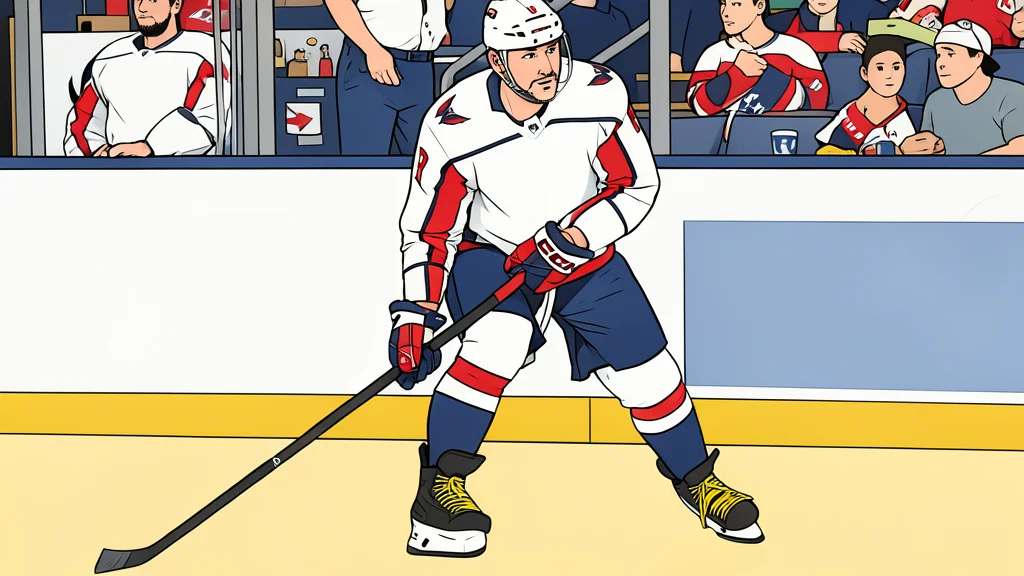
Alexander Ovechkin, the longtime captain of the Washington Capitals, has found himself at the center of a diplomatic controversy following his appearance in a campaign advertisement for Russia's United Russia party. The video, released ahead of the September 18 parliamentary elections, featured the hockey star alongside senior Kremlin figures, including Foreign Minister Sergey Lavrov. According to the Kyiv Independent, Ovechkin defended his involvement by stating that he supports his country and hopes for peace, asserting that he intends to reside in Russia after his playing career ends.
The endorsement has sparked immediate criticism from political figures in the United States and Europe. In a letter to NHL Commissioner Gary Bettman, Republican Representative Joe Wilson expressed concern over the association with officials involved in the war against Ukraine. He specifically highlighted the presence of Maria Lvova-Belova in the promotional material, noting her status as a person wanted by the International Criminal Court for alleged involvement in the deportation of Ukrainian children.
Diplomatic Reactions to the Endorsement
Beyond political statements, concrete diplomatic measures have been taken in response to the ad. Latvian Foreign Minister Baiba Braze announced on September 17 that Ovechkin and Russian oligarch Umar Kremlev have been declared persona non grata. This decision bars both individuals from entering Latvia for an indefinite period, signaling a tangible consequence for public figures who align themselves with the Russian state's political machinery during an ongoing conflict.
The Athlete's Personal Justification
Ovechkin has framed his participation as a personal choice rooted in identity and future residence. He told reporters that he did not hesitate when asked to join the campaign, emphasizing his role as a citizen who supports his nation. The player stated that his involvement was driven by a desire for peace and love, adding that his family plans to live in Russia after his time in professional hockey concludes, thereby linking his political visibility to his long-term personal life.
Intersection of Sport and State
The incident underscores the increasing difficulty of separating elite international sports from state-level geopolitical actions. As United Russia continues to dominate the political landscape, the presence of globally recognized athletes in its promotional materials adds a layer of soft-power visibility that critics argue legitimizes the party's stance. The reaction from Western nations suggests that such endorsements are no longer viewed merely as individual opinions but as significant diplomatic signals.