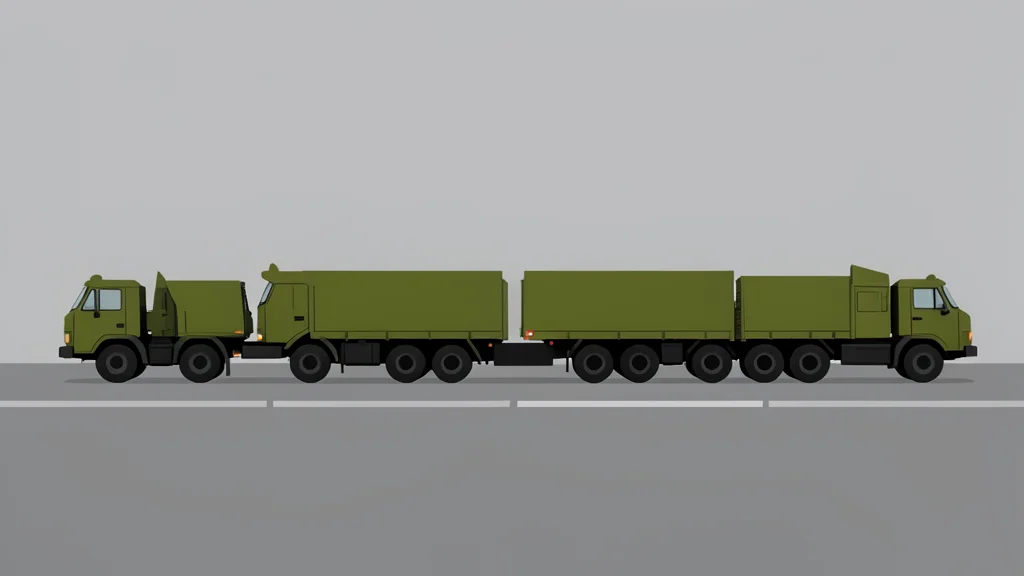
Ukraine War Exposes Gaps in NATO Readiness
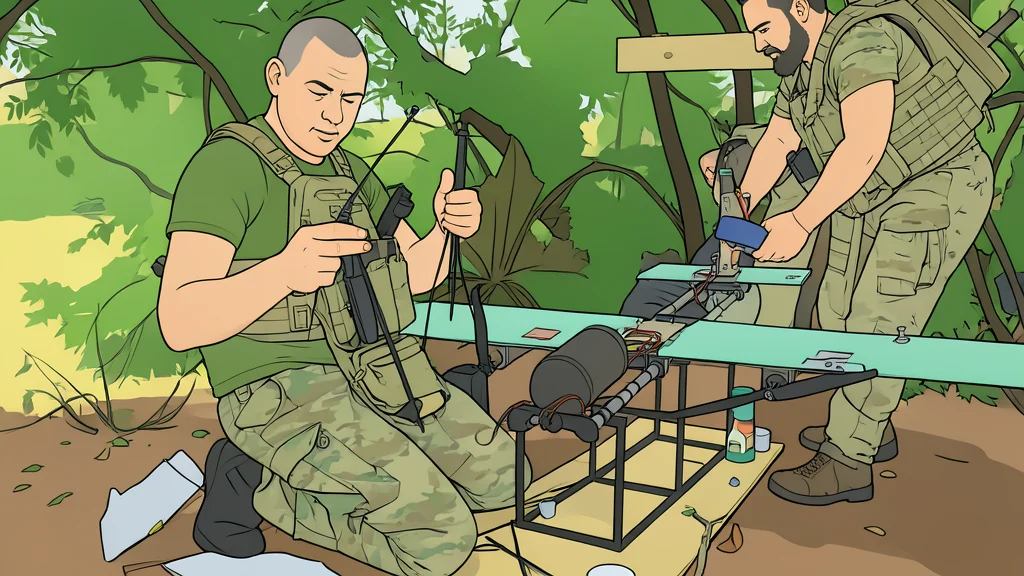
Rapid battlefield evolution in Ukraine is challenging the assumption that existing NATO capabilities remain sufficient, prompting a urgent review of modernization timelines and alliance cohesion.
The ongoing conflict in Ukraine has intensified scrutiny over the operational readiness of the North Atlantic Treaty Organization. While the war has served as a critical testing ground for modern weaponry, it has simultaneously highlighted significant disparities between the pace of battlefield adaptation and the slower procurement cycles typical of major allied militaries.
According to five Ukrainian and Western defense officials, the rapid evolution of tactics and technology on the front lines poses a substantial risk to the relevance of current NATO systems. These sources indicate that while Ukraine has managed to adjust its strategies within weeks, alliance members often require years or even decades to develop and field comparable capabilities, creating a potential window of vulnerability.
Divergent timelines in military adaptation
The core of the concern lies in the mismatch between agile, decentralized decision-making in Ukraine and the bureaucratic inertia often associated with large-scale alliance procurement. Defense analysts suggest that this temporal gap could render certain standardized NATO doctrines obsolete before they are fully integrated into allied forces. The speed at which new countermeasures and autonomous systems are being deployed suggests that static defense planning may no longer be sufficient.
This dynamic is particularly acute given that Ukraine is not a member of the alliance, yet its battlefield experiences directly impact the strategic landscape in Europe. The inability to rapidly transfer these lessons learned into NATO operational doctrine raises questions about the alliance’s ability to respond to future high-intensity conflicts. The divergence in tempo between the two systems represents a structural challenge that extends beyond simple budgetary constraints.
Political pressures reshape defense spending
Concurrently, geopolitical shifts are altering the financial and strategic commitments of NATO members. According to reports from the GN geopolitics/nato desk, the war in Ukraine combined with recent rhetorical pressure from the United States has prompted many European nations to significantly increase their defense budgets. The U.S. Department of Defense is currently reassessing its military posture in Europe, a move influenced by ongoing debates regarding the equitable distribution of security burdens among allies.
These financial adjustments are not merely reactive measures but are part of a broader recalibration of alliance responsibilities. The tension between maintaining robust collective defense and managing bilateral relations has become a central theme in recent diplomatic exchanges. As a result, the focus is shifting from traditional static defenses toward more dynamic, integrated, and technologically advanced force structures that can operate effectively in a contested environment.
Implications for future alliance strategy
The forward-looking challenge for NATO is to bridge the gap between urgent operational needs and long-term strategic planning. Observers note that the alliance must find a way to accelerate its innovation pipeline without sacrificing the interoperability that defines its collective strength. The next phase of European security will likely depend on the ability of member states to harmonize their rapid adaptation capabilities with the alliance’s established command structures.
What to watch next is how effectively NATO integrates Ukrainian battlefield insights into its own training and procurement frameworks. The success of this integration will determine whether the alliance can maintain a credible deterrent posture in a rapidly changing security environment. The coming months will likely reveal whether the increased spending translates into tangible improvements in readiness or if structural inefficiencies continue to hinder effective collective defense.