NATO Adjusts Kosovo Force Strategy Amid Improved Security

NATO is preparing to optimize its Kosovo deployment, a move reflecting steady gains in regional stability while maintaining a reversible and robust security posture.
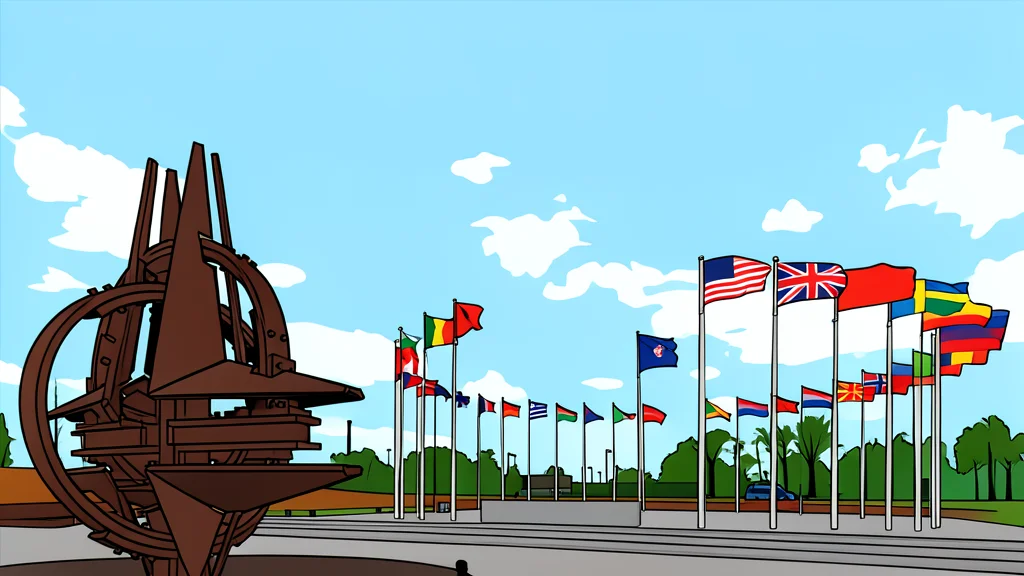
NATO’s North Atlantic Council recently concluded a review of the Kosovo Force (KFOR) mission, signaling a shift in operational posture that aligns with improved security conditions in the region. According to a statement from the alliance, the council received a final update from the force commander and reaffirmed its commitment to maintaining stability across the Western Balkans. This development marks a significant step in how the alliance manages its international presence in Kosovo, balancing the need for continued support with the evolving local security landscape.
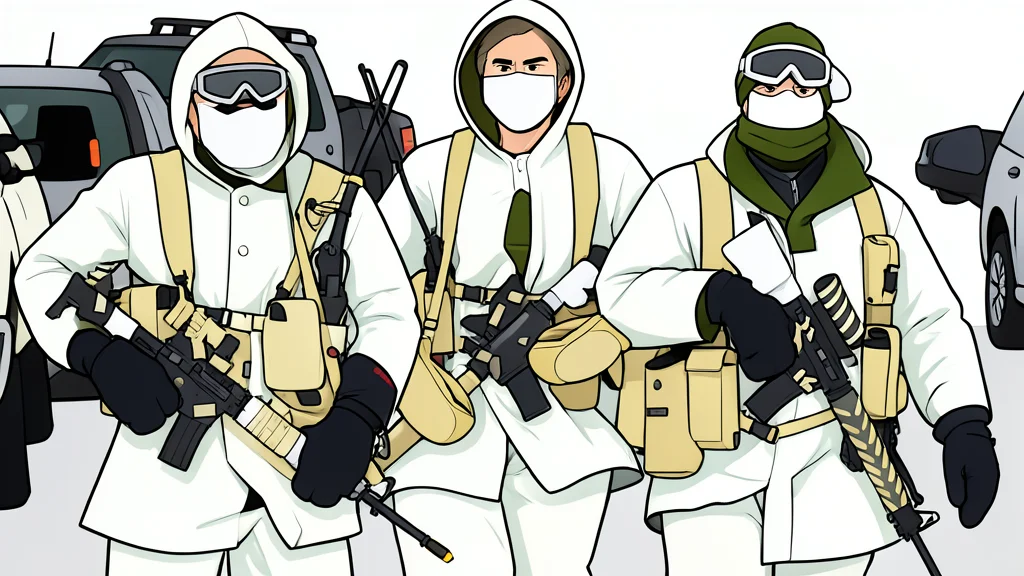
The decision to adjust KFOR’s structure is described as a gradual and conditions-based process. NATO officials emphasized that any changes would be fully reversible should the security environment deteriorate. The force will remain equipped and trained to respond to a wide range of scenarios, ensuring that the alliance retains the capability to protect freedom of movement and maintain a safe environment in accordance with its United Nations mandate.
Operational Shifts Reflect Regional Stability
The optimization efforts are driven by what the alliance characterizes as a steady improvement in Kosovo’s security situation. KFOR operates under United Nations Security Council Resolution 1244, which authorizes an international security presence to ensure peace and order. According to the GN geopolitics/nato report, the force continues to work in close coordination with the Kosovo Police and the EU Rule of Law Mission in Kosovo, known as EULEX. These joint operations are central to the mission’s role as a primary security responder in the area.
While the physical posture of the force may evolve, its core capabilities are intended to remain intact. NATO stated that KFOR will stay staffed and organized to carry out its full UN mandate. This approach allows the alliance to adapt its resources to current needs without compromising its readiness to address potential threats. The gradual nature of these changes is designed to minimize disruption while maximizing operational efficiency in a more stable environment.
Command Transition and Diplomatic Support
Leadership changes are also part of the current transition period. Major General Özkan Ulutaş of Turkey is expected to complete his second tenure as KFOR commander in mid-October. He will be succeeded by Major General Roberto Vergori of Italy. This handover occurs alongside the alliance’s broader diplomatic efforts to support the EU-facilitated dialogue between Belgrade and Pristina. NATO reiterated its support for this process, which aims to normalize relations and address outstanding issues while respecting the rights of all communities.
Monitoring Future Security Developments
As the alliance moves forward with these adjustments, the focus remains on maintaining a credible security presence in the Western Balkans. The reversible nature of the current changes ensures that NATO can quickly adapt if new challenges arise. Observers will likely watch closely for how these operational shifts impact daily security operations and the broader diplomatic dynamics in the region. The commitment to a safe and secure environment remains the central priority for all parties involved.