US Sanctions Bill Threatens 100% Tariffs on Indian Oil Imports
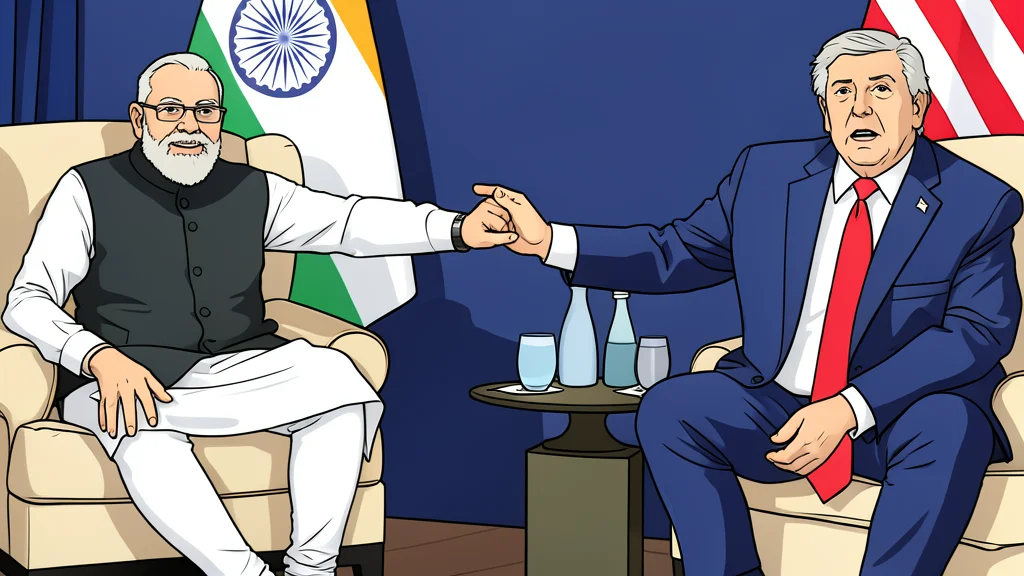
A pending US bill could authorize steep tariffs on countries buying Russian energy, placing significant economic pressure on India’s trade relations with Washington.
New Delhi faces a potential economic shock as US legislation moves closer to final approval, a measure that would empower the President to impose tariffs of up to 100 percent on nations purchasing Russian oil and gas. According to reports from Deutsche Welle, the bill cleared a key procedural hurdle in the House of Representatives on Tuesday, setting the stage for a final vote that could fundamentally alter the terms of trade between Washington and New Delhi.
India, one of the largest consumers of Russian energy, stands to be most affected by this proposed escalation. The measure, which targets Moscow’s energy sector and its associated shipping networks, seeks to intensify economic pressure on Russia by penalizing its primary buyers. This development underscores the growing tension between strategic alliances and economic interests in the current geopolitical landscape.
Legislative Path for Energy Sanctions
The Lindsey O. Graham Sanctioning Russia and Iran Act of 2026 passed the Senate last month and subsequently secured a 214-211 vote in the House to advance further. If the House approves the bill in its final vote, it will be sent to the White House for signature. The legislation specifically targets the Russian leadership, its defense industry, and the "shadow fleet" vessels accused of helping Moscow evade existing international sanctions.
The core mechanism of the bill is the threat of secondary tariffs on third-party countries that continue to import Russian energy products. By linking trade policy directly to energy sourcing, the US aims to create a financial disincentive for nations that maintain commercial ties with Moscow. This approach represents a significant shift in how Washington enforces its sanctions regime, moving beyond direct penalties to broader multilateral economic consequences.
Strained Bilateral Trade Relations
India-US relations have experienced notable friction in recent years, largely driven by New Delhi’s continued purchase of discounted Russian crude. Although the two nations signed a bilateral trade framework that reduced reciprocal tariffs to 18 percent in early 2026, the agreement remains incomplete. Previous attempts to resolve these tensions, including the removal of specific Russia-related duties, have not fully stabilized the economic dialogue between the two governments.
Future Economic Implications
The potential imposition of 100 percent tariffs would significantly raise the cost of Indian goods in the US market, potentially disrupting supply chains and affecting domestic industries. Analysts suggest that New Delhi may be forced to reconsider its energy sourcing strategy or seek alternative diplomatic channels to mitigate the impact. The situation highlights the delicate balance India must maintain between its strategic partnership with Russia and its trade relationship with the United States.