Ukraine Strikes 16 Russian Regions During Duma Vote
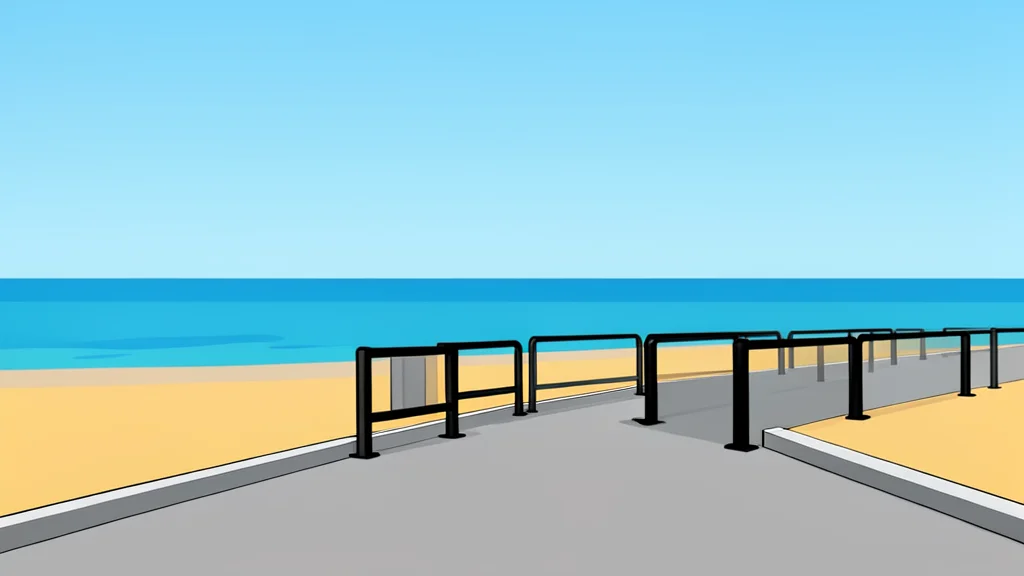
Moscow claims hundreds of drones were intercepted across multiple regions while Russia held parliamentary elections, with Sochi briefly closing beach access due to security threats.
Russia’s Defense Ministry reported that 344 Ukrainian drones were shot down over 16 regions and the Black Sea on September 19. The incident occurred during the first three-day voting period for the State Duma, the lower house of parliament, since the start of the full-scale war. Ukrainian authorities have not yet commented on the reported strikes.
According to Kyiv Independent, the targeted areas included Moscow and several oblasts in western Russia, as well as distant territories like Yamalo-Nenets and Dagestan. The timing of the attacks coincided with a significant political milestone in Moscow, prompting questions about the strategic intent behind the operations.
Coastal security measures in Sochi
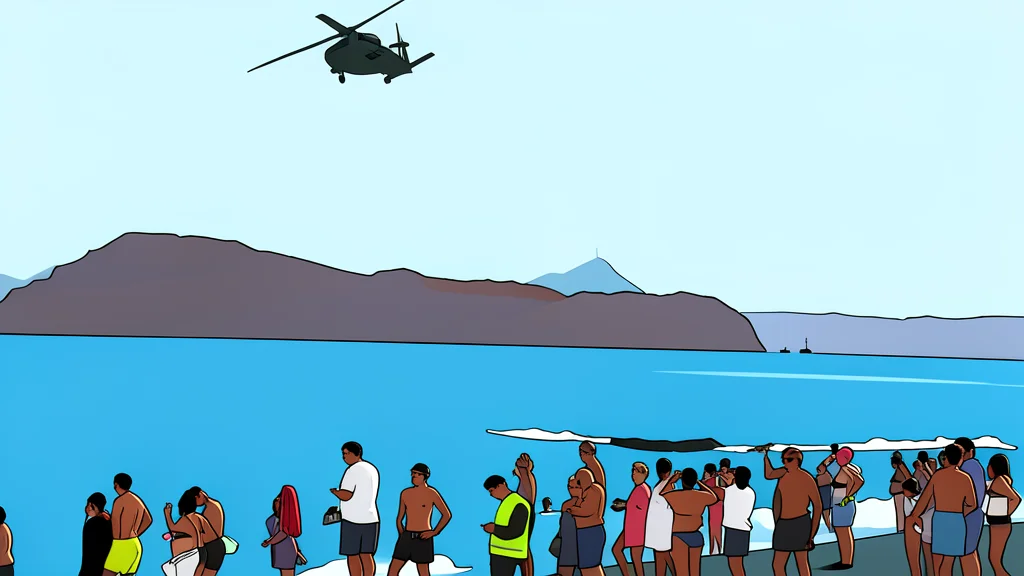
City officials in Sochi temporarily restricted access to beaches and waterfronts on September 19. Mayor Andrey Proshunin stated that the closures were a precaution against a potential sea drone attack. Security personnel used loudspeakers to alert residents to the threat, marking another instance of disruption in the Black Sea resort.
Sochi has faced increased pressure from Ukrainian drone operations over the past year, including reported strikes on its port and an oil depot in September. Located approximately 650 to 700 kilometers from the Ukrainian border, the city’s vulnerability has become a recurring issue for local authorities managing public safety.
Election day disruptions and voting
Polling stations in Sochi were closed on the first day of elections, September 18, amid reported drone threats. This suspension of voting services added to the logistical challenges faced by election officials. The broader context of the three-day vote highlights the intersection of military activity and domestic political processes in Russia.
Strategic implications of the strikes
The geographic spread of the reported attacks, from western border regions to the Arctic and the Caucasus, suggests a wide-ranging operational capability. Analysts note that the timing during a national election may be intended to signal resilience or exert psychological pressure. The lack of immediate confirmation from Kyiv leaves the precise scope and success of the missions open to interpretation.
Observers will watch for further official responses from both governments and any subsequent changes in security protocols in targeted cities. The interplay between the war effort and Russia’s domestic political calendar remains a critical area of focus for understanding the current trajectory of the conflict.