NATO Pivots to Comprehensive Air Defense Against Rising Drone Threats
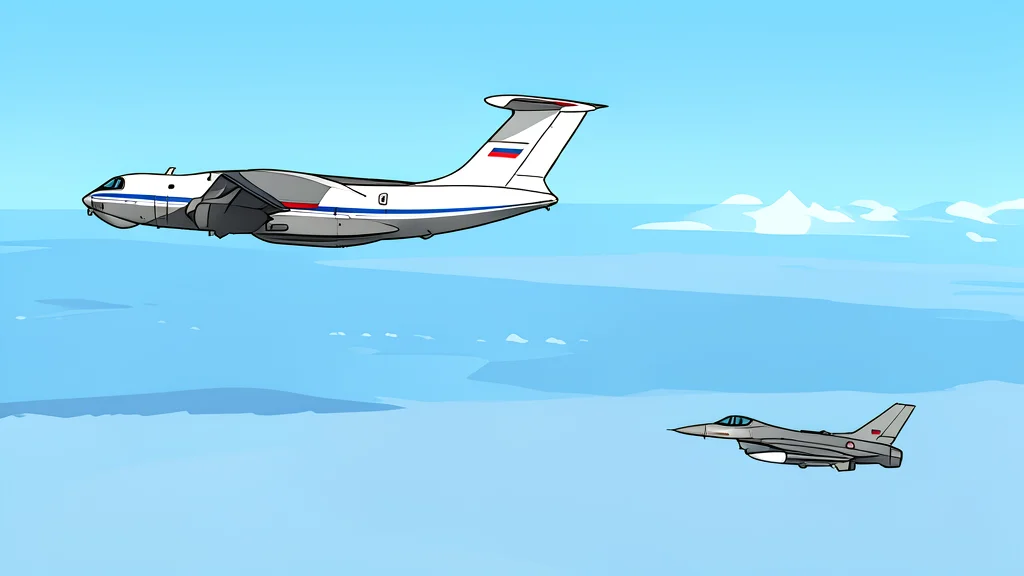
Alliance officials confirm a strategic shift from traditional fighter scrambles to a multi-layered system addressing all-domain threats.
NATO is fundamentally reconfiguring its air defense posture across Europe, moving away from a reliance on traditional air policing missions toward a comprehensive, 360-degree strategy. According to an alliance official speaking to Business Insider, this transition marks a significant evolution in how the alliance responds to an increasingly complex threat environment. The new framework is designed to address not just crewed aircraft, but also the growing number of drones, cruise missiles, and ballistic missiles that have tested allied airspace in recent months.
This strategic adjustment follows a sharp increase in unauthorized incursions, particularly by Russian drones, into the airspace of Baltic states, Finland, and Romania. While the alliance has historically relied on Quick Reaction Alert missions to scramble fighter jets within minutes, officials state that this reactive measure is no longer sufficient. The revised approach integrates surface-based air defense systems, counter-drone mobile teams, and next-generation sensors under unified NATO command, creating a layered shield that operates across all operational domains.
Historical Context of Air Policing
The air policing framework, established in the 1960s during the Cold War, was originally designed to monitor and intercept potentially hostile crewed aircraft. For decades, this model served as the backbone of European airspace security, with fighters maintaining a high state of readiness to launch quickly. However, the nature of modern threats has outpaced this Cold War-era design. The current focus on multi-domain integration reflects a recognition that modern warfare involves asymmetric tactics that traditional air superiority assets alone cannot effectively neutralize.
Recent Incursions Drive Strategic Change
The shift toward a more robust defense posture accelerated roughly a year ago after nearly two dozen Russian drones crossed into Polish airspace, marking the largest spillover of the war in Ukraine into NATO territory. In response, the alliance launched the Eastern Sentry operation, surging assets to the eastern flank to deter future violations. NATO Secretary General Mark Rutte has described Russia’s actions as increasingly reckless, noting a rise in hybrid attacks and sabotage incidents. These events have prompted a reevaluation of defensive protocols, with allies now implementing capabilities to support a more proactive and integrated defense network.
Future Challenges in Allied Defense
As the alliance implements these new capabilities, attention turns to the effectiveness of counter-drone technologies and the coordination of sensor networks across member states. The upcoming focus will likely be on the operational readiness of mobile firing teams and the integration of allied sensors into the central command structure. Observers will watch closely to see how this 360-degree approach performs in real-world scenarios, particularly if further incursions occur along the eastern border or if hybrid threats escalate in other regions of the alliance.