Mexican Cartel Leadership Shifts Amid Ongoing Conflict

The removal of top cartel leaders has not diminished their operational capacity, as organizations adapt their strategies and intensify rivalries over territory in a shifting security landscape.
The killing of Nemesio Oseguera Cervantes, the head of the Jalisco New Generation Cartel, was expected by many to fracture the organization. However, federal officials indicate that the group has maintained its cohesion and even expanded its reach in the months since the February shootout. Intelligence suggests that the vacuum left by the leader’s death has been filled by a younger figure who has rapidly consolidated power within the group’s hierarchy.
According to the DEA, this new leadership structure has not weakened the cartel’s resolve. Instead, the organization continues to pursue aggressive expansion into territories traditionally held by rivals. The transition of power appears to have been managed with a degree of stability that defies the usual expectation of internal chaos following the neutralization of a top figure. This resilience underscores the depth of the networks and the institutional memory that allow these groups to survive significant setbacks.
Emergence of a New Command Structure
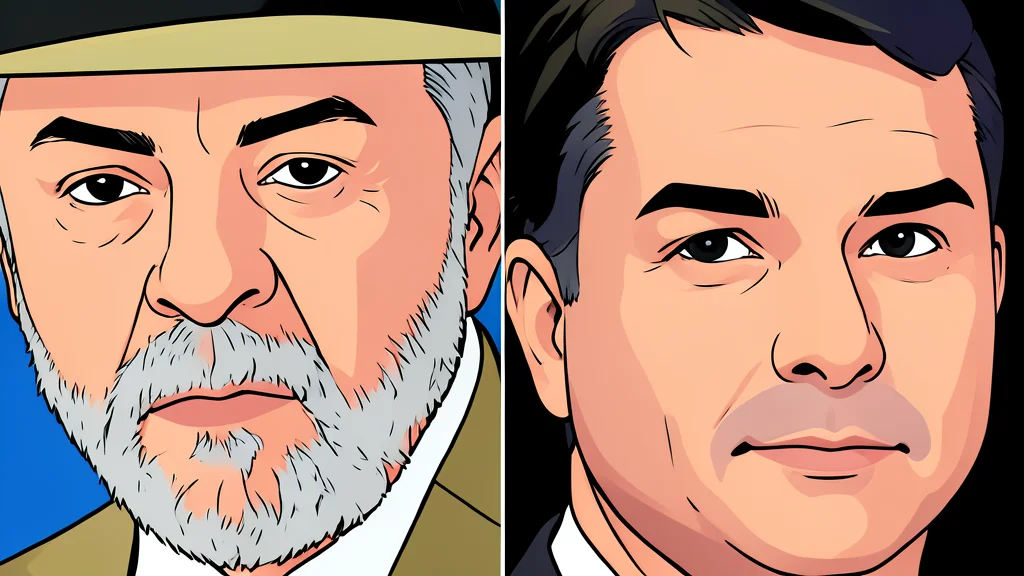
Juan Carlos Valencia González, a dual citizen born in California, has emerged as the primary target for U.S. law enforcement. Known by the alias El Pelon, he is described by DEA Associate Administrator Gary Owen as the individual who has effectively taken over operations. The agency has elevated him to its top priority, citing intelligence that confirms his central role in the cartel’s current strategic direction and operational control.
This leadership change coincides with a broader contest for dominance in Mexico. The Jalisco New Generation Cartel is reportedly making significant inroads into areas long controlled by the Sinaloa Cartel. While both groups are engaged in a fierce rivalry, they also coordinate their movements to avoid detection by local and federal forces. This dual focus on internal expansion and external evasion highlights the complex dynamics at play in the current security environment.
The Sinaloa Cartel itself faces a parallel leadership challenge. With both co-founders serving life sentences in the United States, the organization is now largely directed by the sons of Joaquín Guzmán. Two of these figures remain at large, each with a substantial bounty on their heads. This parallel situation of leadership transition in both major cartels suggests a period of flux that may lead to increased volatility as new hierarchies are established and contested.
Adaptive Tactics in Drug Trafficking
Despite high-profile arrests and targeted operations, the cartels have demonstrated a remarkable ability to adapt their methods. According to DEA Administrator Terry Cole, these groups closely study criminal cases brought against them in U.S. courts to identify vulnerabilities. They then adjust their operations to avoid repeating past mistakes, employing sophisticated techniques to maintain their supply chains.
The primary focus of U.S. enforcement efforts remains the disruption of fentanyl trafficking. While agencies have made progress in reducing the availability of precursor chemicals, cartel networks continue to evolve. They utilize mobile laboratories, encrypted communications, and cryptocurrency to obscure their financial flows and operational details. This adaptability ensures that even when specific leaders are removed, the underlying infrastructure for trafficking remains functional and responsive.
Broader Implications for Regional Security
The financial operations of these organizations extend well beyond the trafficking of illicit drugs. According to officials, their revenue streams include cocaine, methamphetamine, and marijuana, as well as human trafficking, fuel theft, and various forms of fraud. This diversification provides a buffer against enforcement actions targeting specific drug routes, allowing the groups to sustain their operations and fund further expansion.
The geopolitical implications of these shifts are significant for both Mexico and the United States. The ability of these groups to leverage corruption and maintain operational continuity poses a persistent challenge to law enforcement agencies. As the leadership structures of both major cartels continue to evolve, the landscape of transnational crime remains fluid and complex. Observers will likely watch for signs of further territorial incursions or changes in trafficking patterns as the new leadership tests the limits of its authority and the resilience of its networks.