Poland Frames Border Strikes as Critical NATO Test
Warsaw warns that recent Russian attacks near the border are part of a broader strategy to strain Western defenses during a potentially decisive winter phase.
Polish officials have characterized recent Russian strikes near the shared border as a deliberate test of NATO’s cohesion and readiness. Deputy Defense Minister Cezary Tomczyk stated to TVN24 that these actions are designed to hinder the flow of military aid to Ukraine while simultaneously probing the limits of allied support. According to Tomczyk, the current period marks a critical phase in the conflict, with Russia potentially seeking to exploit the winter months to shift the strategic balance in its favor.
The Polish government argues that these incidents extend beyond the immediate front lines, representing a broader confrontation with Western institutions. Tomczyk emphasized that Warsaw remains confident in the durability of its alliance with the United States, viewing American engagement as a stabilizing factor amidst escalating regional tensions. The focus is shifting from immediate tactical responses to a long-term assessment of how NATO can maintain pressure on Russian capabilities without triggering wider escalation.
Hybrid tactics along the border
Intelligence assessments cited by Polish authorities suggest that Russia is preparing for an expansion of hybrid warfare tactics in Europe. According to Tomczyk, these scenarios include potential acts of sabotage and various provocations in border regions, a trend he noted has already been observed in Germany. The deputy minister described these activities as unprecedented in scale, warning that actions in areas such as the Baltic states or other NATO borders could escalate into more serious conflicts if not carefully managed.
While acknowledging the seriousness of these threats, Tomczyk cautioned against sensationalizing the narrative. He stressed that the Polish defense establishment is monitoring these developments with a focus on concrete evidence and operational readiness. The emphasis is on distinguishing between isolated incidents and systematic campaigns of disruption that aim to undermine public confidence and political will among allied nations.
Recent incidents near the frontier
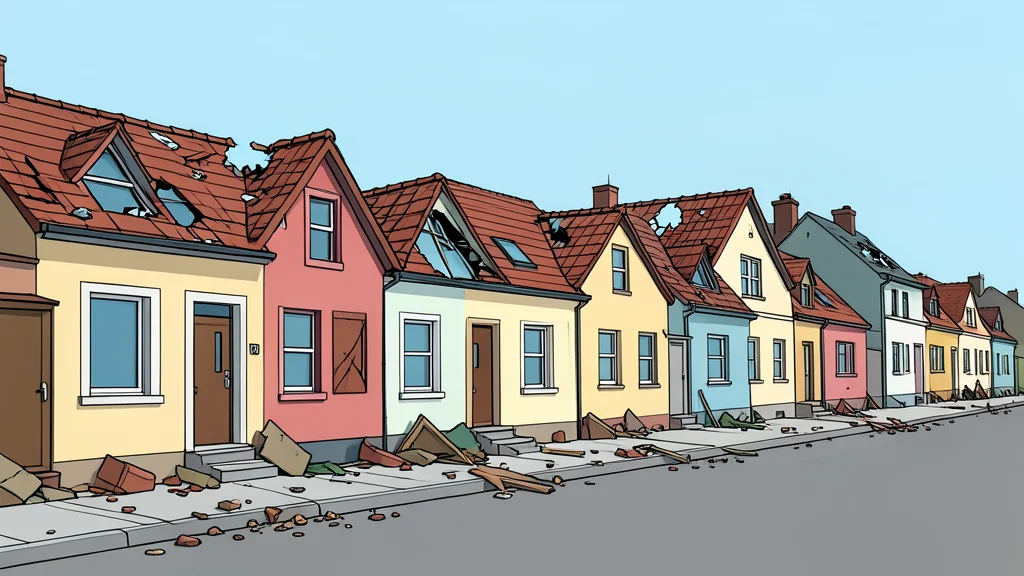
Specific incidents have underscored the proximity of these threats to Polish territory. On September 13, a drone reportedly struck a truck approximately 800 meters from the Polish border near the Yagodin crossing point. On the same day, a locomotive of a passenger train traveling to Warsaw was also struck near the border. Prime Minister Donald Tusk has indicated that the intensity of such strikes may increase significantly in the coming weeks, prompting a heightened state of alert along the frontier.
Assessing the winter strategic outlook
Strategists associated with the GN geopolitics/nato desk note that the winter season often serves as a litmus test for logistical resilience and political commitment. With Ukraine requiring maximum support to withstand aerial attacks, the ability of Western allies to sustain aid flows becomes a central metric of alliance effectiveness. The coming months will likely reveal whether NATO can maintain a consistent response to Russian provocations without being drawn into a wider direct confrontation.
The forward-looking question for observers is how effectively allied nations can coordinate their defensive postures while managing the risk of miscalculation. As the geopolitical landscape evolves, the focus remains on maintaining clear communication channels and robust deterrence measures to prevent localized incidents from spiraling into broader regional instability. The stability of the eastern flank will depend heavily on the next set of diplomatic and military signals exchanged between Warsaw, Washington, and Moscow.