Poland Warns of Potential Russian Accidental Strikes on NATO
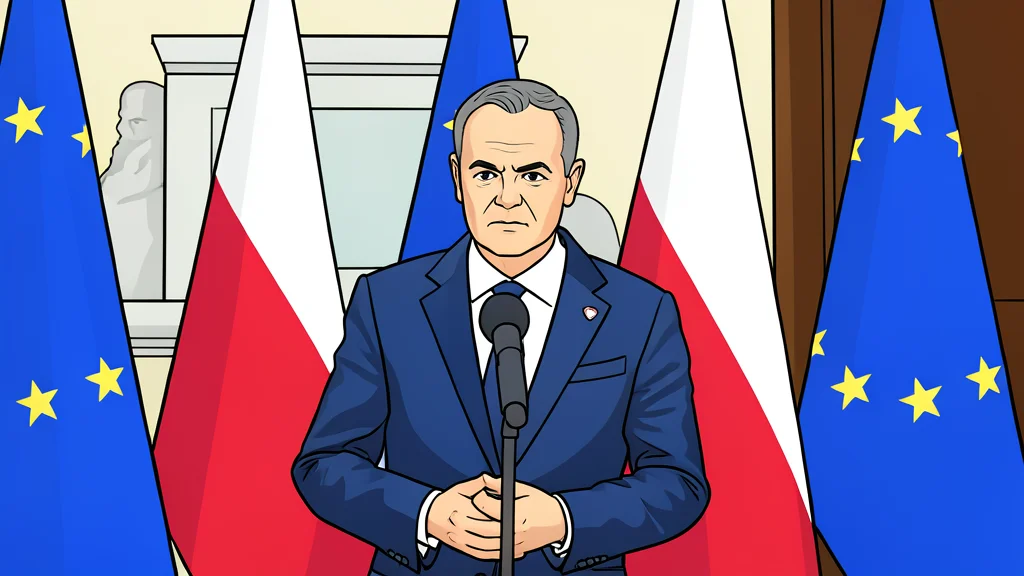
Warsaw officials cite intelligence reports suggesting Moscow may use hybrid tactics to test alliance cohesion on the eastern flank.
Polish Prime Minister Donald Tusk has issued a stark warning that Russia may attempt to stage attacks on NATO’s eastern flank, framing them as accidental incidents to test the alliance’s resolve. Speaking to parliament, Tusk indicated that intelligence assessments suggest Moscow is preparing hybrid drone and missile strikes aimed at countries supporting Ukraine, with Poland specifically identified as a potential target. The premier emphasized that while such scenarios have been discussed previously, recent information has become increasingly consistent and convincing.
The assessment, which Tusk stated was shared by CIA Director John Ratcliffe, highlights a strategic concern that Russia seeks to trigger a crisis without crossing the threshold for a direct declaration of war. By attributing strikes to technical failures or navigation errors, Moscow could potentially force NATO into a dilemma: respond militarily and risk escalation, or remain passive and undermine the credibility of its collective defense guarantee. This approach would effectively put Article 5 to the test under ambiguous circumstances.
Intelligence Context for Eastern Flank
According to reports from GN geopolitics/nato, the warning comes at a time of heightened tension near the Polish border. Tusk noted that the intelligence community has observed preparations for hybrid operations designed to blur the line between conflict and accident. The premier did not specify which national intelligence services contributed to the assessment, but the convergence of data points suggests a coordinated effort by Moscow to exploit ambiguities in international law and alliance protocols.
Immediate Military Posture in Region
The political warning coincided with tangible military movements in the region. On Thursday, Polish fighter jets were scrambled in response to Russian strikes on western Ukraine that occurred in proximity to the Polish border. The Polish military confirmed that its national airspace was not breached during these incidents, but the deployment underscores the heightened state of readiness along the NATO eastern flank. The simultaneous occurrence of diplomatic warnings and kinetic operations highlights the complex security environment facing member states.
Strategic Implications for Alliance Cohesion
The risk of an 'accidental' strike poses a significant challenge to NATO’s unity. If an incident occurs, the alliance will need to determine quickly whether it constitutes an act of war or a deliberate provocation requiring a non-kinetic response. Tusk’s public acknowledgment of these risks serves both as a warning to Moscow and a signal to allies that Poland is prepared for heightened volatility. The coming weeks will likely see increased coordination among eastern flank members to clarify rules of engagement and communication channels.
Observers will now watch for any further escalation in rhetoric or military activity along the border. The focus will remain on how NATO member states respond to future incidents, particularly if they are framed by Russian officials as unintended. The ability of the alliance to maintain a unified stance while managing the risk of inadvertent war will be the critical factor in determining the stability of the region in the near term.