Retired General Claims NATO Is Already Engaged in Conflict
A former NORAD commander asserts that the alliance is technically at war with Russia, while admitting a ten-year gap in defensive readiness.
Retired Canadian Air Force Major General Scott Clancy has offered a stark assessment of the current security landscape, stating that NATO is effectively already engaged in an armed confrontation with Russia. Clancy, who previously served as Director of Operations at the North American Aerospace Defense Command, argues that the alliance is currently in a state of conflict but is deliberately avoiding the designation of open war. He suggests that this strategic ambiguity exists because the member states are not yet prepared for the full scale of a direct, large-scale military engagement.
According to reports from the online media outlet Ukrinform, Clancy’s position diverges from many other experts who characterize the current situation as a hybrid threat rather than active warfare. The general contends that the avoidance of an open declaration is a tactical choice driven by capability gaps rather than a lack of political will. This perspective aligns with broader concerns within the defense sector regarding the sustainability of current support structures and the readiness of allied forces to handle potential escalations in the coming years.
Canada Faces Significant Defense Gaps
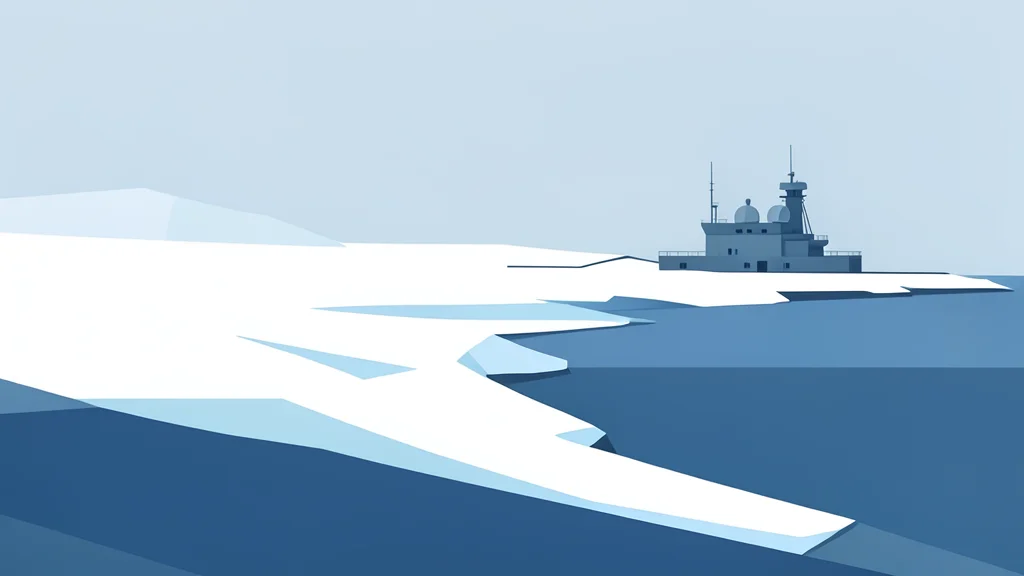
Clancy specifically highlighted Canada’s vulnerabilities, noting that the country is unprepared for a large-scale confrontation in key areas such as Arctic defense, coastal protection, and aviation. He estimated that it would require roughly another decade for Canada to build the necessary capabilities, a timeline that includes the complex process of rebuilding supply chains and revitalizing the defense-industrial base. This assessment underscores a significant gap between current operational capacity and the requirements of a potential direct conflict with a major power.
Despite these acknowledged shortcomings, the Canadian government is moving to strengthen its northern infrastructure. Plans have been outlined to allocate approximately 32 billion Canadian dollars, or 25 billion US dollars, for the modernization of four military bases in the north. These investments aim to address the specific defensive weaknesses identified by Clancy, focusing on enhancing surveillance and rapid response capabilities in regions that are increasingly viewed as critical theaters of geopolitical competition.
Broader Alliance Readiness Challenges
The former general’s comments suggest that Canada’s situation is not unique, implying that many other NATO members face similar readiness issues. According to Clancy, the alliance as a whole is currently unprepared for a direct, large-scale conflict with Russia. This view is supported by recent developments, including reports of potential threats to infrastructure in European nations, which signal that the security environment is becoming more volatile. The need for sustained investment and industrial modernization is therefore seen as a critical priority for maintaining deterrence.
Strategic Implications for the Arctic
The focus on Arctic defense is particularly significant as the region becomes a focal point for military activity and resource competition. Recent agreements, such as Canada’s approval to purchase German-Norwegian submarines, reflect a broader trend of strengthening trilateral defense ties and enhancing maritime surveillance in the North Atlantic and Arctic sectors. These moves indicate a shift toward more integrated and robust defensive postures, aimed at countering emerging threats and ensuring the security of critical maritime routes and strategic assets.
As the geopolitical landscape continues to evolve, the statements from senior military figures like Clancy serve as a reminder of the complex challenges facing NATO. The balance between avoiding direct escalation and maintaining credible deterrence remains a delicate task, requiring careful coordination and significant long-term investment. The coming decade will likely be defined by the extent to which allied nations can close these capability gaps and adapt to an increasingly confrontatory international environment.