Serbia Ignores UN Monitor on Seselj Contempt Case
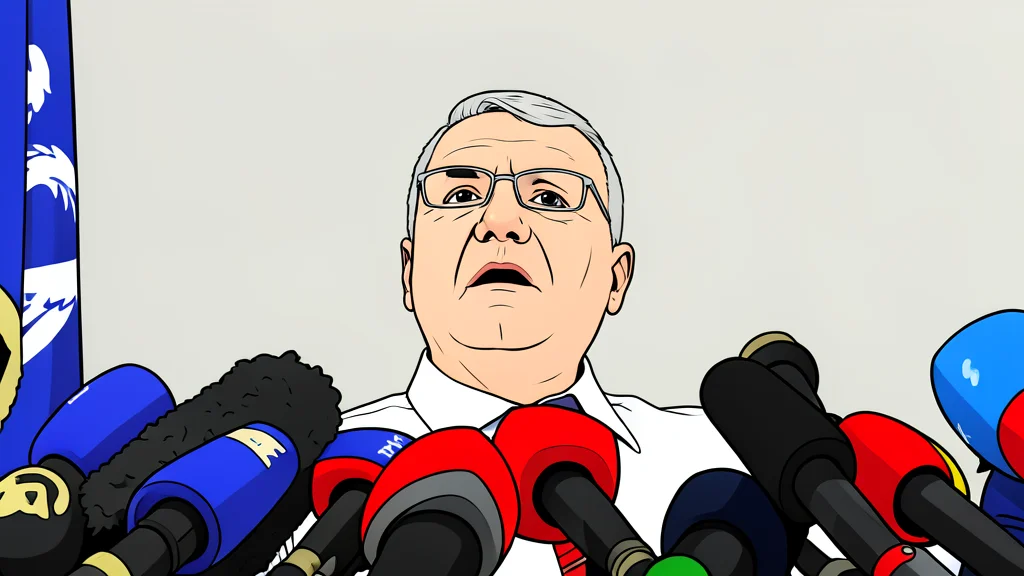
The UN tribunal monitor reports no responses from Serbian authorities regarding the status of the transferred contempt-of-court case.
Key points
- UN monitor Dagmara Albrecht reports receiving no responses from the Serbian Ministry of Justice regarding the Seselj contempt case.
- The case was transferred to Serbia in 2024, but it remains stalled awaiting a preliminary opinion from the ministry.
- Separate contempt proceedings against Seselj and associates for pressuring witnesses continue in The Hague.
The monitor appointed by the United Nations to oversee the transfer of the Vojislav Seselj contempt-of-court case to Serbia has reported a complete lack of communication from Belgrade. According to Dagmara Albrecht, who is responsible for tracking progress under the International Residual Mechanism for Criminal Tribunals, her numerous inquiries to the Serbian Ministry of Justice have gone unanswered since the case was handed over in 2024.
In her latest report to the tribunal, Albrecht stated that she has not received any new information regarding the status of the proceedings against Seselj and four of his party members. This silence follows a previous report in May, where she noted that despite promises from the ministry to provide updates, her emails remained ignored. The situation suggests that the judicial process may be stalled, with the case reportedly still awaiting a preliminary opinion from the Serbian authorities.
Judicial Stagnation in Transferred Proceedings
The International Residual Mechanism for Criminal Tribunals transferred the contempt-of-court case to Serbia in 2024, determining that conditions were adequate for the proceedings to be processed domestically. However, the lack of engagement from the Serbian Justice Ministry has raised concerns about the effective implementation of this transfer. Albrecht’s reports indicate that the case has not moved forward since the initial handover, leaving the legal status of the defendants in limbo.
According to Balkan Insight, the monitor’s findings highlight a disconnect between the UN tribunal’s expectations and the actions of the receiving state. The failure to respond to basic inquiries about the case status undermines the transparency required for such international judicial transfers. This lack of cooperation complicates the oversight role of the monitor and raises questions about the commitment to completing the legal process.
Background on Seselj Contempt Charges
The case involves Seselj, the leader of the Serbian Radical Party, and four colleagues: Miljan Damjanovic, Miroljub Ignjatovic, Ljiljana Mihajlovic, and Ognjen Mihajlovic. The indictment alleges that they knowingly and wilfully interfered with the administration of justice during Seselj’s 15-year trial for wartime crimes. Specifically, they are charged with disclosing information in violation of court orders, including those designed to protect witnesses, and failing to comply with orders to cease publishing confidential material.
Seselj has a prior conviction for inciting crimes through wartime speeches, having been sentenced to ten years in prison by the UN war crimes tribunal in 2018. He did not serve additional time because of the period he spent in custody prior to the verdict. His history with the tribunal includes multiple charges of contempt of court, including a 2011 conviction for revealing witness information in a book he authored.
Ongoing Proceedings in The Hague
Separate from the transferred contempt case, other proceedings against Seselj and his associates remain active in The Hague. In 2012, Seselj and Radical Party colleagues Vjerica Radeta and Petar Jojic were charged with pressurising witnesses using threats, blackmail, and bribes to alter their testimony or prevent them from testifying. The tribunal declined to transfer these specific proceedings to Serbia, meaning they continue under international jurisdiction.
The dual-track nature of the legal challenges facing Seselj illustrates the complexity of his judicial status. While the contempt-of-court case is ostensibly under Serbian jurisdiction, the lack of movement suggests a potential breakdown in the cooperative framework established by the UN tribunal. Observers are now watching for any signs of engagement from the Serbian Ministry of Justice or further reports from the monitor that might indicate a change in posture.