China Urges UN to Counter Evolving Global Terror Threats

During the 25th anniversary commemoration of the 2001 attacks, a Chinese diplomat urged the Security Council to address root causes and combat new technological risks.
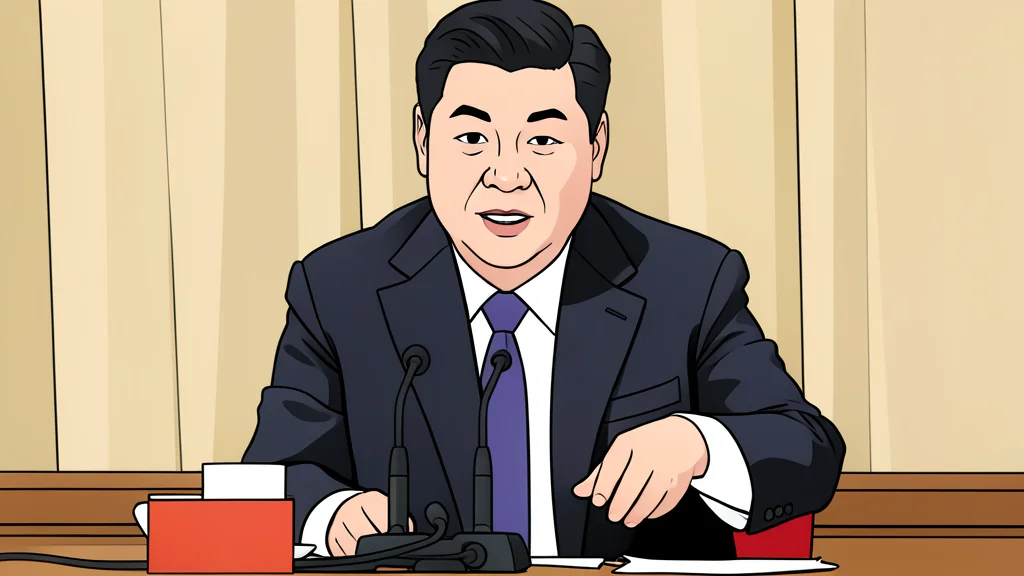
A Chinese representative addressed the United Nations Security Council on Friday, emphasizing the need for unified international action against terrorism. Speaking during a session that marked the 25th anniversary of the September 11 attacks in the United States, Sun Lei, the charge d'affaires of China's Permanent Mission to the UN, highlighted the persistent and evolving nature of the global threat. He noted that while progress has been made over the last quarter-century, the challenges have become more complex and fragmented.
According to the diplomat, modern terrorist activities are increasingly decentralized and exploit emerging technologies for harmful purposes. He warned that some nations are applying double standards in their counterterrorism efforts, which undermines collective security. Sun argued that the international community must move beyond reactive measures and instead foster a vision of common and sustainable security, with the United Nations playing a central coordinating role in these efforts.
Addressing Root Causes of Extremism
The representative stressed that effective counterterrorism strategies must address the underlying conditions that allow extremism to take hold. He identified underdevelopment, lack of education, and political instability as primary drivers of terrorist recruitment. Sun suggested that international aid should focus on economic development, livelihoods, and employment opportunities in affected regions to break the cycle of poverty and violence.
He further urged the Security Council to prioritize political solutions in conflict hotspots, advocating for dialogue and negotiation to resolve differences. This approach, he stated, is essential for eliminating the breeding grounds of terrorism. Additionally, he cautioned against linking terrorism to specific countries, ethnic groups, or religions, arguing that such associations can exacerbate tensions rather than resolve them.
Regulating Emerging Technological Risks
A significant portion of the address focused on the rapid advancement of technology and its dual-use potential. Sun Lei called for the refinement of regulatory frameworks to govern how emerging technologies are deployed. He emphasized the importance of using these tools to enhance early warning systems, monitoring capabilities, and operational responses to terrorist threats. According to the Chinese mission, this technological adaptation is crucial for staying ahead of groups that are seeking to restore their operational capabilities.
The diplomat also referenced specific organizations, including the Islamic State and the East Turkestan Islamic Movement, noting that they remain active and are waiting for opportunities to regroup. He asserted that combating these entities is an obligation for all member states, particularly those in regions where these groups have historical presence. China, he stated, remains committed to working with other nations to contribute to a world free from terrorism.
Diplomatic Stance on Global Cooperation
The remarks were reported by GN geopolitics/terror (en-US), which highlighted the diplomatic context of the statement. The speech reflects a broader push within the UN system to maintain multilateral cooperation despite geopolitical divisions. By framing terrorism as a common enemy of humanity, the Chinese envoy sought to rally support for a collective approach that balances security measures with developmental aid. This stance aligns with China's long-standing advocacy for multilateralism in international security affairs.
As the international community continues to grapple with the legacy of the 2001 attacks, the focus is shifting toward how best to manage new, technology-driven threats. The coming months will likely see further debate within the Security Council on how to implement these recommendations. Observers will watch closely for concrete steps toward regulatory frameworks for emerging technologies and increased coordination on development aid in conflict-affected areas.