BRICS Declaration Signals Diplomatic Shift Amid Regional Tensions

BRICS leaders have unanimously adopted a joint declaration emphasizing diplomacy and opposing unilateral sanctions, marking a significant resolution of previous internal bloc divisions.
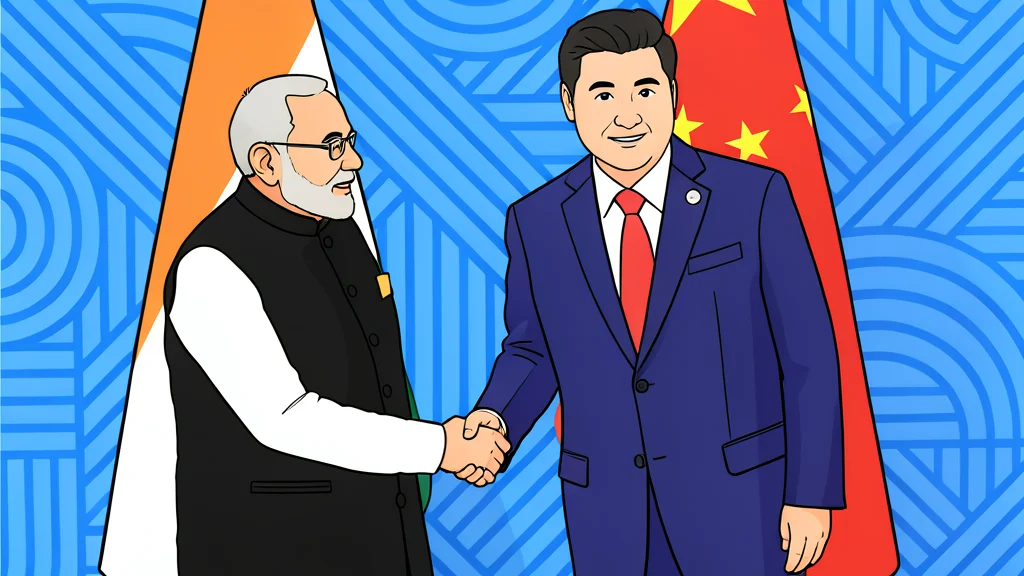
Leaders of the BRICS bloc unanimously adopted a joint declaration on Saturday that calls for the peaceful resolution of international conflicts through dialogue and consultation. According to Indian Prime Minister Narendra Modi, the statement explicitly opposes unilateral coercive measures and warns of the growing risks associated with nuclear proliferation. This consensus represents a notable diplomatic achievement for the group, which has previously struggled to maintain a unified front on contentious global issues.
The declaration also addresses economic concerns, expressing worry over tariffs and trade restrictions that are inconsistent with World Trade Organization rules. The bloc encouraged further work on cross-border payment mechanisms to foster financial independence among its members. This move underscores the group's ongoing effort to create alternative economic structures while navigating complex geopolitical landscapes.
Bridging Previous Diplomatic Divisions
According to the GN auto geopolitics/middle-east: Iran nuclear report, the adoption of this declaration marks a shift from earlier attempts at unity. At a foreign ministers' meeting in New Delhi in May, differences between Iran and the United Arab Emirates prevented the group from issuing a joint statement. The current agreement suggests that members have worked to bridge these gaps, avoiding the naming of specific countries in the text to maintain cohesion.
This diplomatic maneuvering occurs against a backdrop of heightened regional tensions. The recent fall of the Ali al-Taher heights in southern Lebanon has intensified internal debates within Iran regarding the effectiveness of the June agreement with the United States. Hardliners argue that the loss of this strategic position indicates that the agreement has failed to protect Iranian interests, leading to a critical reassessment of recent diplomatic strategies.
Internal Debate Over June Agreement
The controversy centers on the inclusion of Lebanon in the June 28 agreement, which both sides had hailed as a mechanism to protect the Lebanese front. However, Israeli operations in the region have continued, leading critics to accuse Iranian negotiators of abandoning their allies. Mohammad-Bagher Ghalibaf, the parliament speaker and chief negotiator, has faced increasing pressure for his role in finalizing the deal, with opponents labeling the outcome a betrayal of regional commitments.
Media reports indicate that the dispute has become a focal point for domestic polarization. Reformist dailies have warned against using the situation for political score-settling, urging a focus on the realities on the ground rather than internal blame. This internal friction highlights the challenges Iran faces in balancing its foreign policy objectives with domestic political pressures.
Implications for Regional Stability
As the BRICS bloc moves forward with its new declaration, the internal dynamics of its member states will likely continue to influence global diplomatic outcomes. The ability of the group to maintain unity despite differing national interests will be a key factor in its future relevance. Observers will be watching closely to see if the bloc can sustain its diplomatic momentum and effectively address the underlying tensions that threaten regional stability.