Turkey Detains Dozens in Sweeping Crackdown on LGBTQI+ Groups
Coordinated raids across fifteen provinces have led to the detention of over eighty individuals, prompting international condemnation and protests outside Turkish embassies.
Turkey has moved to jail at least eighty-two people pending trial as a broad crackdown on LGBTQI+ organizations expands across the country. According to reports from GN geopolitics/rights (en-US), the operations began on Saturday with coordinated police raids targeting nine groups, clubs, cafes, and private homes. By Thursday, courts in multiple provinces had issued detention orders for these individuals, who include activists, rights group members, and others accused of unrelated offenses such as drug possession or prostitution.
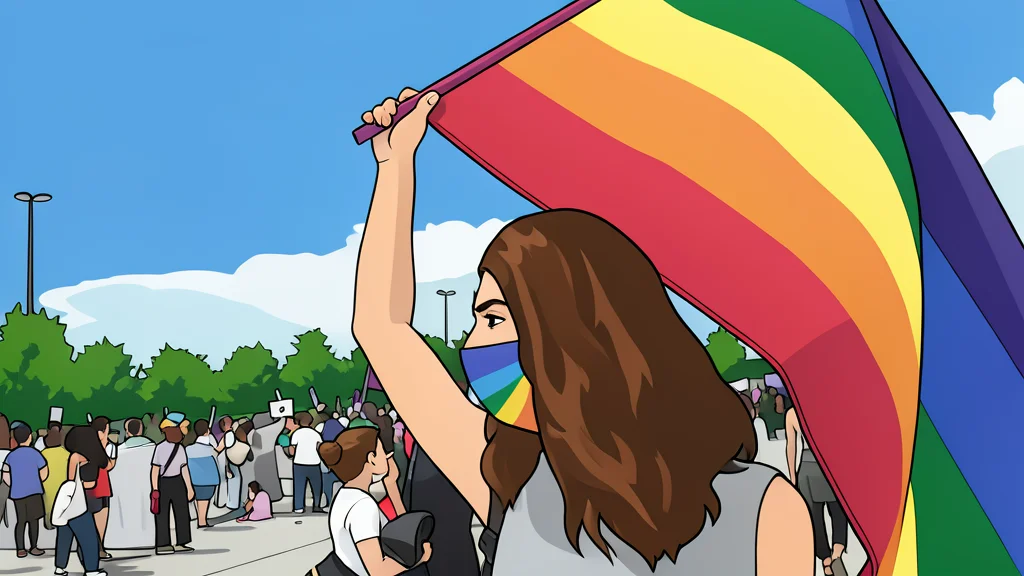
The scale of the detentions has drawn sharp criticism from the United Nations human rights office, which called on Ankara to uphold rights without discrimination and to release those arbitrarily detained. The diplomatic backlash was mirrored on the streets, with protests held outside Turkish embassies in Paris, Brussels, London, Oslo, and Washington. Domestic demonstrations also erupted near Istanbul’s main courthouse, where police dispersed crowds and briefly detained more than one hundred people, including journalists, before releasing them.
Legal charges cite obscenity laws
While homosexuality has been legal since the foundation of the Turkish republic in 1923, authorities are increasingly relying on obscenity statutes to justify the arrests. Yildiz Tar of the Ankara-based news portal KAOS GL explained that board members were detained for allegedly publishing obscene content, citing a single image of two women kissing as the specific trigger. This legal approach has led some observers to draw parallels with anti-LGBTQI+ measures seen in Russia and Egypt, where similar propaganda laws have been used to suppress community visibility.
Justice Minister Akin Gurlek defended the operations, stating that no illegal activity targeting children, youth, or families would be tolerated. However, community representatives argue that the actions go far beyond criminal enforcement. A representative from the Istanbul-based psychological support group SPoD noted that while some form of state action was anticipated, the violence and unlawful nature of the raids were not. The representative expressed deep uncertainty about the future, fearing an informal criminalization of the community that would extend well beyond the current legal cases.
Solidarity movements gain momentum
Despite the pressure, a visible wave of solidarity has emerged within Turkey. Protesters gathered at the courthouse to demand support for their peers, with one participant, identified only as Ayse, stating that the LGBTQI+ community is not alone. Her sentiment was echoed by Ozgul Saki, a parliamentarian from the opposition DEM Party, who remained at the protest site under the protection of parliamentary immunity. Saki characterized the crackdown as an attempt to compress societal diversity into a single, state-defined identity, arguing that the state is trying to build a society that excludes those who do not conform to its ideological norms.
Uncertainty looms over future rights
The immediate aftermath of the raids has left many in the community feeling isolated and vulnerable. The detention of key organizational figures has disrupted support networks and advocacy efforts, creating a climate of fear that extends beyond the legal proceedings. As the cases move through the judicial system, the focus shifts to how courts will rule on the obscenity charges and whether the state will continue to use broad legal interpretations to limit civil liberties. The coming weeks will likely reveal the extent of the government’s commitment to these restrictive measures and the resilience of the civil society groups challenging them.