U.S. Troop Shifts in Romania Signal Complex NATO Future

Recent military adjustments in Romania illustrate the tension between Washington's strategic retrenchment and Europe's growing security responsibilities.
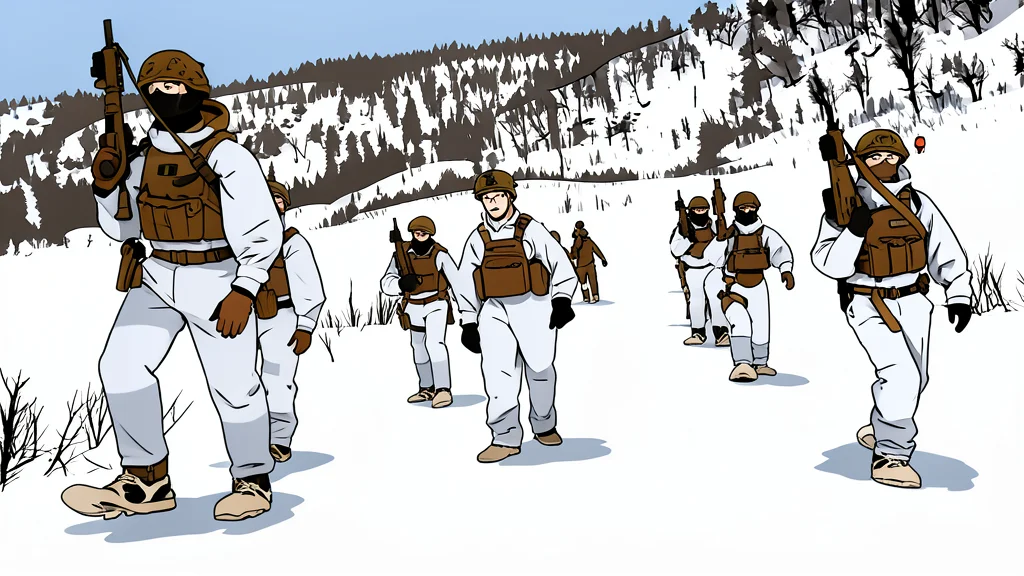
At Mihail Kogalniceanu Air Base in Romania, the streets are named after U.S. states and figures, a deliberate nod to the long-standing partnership between Washington and Bucharest. However, this symbolic integration has been tested by recent operational shifts. According to reports from GN geopolitics/nato, approximately half of the two thousand American personnel stationed at the base departed over the past year. This reduction aligns with a broader realignment of U.S. military assets under the current administration, signaling a significant recalibration of the alliance's eastern flank.
The departure of personnel has heightened concerns in a region where security threats remain acute. Romania borders Ukraine, and the base sits on NATO's eastern edge, a location frequently exposed to incursions by Russian drones. The reduction in permanent U.S. presence has created a sense of alarm among local officials who view the base as a critical pillar of regional stability. Yet, the situation is not one of outright abandonment. The base continues to host active U.S. assets, suggesting that while the nature of the commitment is changing, the physical infrastructure remains a vital component of collective defense.
Operational Continuity Amidst Strategic Shifts
Despite the personnel reductions, recent activity at the base suggests a complex reality. In July, nine KC-135 Stratotankers were parked on the tarmac, deployed to refuel American jets and bombers during operations in Iran. According to GN geopolitics/nato, these temporary deployments partially offset the earlier troop departures. This indicates that Washington still relies heavily on European infrastructure for its global power projection. The presence of these aircraft serves as a reminder that the U.S. remains deeply integrated into NATO's operational framework, even as the permanent footprint shrinks.
European Burden Sharing Under Pressure
The shifting balance of responsibilities is forcing European nations to confront their own defense capabilities. As the United States pursues a more selective engagement strategy, allies are increasingly expected to shoulder a larger share of the security burden. This transition is not merely a logistical adjustment but a fundamental test of the alliance's cohesion. European governments must determine how to fill the gaps left by reduced American presence while maintaining the deterrent posture necessary to counter regional threats. The outcome of this process will likely shape the future architecture of European defense.
The situation in Romania serves as a microcosm of the broader geopolitical adjustments underway. It highlights the tension between strategic autonomy and interdependence. While the U.S. seeks to reduce its forward-deployed forces, it continues to utilize European bases for critical missions. This dual approach creates uncertainty for allies who are trying to plan their long-term security strategies. The coming months will be crucial in determining whether this reshaping leads to a more resilient and self-sufficient European defense structure or to growing fractures within the alliance.