Ukraine Steel Output Halts as Russia Claims Military Links
Russia and Ukraine trade accusations over strikes that halted 90% of national steel production, with Kyiv citing civilian damage.
Key points
- Strikes halted three plants responsible for 90% of Ukraine's steel output, causing a sector-wide shutdown.
- Russia claims the mills supplied military armor, while operator Metinvest insists production was strictly civilian.
- Ukraine estimates $1.5 billion in lost tax revenue and reports 17 deaths among plant workers since August.
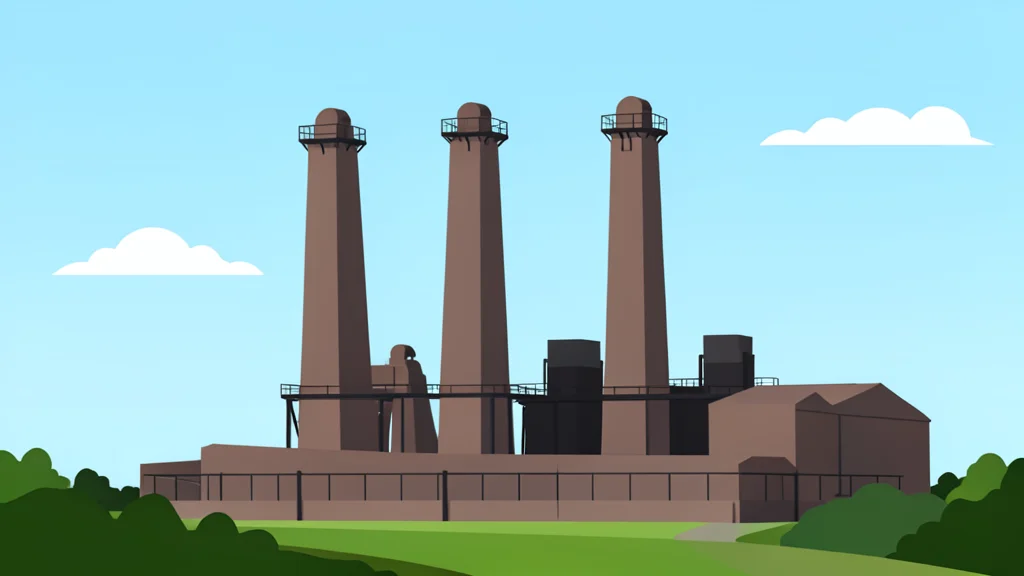
A series of ballistic missile strikes in August and early September has effectively suspended Ukraine’s steel sector, according to The SOFX Report. The attacks idled three major plants that collectively produced approximately 90% of the country's national steel output, marking a significant industrial disruption.
Moscow and Kyiv offer sharply conflicting accounts of the incidents. Russia’s Ministry of Defense asserts that the targeted facilities produced armor plate and components for the defense industry, while the operator, Metinvest, maintains that the plants served strictly civilian markets such as automotive and household goods.
Conflicting Narratives on Target Legitimacy
Russian officials stated that Zaporizhstal supplied flat-rolled steel for body armor and vehicle plating, while the plants in Kryvyi Rih and Kamianske provided cast iron to the defense sector. Conversely, Metinvest executives rejected these claims, describing the output as pig iron and rolled steel for pipes and appliances, with no military production on-site.
Oleksandr Myronenko, the group's Chief Operating Officer, characterized the repeated strikes on already damaged facilities as a deliberate strategy to prevent repairs and dismantle Ukraine’s industrial base. He noted that the specific targeting of blast furnaces suggests an intent to cause long-term structural damage rather than short-term tactical disruption.
Human Toll and Financial Impact
The strikes have resulted in significant casualties among workers and contractors moving to shelters during alerts. According to company data, seventeen people have been killed across the three plants since August, including seven employees at Zaporizhstal during an attack attributed to North Korean missiles.
The financial consequences are severe, with Prime Minister Serhii Koretskyi estimating a loss of approximately $1.5 billion in tax revenue. Zaporizhstal reported a net loss of 1.06 billion hryvnia in the first half of 2026, a sharp reversal from the profit recorded in the same period last year.
Escalation and Strategic Responses
In response to the campaign, President Volodymyr Zelensky approved new long-range operations on September 20. Ukrainian officials announced that these strikes targeted Russian oil infrastructure and logistics facilities, aiming to disrupt the economic sustenance of the war effort.
Meteinvest has reported that Russia has fired seventeen ballistic missiles at Zaporizhstal since August, with the most recent attack on September 17 injuring one worker. The ongoing conflict between the two sides over the nature of these industrial sites remains a central point of contention in the broader geopolitical dispute.