Brics Summit in Delhi Balances Unity Against Deep Divisions
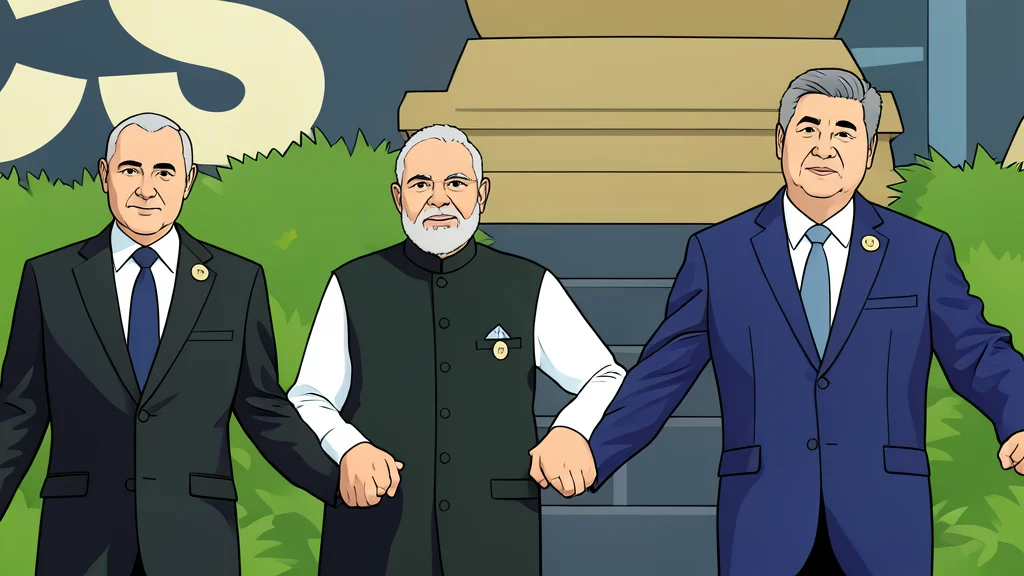
Leaders from five major economies convened in India to assert a new global role, yet the resulting declaration reveals significant internal fractures over key geopolitical conflicts.
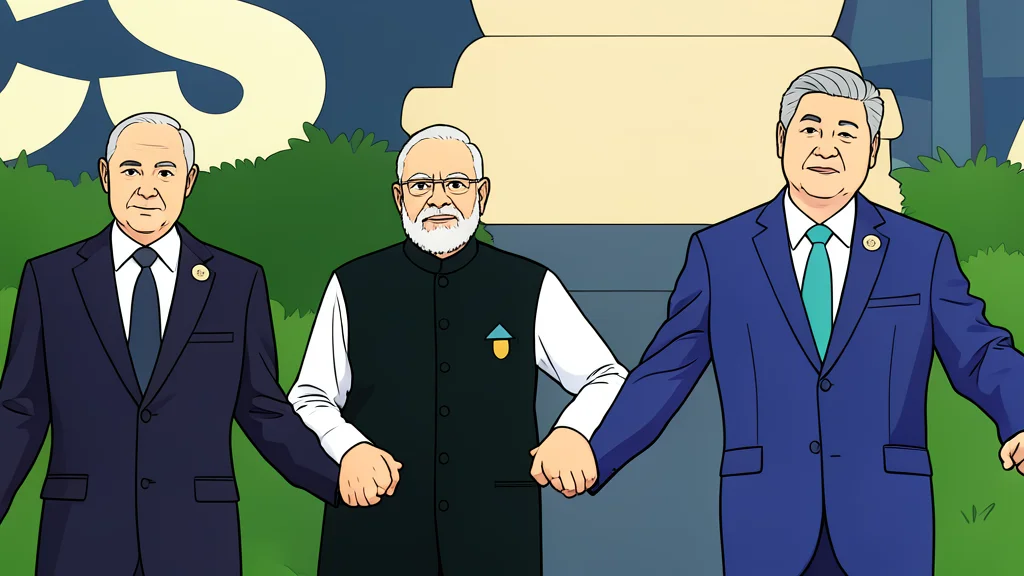
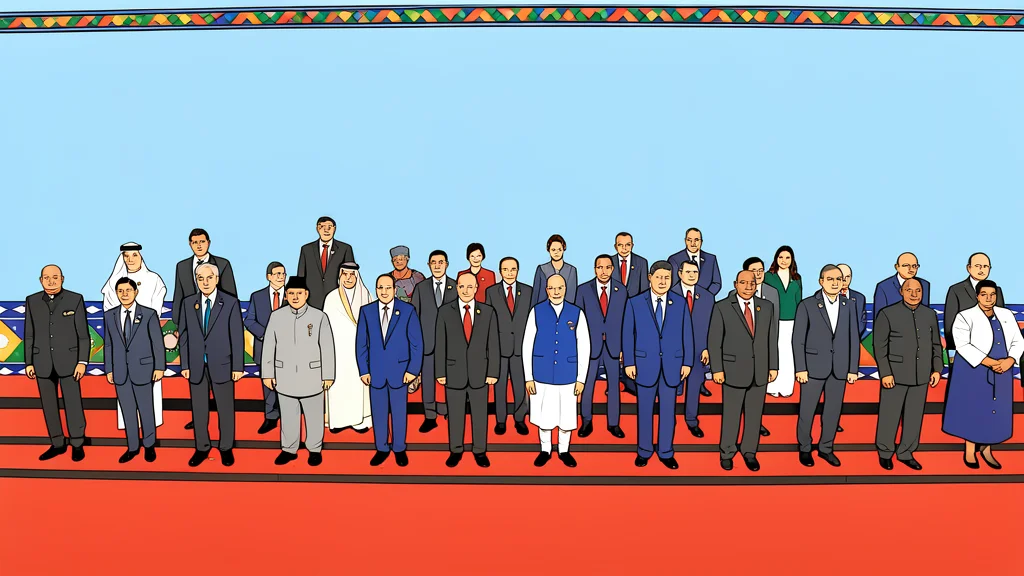
In a display of diplomatic ambition, several of the world’s most influential leaders gathered around a large circular table in Delhi this weekend. Indian Prime Minister Narendra Modi framed the occasion as a pivotal moment for the Brics group to transition from passive observers of international rules to active architects of a new global order. The assembly included high-profile figures such as Chinese President Xi Jinping, Russian President Vladimir Putin, Iran’s President Masoud Pezeshkian, and South African President Cyril Ramaphosa. The mere fact that these nations, which have historically faced border disputes and military confrontations, could be seated together in person is considered a significant achievement for Indian diplomacy.
However, the summit also highlighted the difficulty of translating broad strategic agreements into concrete policy. While the group agreed on the necessity of shifting away from the current Western-led framework, consensus on specific actions proved elusive. According to BBC World reporting, the tension between the desire for a unified front and the reality of divergent national interests ran throughout the proceedings. The weekend served as a platform for reassessing relationships in the wake of recent conflicts, but it also exposed the limits of what the bloc can currently deliver.
Navigating Strategic Autonomy Amidst Conflict
For members like China, Russia, and Iran, Brics represents a vehicle to dilute the influence of the United States and Western Europe. In contrast, India has been cautious about positioning the group as an explicitly anti-Western bloc. Prime Minister Modi emphasized that the group is not against any specific nation, a stance designed to preserve Delhi’s complex relationships with global powers that are often at odds with one another. Anil Trigunayat, a veteran Indian diplomat, described this approach as a push for strategic autonomy in an era of war, allowing members to enhance collaboration without forming a rigid alliance.
This delicate balancing act was particularly evident given the recent hostilities involving Iran and the United Arab Emirates, both of which are part of the expanded Brics membership. Despite these tensions, the summit proceeded with a focus on collective identity. The challenge lies in maintaining cohesion when member states have direct interests in opposing sides of regional conflicts. India’s role has been to act as a neutral facilitator, preventing the group from becoming a proxy for broader geopolitical rivalries while still fostering economic and political dialogue.
The Limits of the New Delhi Declaration
The summit produced a joint declaration, a notable success given that earlier ministerial meetings this year had failed to reach consensus. However, the document is marked by its omissions as much as its inclusions. The New Delhi Declaration urges maximum restraint in the Middle East and condemns attacks on civilian infrastructure, yet it avoids assigning specific blame. It reiterates support for a two-state solution and opposes forced displacement, framing its language carefully around existing United Nations resolutions. Most strikingly, the text makes no mention of Russia’s war in Ukraine, a significant departure from previous Brics statements.
On trade issues, the declaration expresses concern over rising tariffs and condemns unilateral sanctions, but it stops short of naming the United States. Analysts suggest this caution is likely intended to avoid provoking Washington, particularly given President Donald Trump’s previous characterization of Brics initiatives as anti-American. Praveen Donthi, a senior analyst at the International Crisis Group, noted that the absence of specific country names bears the hallmark of Indian diplomacy. While the strong reference to tariffs was a surprise, it may have been an opportunity for India to convey its displeasure with global trade practices without breaking diplomatic norms.
Future Challenges for Global Cooperation
As the leaders departed Delhi, the forward-looking question remains how the Brics group will sustain its momentum. The ability to produce a joint statement is a step forward, but the lack of specific commitments on critical issues like the Ukraine war and direct sanctions suggests that deep divisions remain. The group must now navigate the risk of internal fragmentation while attempting to present a credible alternative to existing global institutions. The coming months will likely see further testing of these relationships, as member states continue to weigh their national interests against the collective goals of the bloc.