BRICS Summit Reinforces Global South Strategic Alignment
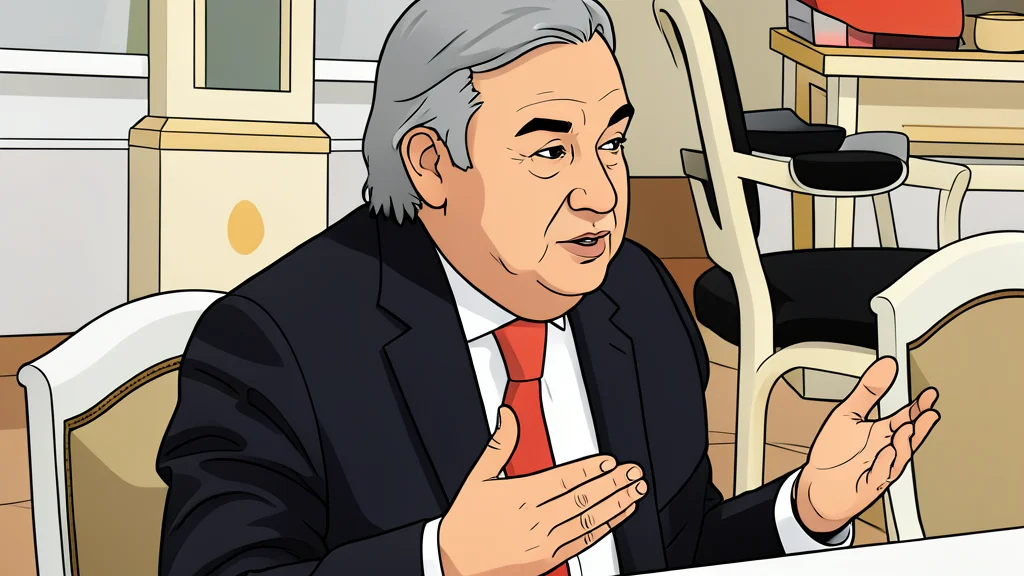
Leaders in New Delhi outlined a shared agenda for multilateral reform and technological cooperation, signaling a consolidated approach to global governance.
The recent BRICS summit in New Delhi has served as a significant diplomatic milestone, reinforcing the collective standing of Global South nations within the international order. According to officials and analysts, the meeting provided a platform for major emerging economies to align on development priorities, multilateralism, and reforms to global governance mechanisms. This convergence occurred against a backdrop of persistent regional conflicts and geopolitical volatility, underscoring the grouping's intent to offer an alternative framework for stability and cooperation.
Chinese President Xi Jinping concluded a two-day visit to India, which included high-level bilateral discussions with Prime Minister Narendra Modi. This engagement marked the third consecutive year of such direct talks, a frequency that observers note contributes to improved relations between the two neighbors. The broader implication, as suggested by diplomatic sources, is that strengthening this bilateral axis supports wider regional stability and enhances the cooperative capacity of the Global South bloc.
Diplomatic Strategy in Plan Period
Foreign Minister Wang Yi characterized the summit as a pivotal engagement for the opening year of China's 15th Five-Year Plan. He described the visit as strategically significant for advancing high-quality cooperation within the expanded BRICS grouping. In a span of less than 24 hours, Xi attended nearly ten events, engaging with various leaders on issues ranging from economic development to security. Wang Yi noted that this intensive schedule was designed to elevate the strategic importance of BRICS cooperation and bolster members' confidence in seeking strength through solidarity.
Shared Vision for Governance Reform
Sudhakar Dalela, secretary for economic relations at India's Ministry of External Affairs, indicated that there was broad convergence among leaders on the need to make global governance institutions more representative and inclusive. He emphasized that the summit addressed the necessity for these institutions to be responsive to contemporary realities. The discussions highlighted a shared commitment to defending international rule of law and promoting a people-centered development philosophy. This alignment suggests a move toward a more multipolar, rules-based order that emphasizes practical cooperation over ideological division.
Concrete Initiatives for Future Growth
To operationalize this solidarity, specific proposals were put forward for 'greater BRICS' cooperation in key sectors. These include artificial intelligence, trade facilitation, digital industry development, intelligent manufacturing, and talent development. Lawrence Loh, a director at the National University of Singapore's Business School, noted that these plans distinguish the grouping by focusing on concrete benefits for populations beyond just member states. He argued that the summit sent a message rejecting zero-sum mentalities in favor of inclusive development. Swaran Singh, a former professor at Jawaharlal Nehru University, observed that these proposals overlap significantly with India’s own priorities regarding technology and resilient supply chains.
As China prepares to assume the rotating BRICS presidency, the focus shifts from high-level rhetoric to implementation. The next phase will likely involve the operationalization of the proposed initiatives in digital infrastructure and trade. Analysts suggest that the degree to which these countries can coordinate on these practical matters will determine the long-term impact of the summit on the global economic landscape. The coming months will reveal whether this renewed solidarity translates into tangible policy changes or remains largely symbolic.