China Seeks Unified BRICS Stance on Middle East Peace
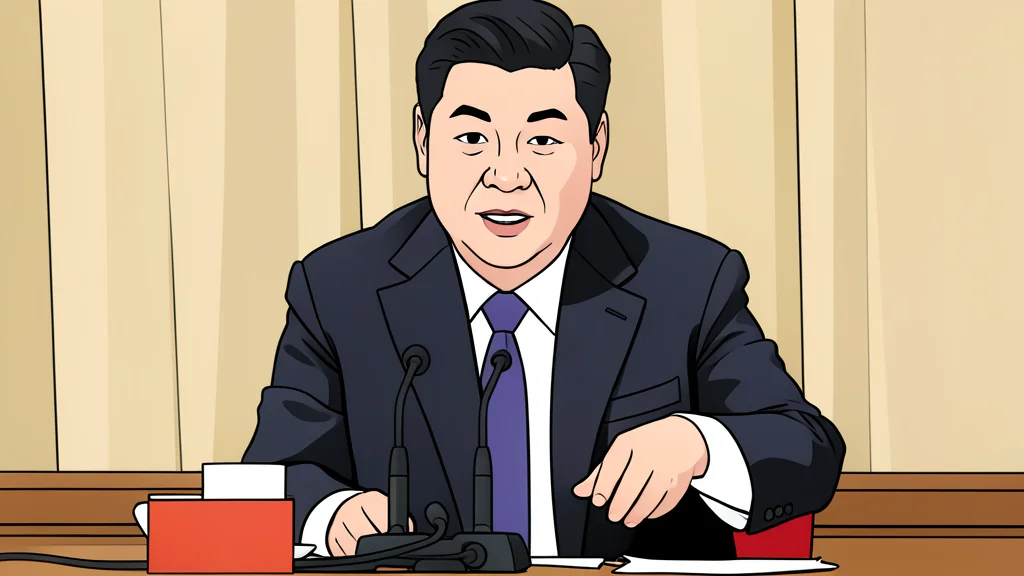
President Xi Jinping has called on BRICS nations to coordinate a stronger diplomatic response to the ongoing conflict in the Middle East, framing the issue as a shared concern for the Global South.
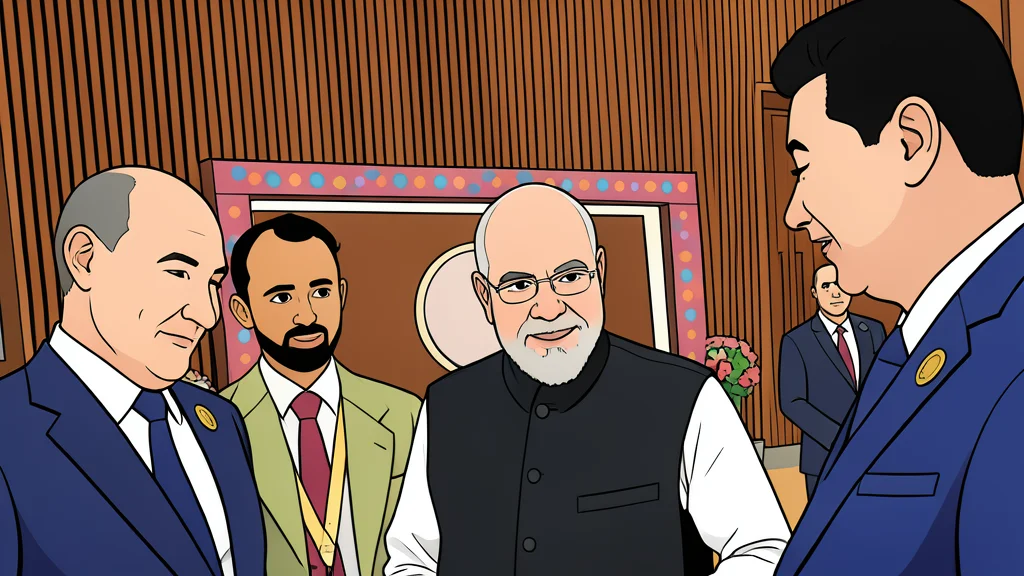
During the BRICS summit in New Delhi, Chinese President Xi Jinping urged member states to assume a more prominent role in peacemaking efforts within the Middle East. Speaking to fellow leaders, he emphasized that the prolonged conflict does not align with the common interests of the international community and that collective action is necessary to restore stability.
According to reports from China’s state-run CCTV, Xi stated that Beijing is prepared to collaborate with other BRICS members to promote peace in the region. The remarks highlight an attempt to present the bloc as a cohesive force capable of influencing global security dynamics, particularly in areas where Western-led diplomatic frameworks have faced criticism.
Expanding the Global South Influence
The BRICS grouping, which originally included Brazil, Russia, India, China, and South Africa, has recently expanded to include Egypt, Ethiopia, Indonesia, Iran, and the United Arab Emirates. This growth has significantly increased the bloc's weight, with members now representing over 40 percent of the world’s population and nearly a quarter of the global economy. Xi described the expanded group as a leading force in the Global South, encouraging a focus on self-reliance and innovation-driven development.
China is set to take over the BRICS chairmanship next year and host the 19th summit, a move that underscores its ambition to shape the agenda of this multilateral platform. The expansion reflects a broader shift in international relations, as emerging economies seek to establish alternative forums for cooperation that challenge the dominance of traditional Western institutions.
Internal Divisions Complicate Unified Response
Despite the rhetoric of unity, the BRICS bloc faces significant internal divisions regarding the Middle East conflict, energy security, and trade tensions. According to diplomatic observers, the differing positions of member states have complicated efforts to develop a coherent response to major international crises. These fractures are particularly evident in how individual nations navigate their relationships with both the United States and Russia, creating a complex web of competing interests.
The war in Ukraine and ongoing trade disputes further strain the cohesion of the group. While some members advocate for a strong stance against conflict, others prioritize economic stability and bilateral ties, leading to cautious diplomacy rather than bold collective action. This tension between ideological alignment and practical state interests remains a central challenge for the bloc.
Future Challenges for Multilateral Cooperation
As the BRICS summit concludes, the focus shifts to how member states will translate their discussions into concrete diplomatic steps. The ability of the group to present a united front on the Middle East conflict will be a key indicator of its effectiveness as a diplomatic actor. Analysts suggest that the coming months will reveal whether the bloc can overcome its internal disagreements to offer a credible alternative to existing peacekeeping mechanisms.
The upcoming chairmanship under China will be critical in testing these dynamics. With the 19th summit approaching, the group must navigate the delicate balance between promoting its own economic interests and addressing global security concerns. The outcome of these efforts will likely influence the future trajectory of multilateralism and the role of emerging powers in shaping international norms, as reported by GN auto geopolitics/middle-east: Middle East diplomacy.