Pakistan Calls for UN Action on Evolving Terror Threats

Pakistan has urged the United Nations Security Council to address emerging gaps in counter-terrorism frameworks, citing rapid adaptation by extremist groups in propaganda and financing.
Pakistan has called on the UN Security Council to tighten its counter-terrorism mechanisms and close existing gaps in global sanctions regimes. This appeal comes as a new United Nations assessment indicates that terrorist organizations are rapidly evolving their methods for propaganda, recruitment, and financing. The discussion marked the 25th anniversary of the September 11 attacks, a moment when member states reviewed the shifting landscape of global security threats.
According to a report by the Counter-Terrorism Committee Executive Directorate, terrorist propaganda has moved beyond simple messaging to become embedded in the operational structure of these groups. The report identifies organizations such as the Tehreek-i-Taliban Pakistan, Al-Shabaab, and ISIL-K as actively exploiting local grievances to build legitimacy and raise funds. It warns that these groups are adapting their strategies faster than governments can respond, creating a significant gap between evolving tactics and current legislative frameworks.
Technological tools reshape recruitment
The assessment highlights the increasing use of digital platforms, artificial intelligence, and gaming communities to target young people. According to the report, violent extremist groups are leveraging these alternative online spaces to facilitate radicalization and networking. This digital shift complicates traditional monitoring efforts, as these tools allow for more discreet and geographically dispersed operations that bypass standard communication channels.
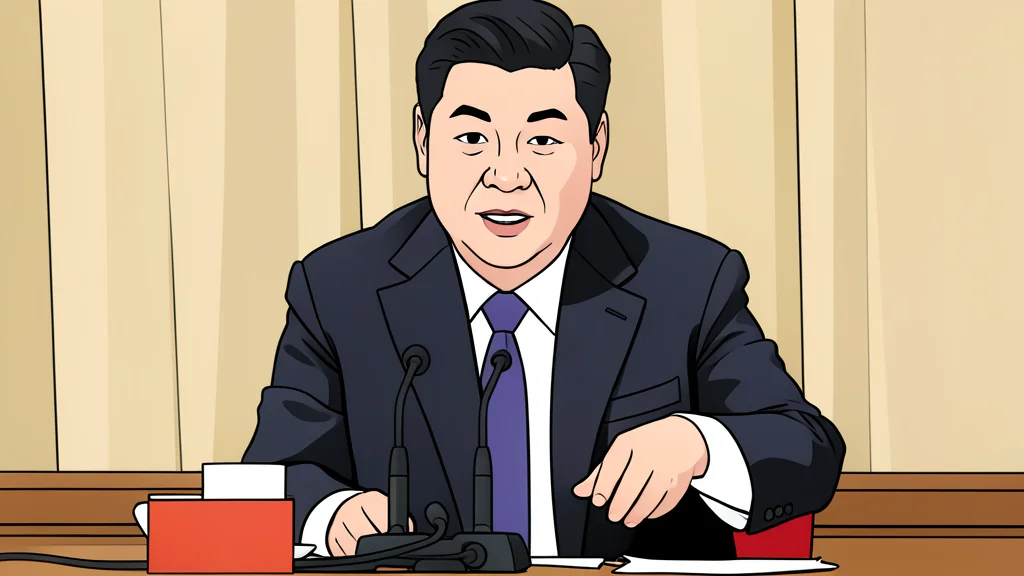
Pakistan’s Permanent Representative, Asim Iftikhar Ahmad, emphasized that the threat has mutated since the early 2000s. He pointed to the growing use of drones, virtual assets, and cryptocurrencies for planning attacks and financing operations. While acknowledging the role of technology, he stressed that the international community must also address the human rights implications of long-term counter-terrorism measures, which have strained fundamental freedoms in some regions.
Human rights tensions emerge
Parallel to the discussion on threat evolution, more than 30 independent UN human rights experts issued a warning about the toll of the 25-year anti-terrorism campaign. They noted that security measures have often stretched the boundaries of international law, impacting civil liberties. This perspective adds a layer of complexity to the Security Council’s deliberations, requiring a balance between effective security measures and the protection of fundamental rights.
The debate also highlighted the disproportionate impact of terrorism on certain regions, particularly in South Asia. Islamabad’s envoy cited statistics indicating that thousands of Pakistanis have lost their lives in recent years due to cross-border violence. He urged the Council to take effective action against groups operating from Afghan territory, arguing that the current international response has not been sufficient to mitigate the risk to neighboring states.
Global cooperation remains fragmented
Despite the shared concern, the US representative noted the diverse nature of the victims of past attacks, including citizens from over 90 countries. He called for renewed international cooperation, emphasizing that no single nation can address these threats in isolation. However, the differing priorities of member states regarding sanctions enforcement and human rights compliance continue to hinder the formation of a unified global strategy.
As the Security Council continues its review, the focus remains on how to modernize legal and operational tools to keep pace with technological advancements. Observers will watch for specific proposals regarding the regulation of emerging digital platforms and the harmonization of sanctions policies. The next steps will likely involve further consultations between member states to determine how to close the identified gaps without compromising legal standards.