Global Tensions over Indigenous Sovereignty and Resource Control
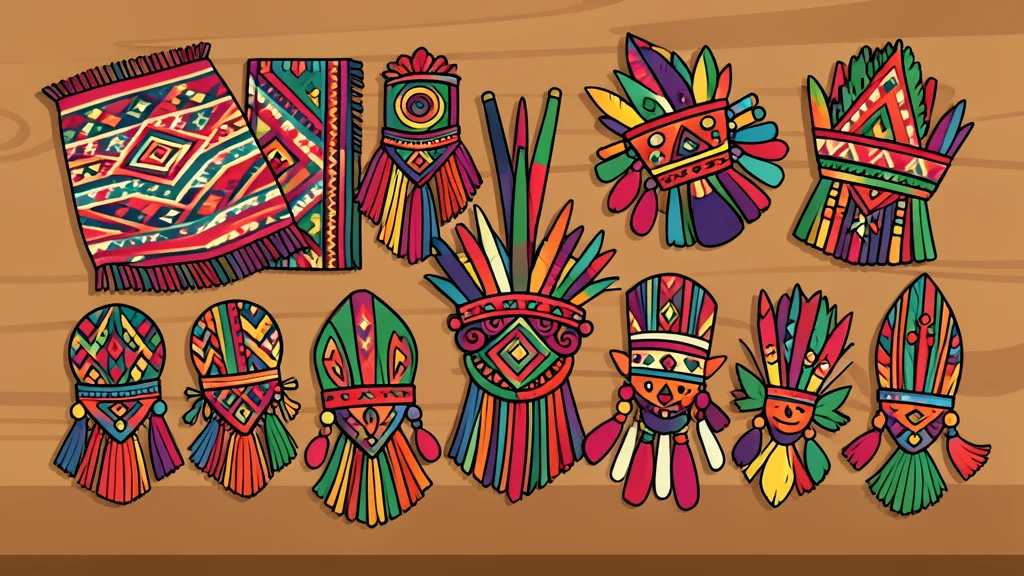
A new analysis from GN geopolitics/rights examines the complex power dynamics surrounding Indigenous rights, highlighting how state recognition often fails to translate into genuine decision-making power over land and culture.
The question of who holds the power to define Indigenous identity and protect their lands remains a central point of friction in international human rights discourse. According to a recent report by GN geopolitics/rights, while approximately 476 million Indigenous people worldwide stewarded significant portions of the earth's biodiversity, they continue to face systemic challenges in asserting their rights. The narrative has shifted from debating whether these groups deserve recognition to scrutinizing who ultimately decides the terms of that recognition and the subsequent control over resources.
Historical trauma and ongoing political marginalization complicate this landscape. In regions such as Iraq and Japan, state denial of Indigenous status has persisted despite historical atrocities and displacement. Conversely, in parts of Europe, the concept of autochthony is increasingly used as a political tool to foster nationalism, creating a paradox where cultural heritage is exploited to exclude rather than include. This divergence highlights the inconsistent application of Indigenous rights across different geopolitical contexts.
Recognition Does Not Guarantee Agency
Official recognition as an Indigenous people is often a necessary first step, but it does not automatically confer decision-making authority over local resources or cultural practices. In the Philippines, community leaders in Nueva Vizcaya faced criminal charges for organizing against mining activities, illustrating how legal frameworks can be used to suppress dissent. Similarly, in Thailand, a peaceful protest to protect the Kok River from pollution resulted in significant state intervention, underscoring the tension between environmental protection and state-controlled extraction.
The stakes are particularly high in Brazil, where the Missionary Indigenist Council reported that 258 Indigenous people were murdered in 2025 while defending their territorial rights. These incidents suggest that the conflict is not merely bureaucratic but often violent, driven by the desire to access land and natural resources. The gap between legal status and practical protection remains a critical issue for communities worldwide.
State Control Over Resource Extraction
In many cases, state actions against Indigenous populations are linked to the extraction of natural resources. In China, new regulations regarding cotton production have been described as mechanisms for state traceability and control, affecting millions of Uyghur and Tibetan farmers. The policy reportedly enforces strict government supervision over agricultural lands, raising concerns about the autonomy of these communities in managing their own production and labor.
A similar pattern is observed in northern Tanzania, where Maasai lands have been acquired by the state under the guise of environmental protection. However, these areas are subsequently utilized for tourism, hunting, and private investment, often without the full consent or benefit of the Indigenous inhabitants. This dynamic reflects a broader trend where environmental rhetoric is employed to justify the transfer of land control to state and private entities.
Looking Ahead at Sovereignty Debates
The path forward requires a deeper examination of the mechanisms that allow states to override Indigenous sovereignty. As global attention turns to climate change and biodiversity, the role of Indigenous stewardship becomes increasingly significant. However, without a fundamental shift in how power is distributed and who is granted the authority to make decisions about land and culture, the risk of continued conflict and marginalization remains high.
Observers should watch for developments in international legal frameworks and domestic policies that address the gap between recognition and actual self-determination. The coming months may see increased activism and legal challenges in regions where resource extraction intersects with Indigenous territories. The outcome of these debates will likely shape the future of human rights protections for Indigenous communities globally.