Nations Expand Autonomous Underwater Defense Networks
A strategic shift is underway beneath the waves as countries deploy autonomous systems to safeguard critical sea-floor infrastructure. This development marks a significant evolution in maritime security strategies.
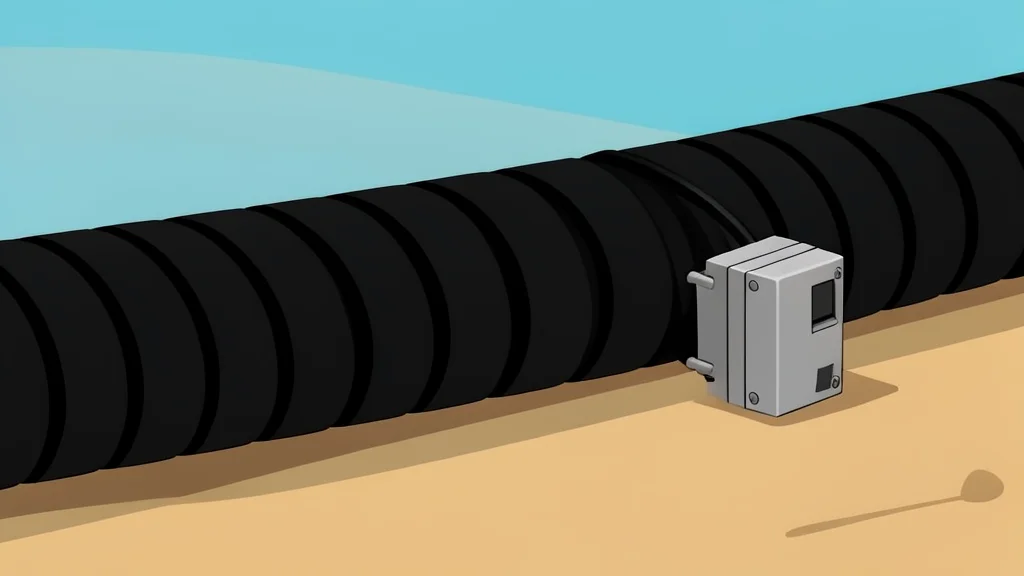
The strategic focus of global defense is expanding beyond land and air to encompass the deep ocean. According to the GN auto geopolitics/global: arms race report, nations are increasingly deploying autonomous underwater vehicles to protect vital infrastructure such as fiber-optic cables and energy pipelines. This shift reflects a growing recognition that the sea floor hosts critical assets essential for modern connectivity and energy supply, which have historically been vulnerable to external interference.
The urgency of this initiative has been highlighted by recent incidents involving damaged underwater communication links between Europe and North America. Intelligence agencies within NATO have documented a rise in submarine activity from rival states, prompting a fundamental reevaluation of maritime security protocols. Consequently, governments are accelerating investments in underwater military technology to counter these emerging threats in an era defined by hybrid warfare tactics.
Autonomous Systems Redefine Maritime Security
Defense contractors are responding to this demand with a new generation of autonomous underwater vehicles capable of patrolling vast ocean stretches for months without human intervention. These systems integrate advanced sonar arrays with machine learning algorithms designed to distinguish natural phenomena from potential security threats. Unlike traditional submarines that require constant oversight, these drones operate independently, making real-time decisions regarding data collection and threat assessment.
The technology represents a convergence of several advanced fields, including extended battery life and sophisticated navigation algorithms that aid in avoiding detection. Onboard artificial intelligence processes massive amounts of sensor data to identify patterns indicative of sabotage or unauthorized activity. Several nations, including the United States and European states, have already begun integrating these systems into their surveillance networks, with smaller maritime nations also investing to protect their economic lifelines.
Legal and Cyber Challenges Emerge
While the defensive capabilities of these systems are significant, they introduce complex legal and security challenges. The international legal framework governing underwater activities remains unclear, particularly concerning autonomous systems operating in international waters. Questions regarding rules of engagement become more intricate when AI-powered devices must make split-second decisions about potential threats, raising concerns about accidental escalation and the attribution of actions taken by non-human operators.
Cybersecurity experts warn that these autonomous platforms could themselves become targets for sophisticated cyberattacks. If adversaries manage to compromise the control systems of these underwater drones, they could potentially disable defensive assets or manipulate them for offensive purposes. This vulnerability underscores the need for robust cybersecurity measures to protect the integrity of the emerging underwater defense architecture.
Economic Stakes Drive Future Investment
The economic implications of this trend are substantial, as more infrastructure moves beneath the surface. Plans for offshore wind farms, underwater data centers, and other deep-sea projects depend on the ability to secure these assets from both natural disasters and human-induced threats. Commercial shipping and energy sectors are exploring how similar autonomous technologies can enhance their operational security, indicating a broad market expansion beyond purely military applications.
Looking ahead, the trajectory of underwater security will likely be shaped by the balance between technological advancement and international cooperation. Observers should watch for developments in diplomatic negotiations regarding the use of autonomous systems in international waters. Additionally, the pace of adoption by commercial entities and the emergence of new cyber threats will determine how quickly this new domain of competition evolves and impacts global stability.