Senators Demand Release of Classified U.S.-Saudi Nuclear Deal Documents

A bipartisan group of U.S. senators is urging the administration to declassify side letters attached to the proposed nuclear cooperation agreement with Saudi Arabia, citing transparency concerns.
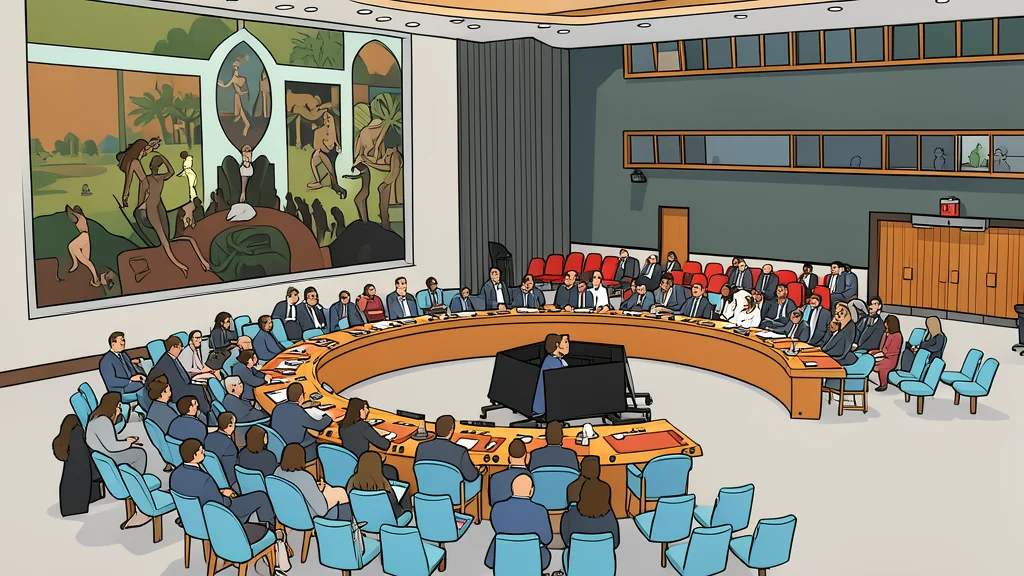
A bipartisan coalition of U.S. senators has formally requested that the Trump administration declassify and publicly release two classified side letters associated with the proposed civil nuclear cooperation agreement with Saudi Arabia. The group argues that without access to these supplementary documents, Congress cannot fully evaluate the scope of the obligations being established under the framework known as a 123 agreement.
According to GN geopolitics/nuclear (en-US), the administration submitted the main agreement to Congress as required by law, but the accompanying side letters remain classified. Senators note that this practice is unprecedented in such negotiations. They contend that these letters contain critical operational and legal commitments that directly impact national security, making their concealment a significant barrier to informed legislative review.
Overseas Nuclear Cooperation Framework
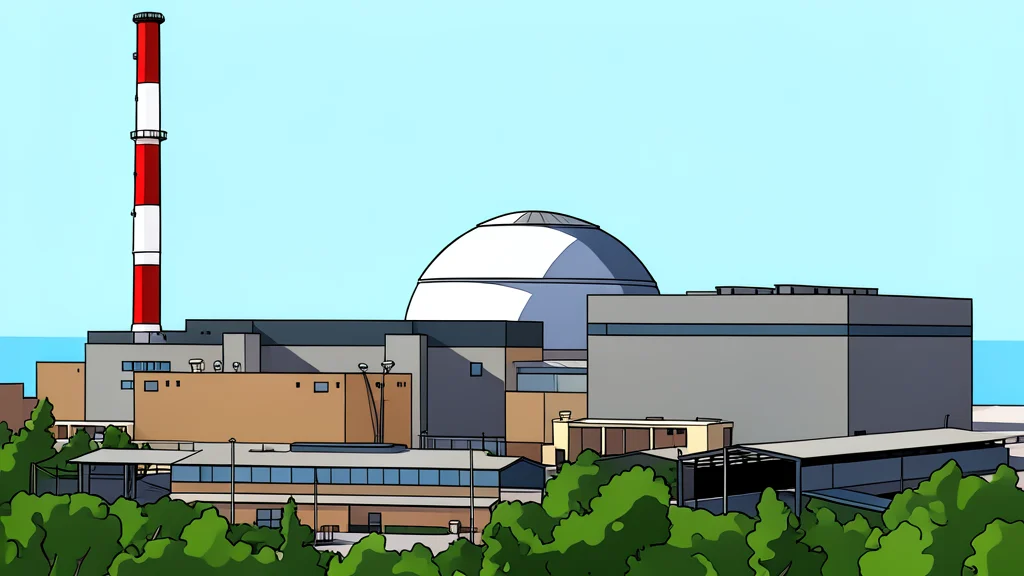
The 123 agreement serves as the legal basis for nuclear cooperation between the United States and another country. Typically, these agreements outline the terms for the transfer of nuclear technology, materials, and information. The current dispute centers on the side letters, which are often used to specify additional conditions or limitations that may not be detailed in the primary treaty text.
Senator Kirsten Gillibrand, who leads the effort, emphasized that protecting national security is the paramount concern. She stated that hiding key components of the agreement from the public lacks justification. The senators argue that their constitutional oversight duties require them to understand the full extent of the commitments made on behalf of the United States and those made by Saudi Arabia.
Bipartisan Pressure on Executive Branch
The demand for transparency has garnered support from across the political spectrum. The letter includes signatures from prominent Democrats such as Chuck Schumer and Bernie Sanders, as well as Republicans including Rand Paul and John Kennedy. This broad coalition underscores a shared concern among legislators regarding the lack of visibility into the specific terms governing this high-stakes international arrangement.
In their correspondence with Secretary of State Marco Rubio and Secretary of Energy Chris Wright, the senators cited their statutory responsibilities under the Atomic Energy Act. They asserted that open debate and public scrutiny are essential elements of the democratic process. The group called for the immediate declassification of the documents to allow for meaningful review before the agreement potentially enters into force.
Future Oversight and Debate
The outcome of this request will likely shape the trajectory of the legislative review process. If the administration maintains its position on classification, it may face further legal or political challenges from Congress. The coming weeks will be critical in determining whether the full text of the side letters becomes available for public and congressional analysis.
Observers will watch closely for any response from the State and Energy Departments. The level of transparency provided will set a precedent for how future nuclear cooperation agreements are handled. The balance between national security confidentiality and democratic accountability remains a central tension in this ongoing diplomatic and political negotiation.