Bachelet Withdraws from UN Secretary General Race
The former Chilean president’s exit narrows the field for the post-Guterres era, leaving a fragmented race among remaining contenders.
Michelle Bachelet, the two-time president of Chile, has officially withdrawn her candidacy for the United Nations secretary general. In a statement released on social media, she confirmed that she would step back from the race to succeed António Guterres, who is set to conclude his second five-year term at the end of this year. Her decision ends a campaign that had been framed around the defense of multilateralism and international law.
According to GN geopolitics/un, the withdrawal follows a recent informal assessment of support among security council members. This latest straw poll indicated a significant decline in backing for Bachelet’s bid. Consequently, the field remains crowded, with seven other candidates still in contention for the most senior diplomatic position in the world.
Shifting Dynamics In The Council
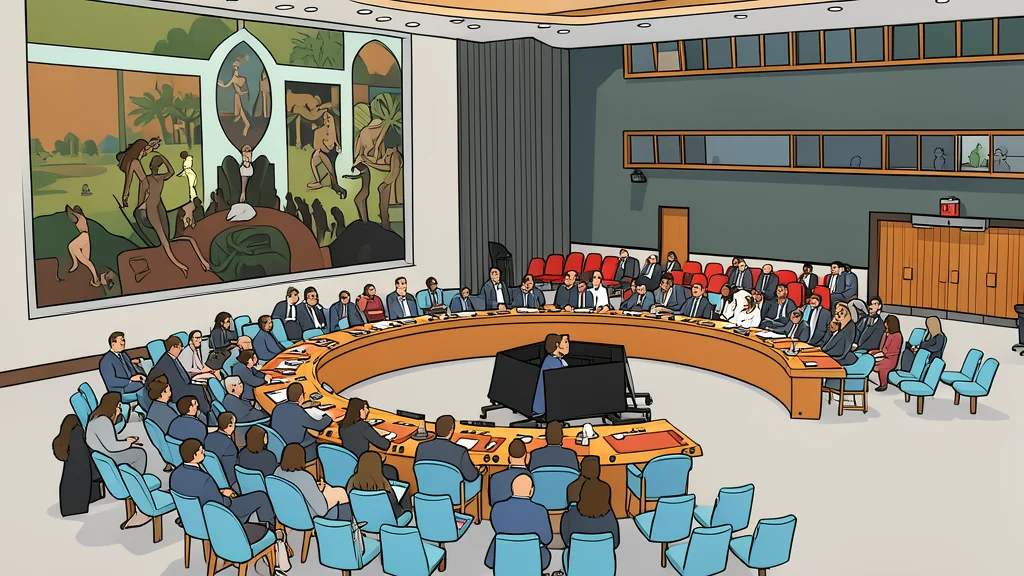
The process for selecting the next leader of the UN is heavily influenced by the internal politics of the security council. While the general assembly holds the formal power to elect the secretary general, its decision is typically viewed as a formality once the council reaches a consensus on a single nominee. Bachelet’s exit does not resolve this impasse but rather reshapes the coalition-building efforts required to identify a viable candidate.
Reports suggest that other contenders, such as Costa Rican official Rebeca Grynspan, have seen their standing improve in recent informal discussions. The removal of a high-profile figure from the race may accelerate negotiations among member states, although the path to a unified recommendation remains uncertain. Diplomatic sources indicate that further candidates may still enter the process as the search continues.
Implications For Multilateral Diplomacy
Bachelet’s campaign had emphasized the need to strengthen international institutions at a time when she described them as under sustained pressure. Her background as a former human rights chief and head of state had drawn attention to the intersection of governance and global cooperation. Her departure leaves a question mark over who will champion these specific priorities in the next phase of the selection process.
As the race tightens, the focus shifts to how the remaining candidates will position themselves in relation to current geopolitical tensions. The eventual choice will reflect the balance of power among the permanent members of the security council and the broader diplomatic landscape. Observers are now watching for signals of alignment or divergence among key voting blocs as the deadline for nominations approaches.