Tensions Rise as Trump Criticizes NATO over Hormuz Stance
The US President has publicly questioned the value of the alliance, citing European refusal to join military operations in the Persian Gulf. This friction marks a significant shift in transatlantic defense dynamics.
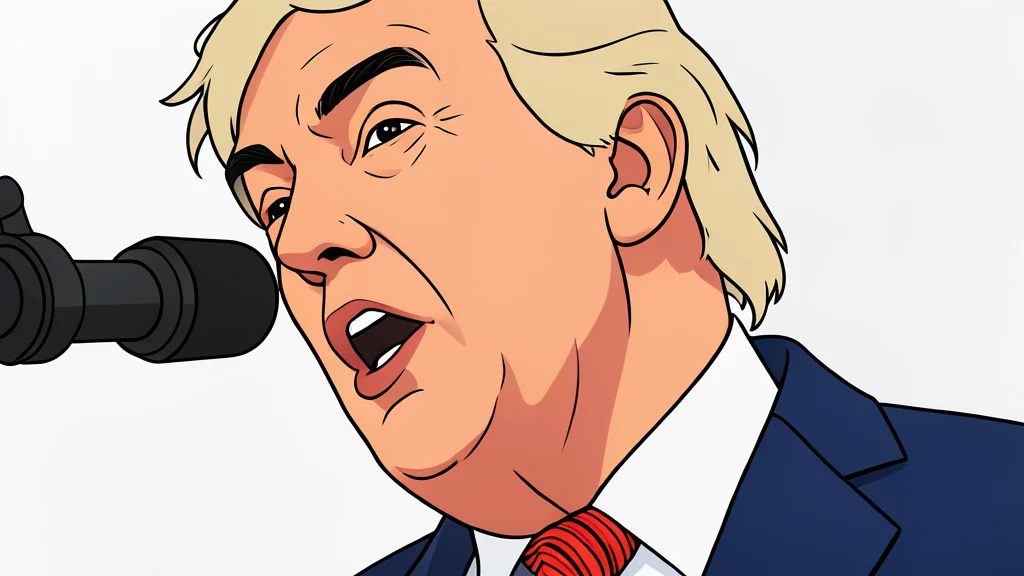
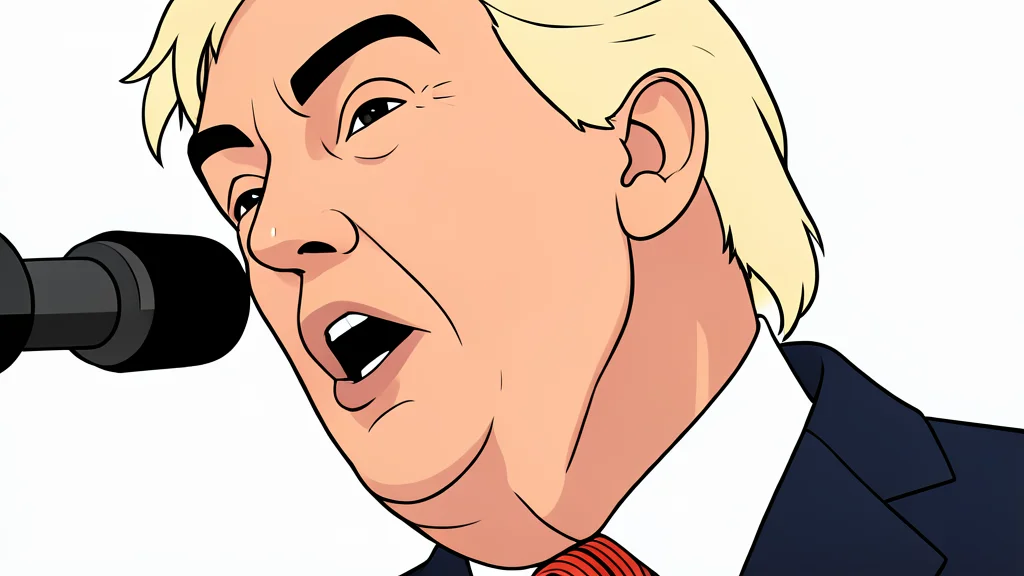
President Donald Trump has issued a sharp rebuke of NATO, expressing frustration over the alliance’s decision not to participate in US military operations concerning Iran. During a speech in Dublin, the US leader questioned the fundamental purpose of the partnership, suggesting that the alliance may be financially advantageous to Washington by excluding its European members from current conflicts.
The comments were delivered at the Deerfield Residence, the official home of the US ambassador to Ireland, where Trump attended the closing weekend of the Amgen Irish Open. According to GN geopolitics/nato, this incident highlights a growing rift between Washington and its traditional allies, as the President links trade, energy, and immigration policies to broader strategic disagreements regarding the Strait of Hormuz.
Economic stakes in the Strait of Hormuz
The core of the dispute centers on the strategic importance of the Strait of Hormuz, through which a fifth of the world's oil supply passes. Since the onset of hostilities, Iran has tightened its control over the waterway, driving global crude prices above $100 per barrel for the first time in months. Trump argued that the US does not require this oil flow, citing domestic production levels, yet maintained that securing the route was a critical objective.
Diplomatic friction with European leaders
The President’s remarks have exacerbated existing tensions with key European figures, including French President Emmanuel Macron and Italian Prime Minister Giorgia Meloni. These leaders have previously criticized the US for failing to consult with them before initiating military actions that have disrupted the global economy. Trump’s assertion that he declined their support rather than requesting it suggests a deliberate distancing from collective defense mechanisms.
Observers note that the President has frequently targeted NATO in recent weeks, disparaging specific member states and questioning the utility of the alliance. His comments about Europe
Uncertain future for transatlantic security
The forward-looking implications of these statements remain unclear, but they signal a potential redefinition of US commitment to collective defense. Analysts are watching for further signs of disengagement from multilateral security frameworks, as the administration appears to prioritize unilateral action and bilateral leverage over alliance solidarity. The next moves by European capitals will be critical in determining whether this friction leads to a permanent restructuring of the transatlantic relationship.