BRICS Summit Tests Bloc Cohesion Amid Global Fragmentation
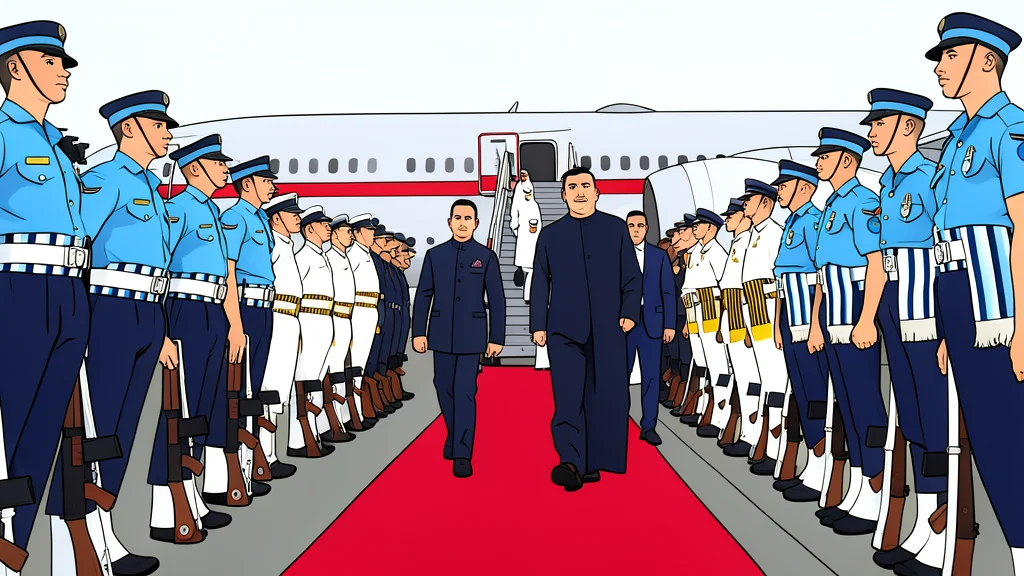
Leaders from major emerging economies gather in New Delhi for a summit focused on energy security and trade, aiming to present a unified front despite significant political and economic divergences among members.
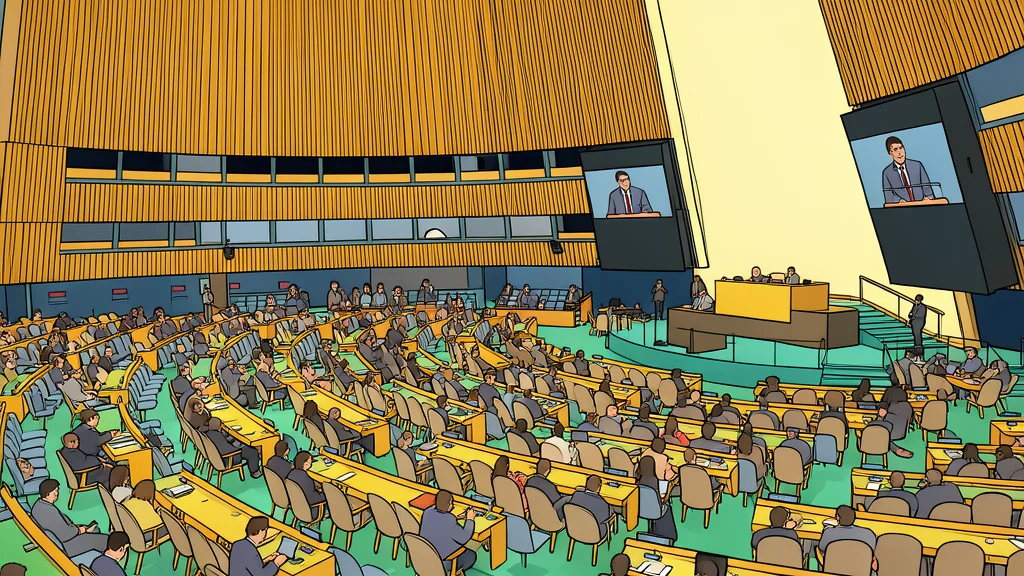
New Delhi, India — Leaders from some of the world’s largest emerging economies began arriving in the Indian capital on Friday for a two-day BRICS summit that kicks off Saturday. The gathering brings together heads of state from Brazil, Russia, China, South Africa, and the expanded membership, which now includes the United Arab Emirates, Saudi Arabia, Egypt, Iran, Indonesia, and Ethiopia. This bloc represents roughly a quarter of global nominal GDP and half of the world’s population, positioning it as a critical counterweight in an increasingly fragmented international order.
The agenda centers on food and energy security, supply chain resilience, and technological cooperation. According to the GN geopolitics/summit, host India is seeking to leverage its chairmanship to frame BRICS as a source of stability during a period marked by the consequences of the war in Ukraine, the crisis in the Middle East, and shifting trade policies. The summit comes at a time when the global economy is grappling with disruptions to shipping routes and energy supplies, making the bloc’s ability to coordinate on practical measures more urgent than ever.
Diplomatic Challenges for Consensus
Despite the high-profile attendance, the path to a unified declaration remains fraught with difficulty. Foreign ministers failed to agree on a joint statement during their earlier meeting in May, raising questions about whether leaders can reach a consensus this weekend. The bloc now includes nations with diverging geopolitical interests, particularly regarding the conflict in Ukraine and the broader Middle East situation. India’s strategy involves navigating these differences by focusing on economic cooperation and non-political areas of agreement, such as health and disaster preparedness.
Russian President Vladimir Putin was among the first to arrive, holding talks with Indian Prime Minister Narendra Modi on trade, energy, and defense. Russia remains a key strategic partner for India, supplying significant amounts of oil and military equipment. Egypt’s President Abdel Fattah El Sisi, Iran’s President Masoud Pezeshkian, and South Africa’s President Cyril Ramaphosa also arrived on Friday, while China’s President Xi Jinping is expected to arrive on Saturday for his first visit to India in seven years. This convergence highlights the complex web of bilateral relationships that underpin the multilateral summit.
Economic Reforms and Digital Currencies
Economic issues are set to feature prominently in the discussions. BRICS finance chiefs have called for reforms to the International Monetary Fund and the World Bank to better reflect the interests of emerging economies. India is also pushing the bloc to explore greater linkages between members’ digital currencies, a move that could have significant implications for global financial architecture. However, political and technical hurdles remain substantial, and the feasibility of such a system is subject to intense scrutiny. The summit offers a platform to advance these discussions, although concrete outcomes may take time to materialize.
The Saudi delegation is expected to be led by Foreign Minister Prince Faisal bin Farhan, while the UAE is represented by Crown Prince Sheikh Khaled bin Mohamed. These Gulf states, along with other members, are keen to diversify their economic partnerships and reduce dependence on traditional financial systems. The summit provides an opportunity to strengthen intra-bloc trade and investment, which could help mitigate the impact of external economic pressures and sanctions. The focus on practical cooperation aims to build a more resilient economic framework for its members.
Bilateral Dynamics and Strategic Interests
A separate meeting between Prime Minister Modi and President Xi Jinping is also being arranged, adding a significant bilateral dimension to the summit. China’s Foreign Ministry stated that it is willing to approach bilateral ties from a strategic and long-term perspective, enhancing communication and cooperation while managing differences. This high-level engagement underscores the importance of the China-India relationship in the broader context of BRICS cooperation. The summit thus serves as both a multilateral forum and a stage for critical bilateral diplomacy.
As the summit proceeds, the world will watch closely to see if BRICS can translate its growing global weight into practical cooperation despite internal differences. The outcome will provide insights into the bloc’s ability to adapt to a rapidly changing geopolitical landscape and its potential to shape the future of international economic governance. The coming days will be crucial in determining whether the summit achieves its goals of stability and cooperation.