Tokayev Urges Dialogue to Prevent New Nuclear Arms Race
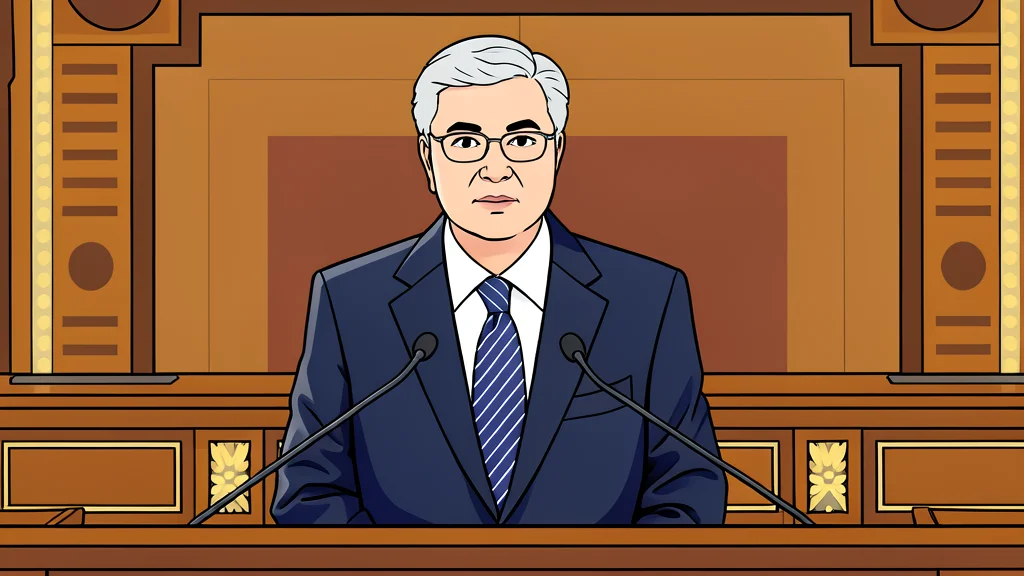
Kazakh President Kassym-Jomart Tokayev has called for urgent high-level dialogue between nuclear powers, warning that the erosion of international security architecture significantly increases the risk of strategic miscalculation and renewed arms competition.
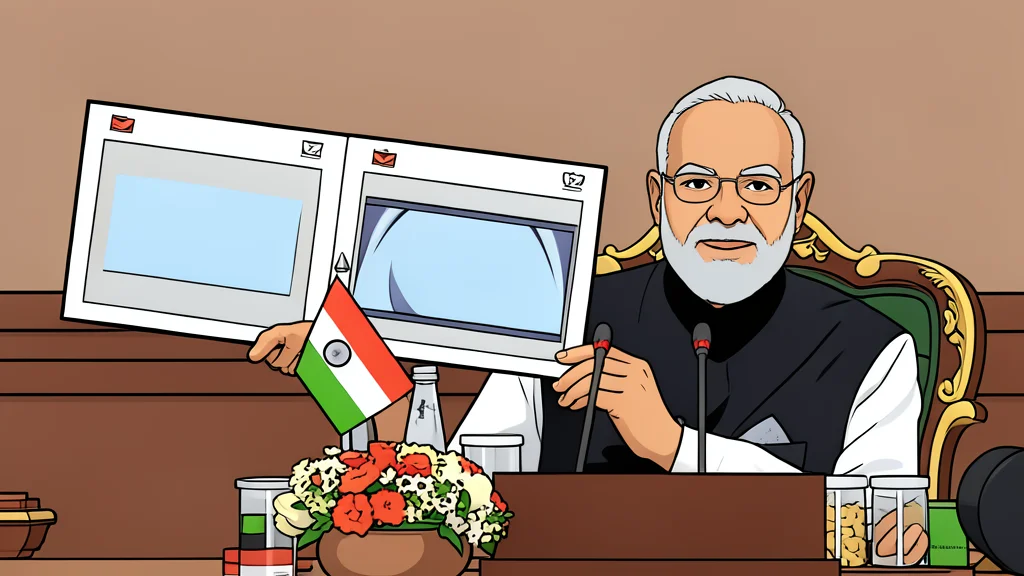
Speaking at the BRICS+ summit in New Delhi, President Kassym-Jomart Tokayev of Kazakhstan issued a stark warning regarding the fragility of global strategic stability. According to statements released by his press service, the Kazakh leader argued that the current erosion of the international security architecture creates a dangerous environment where regional tensions could easily escalate into broader conflicts. He emphasized that peace is not merely a political ideal but a prerequisite for sustainable economic development across the globe.
The Kazakhstani president highlighted that protracted conflicts and the general decline of diplomatic frameworks are accelerating the risk of a new arms race. Tokayev stated that moving from de-escalation to long-term stability requires consistent diplomacy rather than reactive measures. He specifically noted that the lack of high-level communication channels among nuclear powers leaves room for erroneous decisions and strategic miscalculations, particularly in an era defined by rapidly evolving military technologies.
Strategic Stability and Diplomatic Dialogue
Tokayev positioned the restoration of dialogue as a critical mechanism for reducing nuclear risks. He argued that authorities of nuclear-armed states must re-establish robust communication lines to manage these dangers effectively. The emphasis on dialogue suggests a view that technical and military measures alone are insufficient without a political foundation for trust and transparency. This perspective aligns with broader concerns among non-nuclear states about their exposure to the consequences of great power competition.
Reforming United Nations Mechanisms
In the same address, the Kazakh leader stressed the necessity of reforming the United Nations to better reflect contemporary geopolitical realities. According to Tokayev, the UN Charter must be observed consistently rather than selectively by individual member states. He called for Security Council reforms that ensure fair representation for Asia, Africa, and Latin America, arguing that the current structure does not adequately account for the shifting balance of global power.
The president also advocated for a stronger voice for developing middle powers in global decision-making processes. He suggested that these nations play a vital role in supporting dialogue and helping to overcome geopolitical contradictions. By strengthening the UN’s capacity to prevent conflicts, the international community could create a more stable platform for managing disputes, thereby reducing the likelihood of escalation into armed conflict.
Context of Global Security Concerns
These remarks were delivered against a backdrop of heightened tensions in several regions, where the risk of direct confrontation remains a significant concern for policymakers. The call for reform and dialogue reflects a broader diplomatic push to stabilize the international order amidst shifting alliances. As noted in reports from the GN auto geopolitics/global: arms race desk, such statements often signal a desire to re-engage with multilateral institutions as a buffer against bilateral power struggles.
The forward question remains how other major powers will respond to these calls for structural change and dialogue. Whether the proposed reforms gain traction in upcoming international forums will be a key indicator of the health of the global security architecture. Observers will watch closely for any concrete steps toward enhanced communication channels or changes in UN voting dynamics that might validate the Kazakhstani president’s assertions about the need for a more inclusive and stable global governance system.