Trump Pushes 'super Intelligence' Label at UN, Facing Expert Pushback
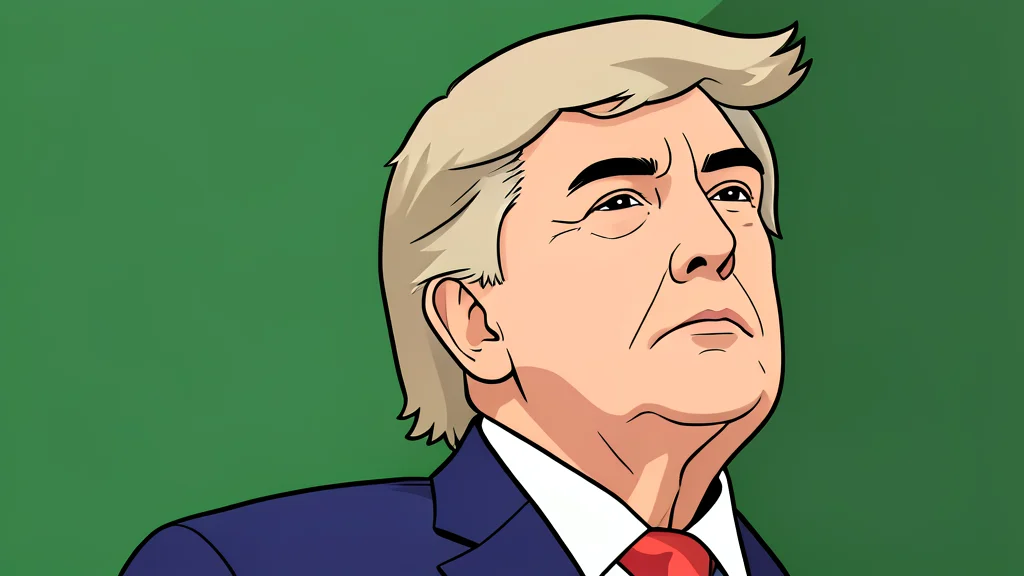
US President Donald Trump urged the world to adopt the term 'super intelligence' for AI, a move experts say conflicts with existing technical definitions.
Key points
- President Trump urged the UN to replace 'artificial intelligence' with 'super intelligence,' claiming the former term is inaccurate.
- Experts argue the new term is misleading because it is technically reserved for hypothetical systems with intellects far superior to humans.
- US officials have already adopted the new label, while Canadian officials expressed reluctance, highlighting a disconnect with industry standards.
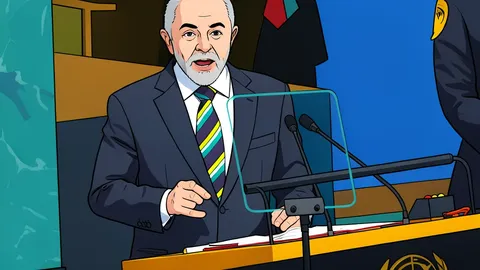
US President Donald Trump has urged the international community to abandon the term 'artificial intelligence' in favor of 'super intelligence' or 'SI.' During his address to the United Nations General Assembly in New York, the president argued that the current terminology makes the technology sound fake and inaccurate. He stated that from this point forward, United States documents should reflect this change, expressing a hope that the rest of the world would follow suit.
The proposal follows a series of polls conducted on the president's social media platform, where supporters were asked to choose between several alternatives, including superior, extreme, and supreme intelligence. According to reports, 'super intelligence' emerged as the preferred term among those who participated in the voting. This move represents the latest in a series of rebranding initiatives by the administration, which recently included changes to the official names of Lake Ontario and the Gulf of Mexico in federal communications and maps.
Experts question technical accuracy of new label
Technology experts and ethicists have expressed skepticism about the adoption of the new term, noting that it carries a specific and distinct meaning within the academic and professional community. According to BBC Business, the term is typically reserved for hypothetical systems that possess intellects far superior to humans in all forms, a concept often associated with philosopher Nick Bostrom. Digital ethics lecturer Simon Coghlan from the University of Melbourne described the rebranding as misleading, arguing that it exaggerates the current capabilities of existing AI models.
Ben Leong, a computer science lecturer at the National University of Singapore, suggested that professionals are likely to reserve the acronym 'SI' for higher levels of AI development that have not yet been achieved. He noted that the technology does not currently feel like it has reached that threshold. The divergence in terminology creates a potential conflict between political branding and the precise language used by researchers to describe the state of the field.
Political adoption and international reactions
Despite the expert reservations, several high-ranking US officials have already embraced the new terminology. US Chief Technology Officer Ethan Klein posted on social media that the United States remains the global leader in 'SI,' referring to the president's speech. Similarly, US Ambassador to the United Nations Michael Waltz stated that he believes the president is absolutely right in the assessment. These endorsements signal an attempt to establish the new nomenclature within official US channels, regardless of its standing in the broader tech industry.
International reactions have been cooler. Canada’s Minister of AI, Evan Solomon, responded to the proposal with a pointed comment, stating that Canadians are not enthusiastic about renaming things, a remark that appeared to reference the earlier changes to geographic names. The reluctance to adopt the new term highlights a broader friction between the administration's desire for control over technological narratives and the established conventions of the global technology sector.
Regulatory tensions and upcoming diplomatic meetings
The debate over terminology occurs against a backdrop of growing concern within the tech industry regarding the safety and regulation of advanced AI systems. In recent weeks, top executives and researchers have called on the US government to implement stricter regulations, citing fears that the technology could pose risks to humanity. The president has dismissed these concerns as a hoax, arguing that the United States cannot afford to stifle the growth of an industry that he describes as being larger than the industrial revolution.
Trump has emphasized the strategic competition with China, stating that the US is currently leading by a significant margin and intends to maintain that position. He argued that the government will rein in the sector if necessary but prioritized avoiding advantages for rival nations. With the president scheduled to meet his Chinese counterpart Xi Jinping later this week, artificial intelligence is expected to be a central topic of discussion, making the question of how the technology is defined and regulated a key component of upcoming diplomatic engagements.