UN Succession Race Stalls as US and China Weigh Late Candidates
Three secret ballots have failed to produce a clear frontrunner, prompting speculation that late entrants may be needed to break the deadlock.
Key points
- Three secret ballots have failed to produce a clear frontrunner for the UN secretary general role.
- Speculation is rising regarding late-stage candidates such as Lana Nusseibeh and Sigrid Kaag.
- The selection requires nine security council votes and no veto from the five permanent members.
The search for the next United Nations secretary general has entered a state of uncertainty, with three rounds of secret ballots failing to identify a clear leader among the seven current candidates. According to The Guardian, this stalemate has led to discussions about potential last-minute entrants, as world powers struggle to reach a consensus on a successor to António Guterres.
The new leader is scheduled to take office in January, facing an organization undergoing significant cost-cutting measures while being perceived as marginal in major global conflicts. Despite these internal challenges, a recent survey by GeoPoll for the UN Foundation indicates that six in ten people globally still trust the institution to deliver on critical issues, although 85% reported knowing little about the selection process.
Diplomatic Stalemate in Security Council
Selecting a successor requires the support of nine of the 15 security council members and the absence of a veto from the five permanent members. This requirement creates a difficult diplomatic landscape, as achieving consensus among France, the UK, China, Russia, and the US is fraught with political divisions. The inability to secure this broad agreement has prompted speculation that the process may need to be reset or expanded.
In the most recent straw poll, Rebeca Grynspan of Costa Rica regained the lead with nine 'encourage' votes, though she also received five 'discourage' votes. Her main competitor, Carolyn Rodrigues-Birkett of Guyana, saw her support fluctuate, with her 'discourage' votes rising to six in the latest round. This volatility underscores the lack of a decisive candidate capable of commanding broad backing.
Speculation on Late-Stage Candidates
As the current field fails to coalesce, several prominent figures have been mentioned as potential late drafts. These include Lana Nusseibeh, a former UAE ambassador to the UN, and Sigrid Kaag, a Dutch politician and former UN assistant secretary. Other names in circulation include Kazakhstan’s president Kassym-Jomart Tokayev and Hungary’s former prime minister Viktor Orbán, whose inclusion would reflect deference to US preferences.
The introduction of new candidates, however, risks alienating those who have worked to democratize the selection process through regional and global hustings. Annalena Baerbock, the last general assembly president, has been a key figure in opening up the process. Balancing the need for fresh names with the commitment to a transparent selection remains a central challenge for the diplomatic community.
Regional Representation and Institutional Reform
A communique from the recent BRICS summit highlighted the lack of diversity in past appointments, noting that no woman has ever held the role of secretary general. The document also pointed out the limited representation from Latin America, the Caribbean, Africa, and Asia in this position. This emphasis on regional balance adds another layer of complexity to the already delicate negotiations among the permanent security council members.
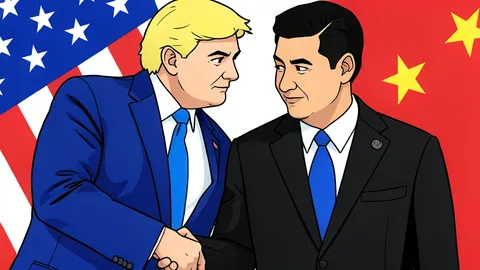
The forward question now centers on whether the US and China can find a compromise candidate acceptable to all veto-wielding powers. With Guterres’s term ending on December 31, the window for resolving this impasse is narrowing. Observers will watch closely whether the council moves to introduce new names or if one of the current candidates can suddenly secure the necessary broad support.