US Sanctions Bill Challenges India's Energy Strategy and Trade Prospects
A new US congressional proposal threatens to impose steep tariffs on countries purchasing Russian oil, placing India in a difficult position between energy security and diplomatic relations with Washington.
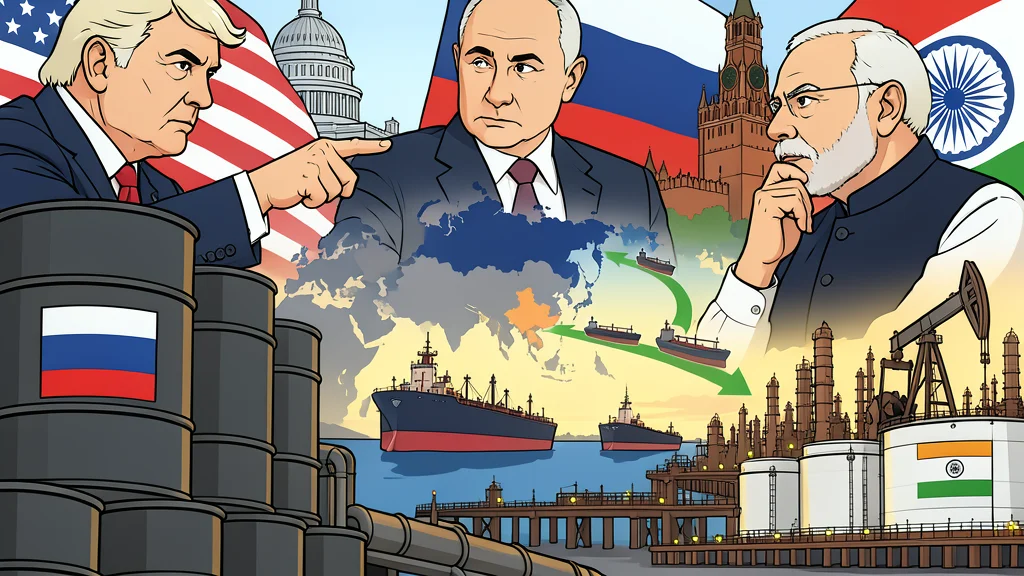
India has issued a sharp response to a US congressional bill that would authorize tariffs of up to 100% on nations buying significant volumes of Russian crude. The measure, which targets major energy importers including India and China, marks a significant escalation in tensions over Moscow’s oil exports. New Delhi warned that the legislation could damage bilateral relations and disrupt global energy markets, emphasizing its commitment to securing energy for its 1.4 billion citizens through diversified sources.
The reaction highlights the growing friction between India’s need for affordable energy and its broader strategic interests. Since the invasion of Ukraine, discounted Russian crude has accounted for more than 40% of India’s oil imports, delivering substantial savings. However, this trade dynamic now collides with a turbulent year of disputes with Washington, where trade talks have faced repeated delays and existing tariff arrangements remain fragile.
Trade negotiations face new headwinds
According to sources cited in reporting by GN auto geopolitics/global: sanctions policy, the latest tensions do not signal an abandonment of hopes for a US-India trade deal. However, New Delhi may increasingly pivot toward other partners if additional tariffs hit Indian exports. India has recently signed agreements with Britain, finalized one with the EU, and is seeking a deal with Canada, suggesting a strategy of diversifying its commercial alliances.
Michael Kugelman, a senior fellow at the Atlantic Council, described the legislation as a potentially maximalist blow to the relationship. He noted that while the damage could be manageable if tariffs are delayed or applied lightly, the bill risks widening the trust gap in Delhi. This could make it harder for Indian negotiators to agree to the final concessions needed to secure a trade agreement with Washington.
Political pressures within India intensify
The sanctions bill has become a domestic political issue in India, with opposition parties urging Prime Minister Narendra Modi to adopt a tougher stance. Any resulting increase in fuel prices poses a significant risk for the ruling BJP, which faces elections in key states including Uttar Pradesh, Punjab, and Gujarat starting early next year. The political stakes are high as the party seeks to maintain its grip on these regions while managing external pressures.
Historically, the United States has viewed India as a strategic counterweight to China. However, recent decisions in Washington have strained this partnership. In August 2025, the US imposed steep tariffs on Indian goods, partly linked to increased Russian oil purchases. Although duties were later rolled back in exchange for commitments to lower trade barriers, the underlying tension over energy sourcing remains unresolved.
Diplomatic opportunities remain available
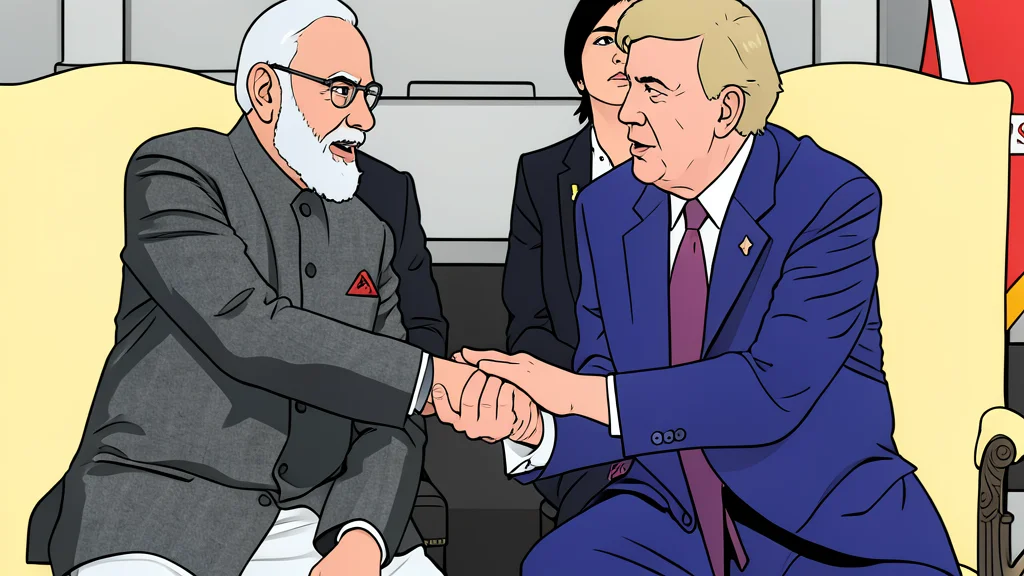
Despite the current friction, both sides retain diplomatic avenues for resolution. A breakthrough is hoped for when Prime Minister Modi travels to the United States for the G20 summit in December, where a meeting with President Trump is possible on the sidelines. The outcome of these discussions will be critical in determining whether the two nations can navigate the complex intersection of energy policy and trade interests.