US Sanctions Bill Puts India's Oil Strategy Under Pressure
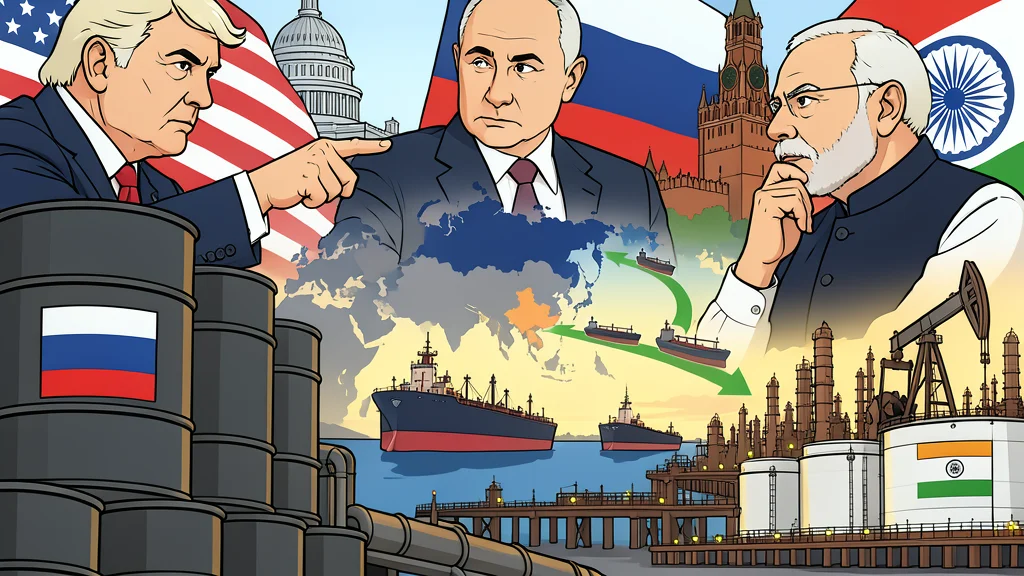
A new US bill threatens severe tariffs on buyers of Russian energy, forcing New Delhi to navigate a complex conflict between energy security and diplomatic relations with Washington.
The United States House of Representatives has advanced legislation that could fundamentally alter the global energy trade landscape by targeting countries that purchase Russian oil and gas. According to the GN auto geopolitics/global: sanctions policy report, the approved measure, known as the Lindsey O. Graham Sanctioning Russia and Iran Act of 2026, grants the President the authority to impose tariffs of up to 100 percent on nations buying from Moscow. The bill passed with a vote of 262 to 159, signaling a significant shift in Washington’s approach to economic statecraft. This move targets not only Russian state entities but also the private "shadow fleet" of tankers accused of facilitating the evasion of existing international sanctions.
For India, this development transforms a commercial procurement issue into a high-stakes diplomatic challenge. The proposed tariffs threaten to disrupt a critical supply chain that has become central to New Delhi’s energy strategy in recent years. While the legislation is framed as a measure against Russia, its immediate economic impact will be felt most acutely by major buyers like India, which relies heavily on discounted Russian crude. The situation now requires New Delhi to balance its sovereign right to source energy based on market conditions against the risk of severe retaliatory trade measures from its largest trading partner.
Sovereignty Clashes With Trade Leverage
New Delhi’s response has been measured but firm, emphasizing the principle of national sovereignty in energy purchasing. The Ministry of External Affairs has stated that India will take all necessary measures to protect its economic interests, without explicitly threatening retaliation or rejecting dialogue with Washington. According to Indian officials, the country buys oil based on domestic requirements and market availability, not as a political endorsement of Russia’s actions in Ukraine. This stance reflects a long-held position that India will not accept the extraterritorial application of another nation’s sanctions, viewing such demands as an infringement on its independent foreign policy.
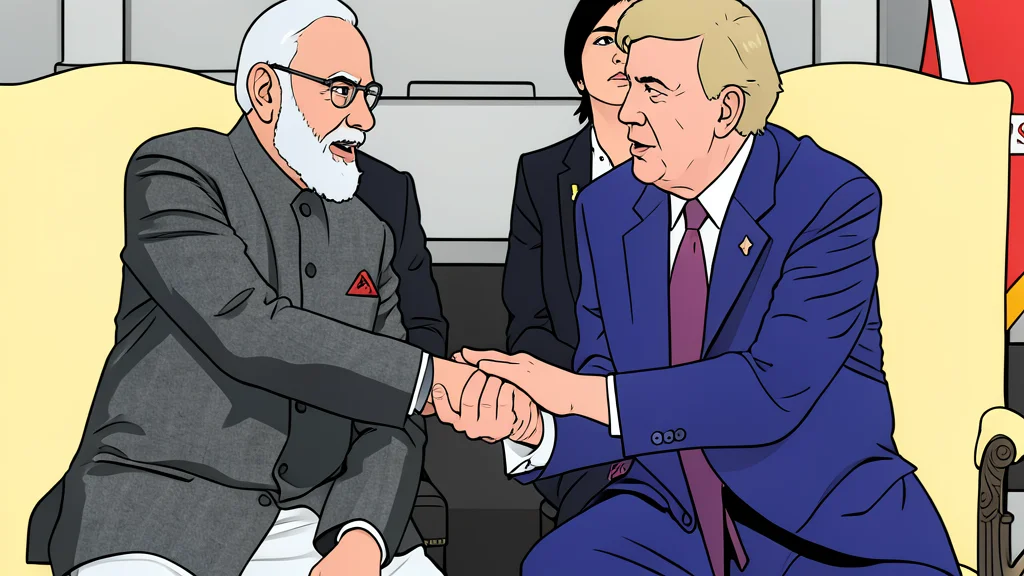
The diplomatic tension is further complicated by the broader context of US-India trade relations. Analysts suggest that the sanctions bill may serve a dual purpose, acting as both a punitive measure against Moscow and a bargaining chip in bilateral negotiations. By linking energy policy to trade access, Washington effectively raises the stakes for Indian exporters, who are already sensitive to changes in US tariff regimes. This dynamic forces New Delhi to consider whether maintaining its current energy mix is worth the potential cost of losing competitive advantage in the American market.
Economic Dependence Drives Strategic Risk
The economic stakes are substantial, with Russia accounting for approximately 30.3 percent of India’s crude oil imports in financial year 2026. Purchases valued at roughly $40.8 billion have provided Indian refiners with competitively priced crude during a period of geopolitical instability and shipping disruptions. In July alone, Russian supplies reportedly exceeded half of India’s total imported crude, outpacing combined shipments from the United Arab Emirates, Saudi Arabia, Venezuela, Brazil, Oman, and the United States. This heavy reliance creates a vulnerability that is difficult to remedy in the short term without significant financial cost.
Replacing Russian oil would involve navigating complex logistical and financial challenges. Alternative sources such as Saudi Arabia or the United States may offer higher political alignment but come with higher prices and varying levels of reliability. Furthermore, the Strait of Hormuz remains a critical chokepoint for energy transit, and ongoing conflicts in West Asia have increased uncertainty regarding shipping insurance and route safety. A forced reduction in Russian imports could therefore lead to higher costs for fuel, transportation, and industrial production within India, potentially impacting inflation and economic growth.
Export Sectors Face Potential Shock
The impact of the proposed tariffs would extend beyond the energy sector, posing a direct threat to key Indian export industries. A 100 percent tariff would render many Indian products commercially uncompetitive in the US market, severely affecting sectors such as textiles, engineering goods, pharmaceuticals, and chemicals. According to trade analysts, such a shock could weaken employment and reduce export earnings, complicating an already delicate bilateral trade negotiation. The legislation is increasingly viewed not just as a tool against Russia, but as a mechanism to extract concessions from India in broader economic talks.
The forward question now centers on how New Delhi will respond to this escalating pressure. Whether India seeks to diversify its energy portfolio, engages in further diplomatic dialogue to secure exemptions, or accepts the economic burden of higher energy costs will determine the trajectory of US-India relations in the coming months. The situation underscores the growing complexity of maintaining strategic autonomy in a world where trade and security are increasingly intertwined.