Visegrad Group Backs India’s Permanent UNSC Seat
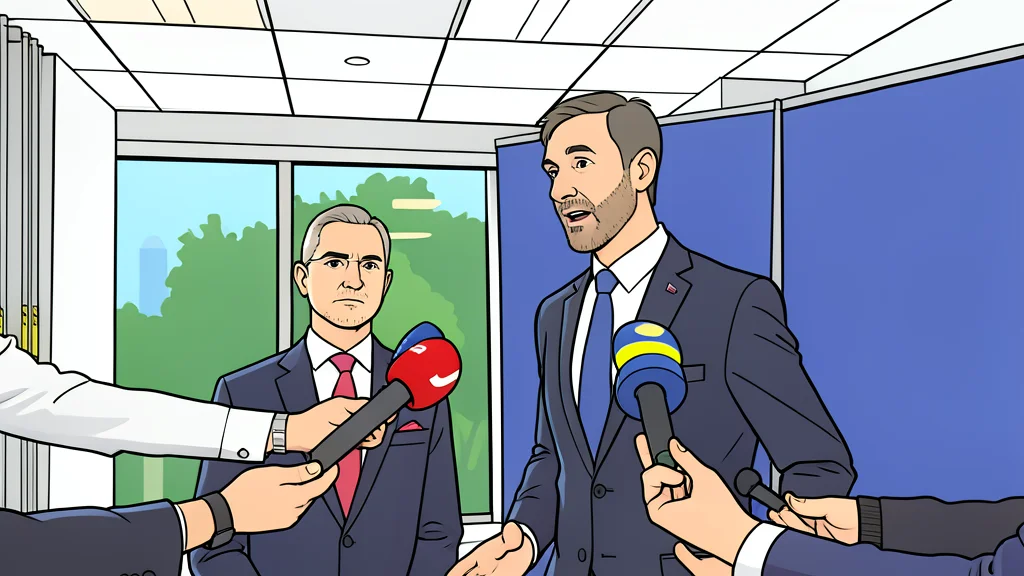
Four Central European nations formally endorsed India’s bid for a permanent seat on the UN Security Council during the 81st General Assembly.
Key points
- Four Visegrad nations formally agreed that India must be a permanent member of the UN Security Council.
- The endorsement was issued during the first V4+India Foreign Ministers’ Meeting in New York.
- The group agreed to deepen cooperation in trade, technology, defense, and people-to-people exchanges.
Poland, Hungary, Slovakia, and the Czech Republic have collectively endorsed India’s inclusion as a permanent member of the United Nations Security Council. This joint position was articulated by the four Visegrad Group nations following the inaugural V4+India Foreign Ministers’ Meeting, signaling a coordinated diplomatic stance in favor of UN reform.
The endorsement comes at a critical juncture for multilateral diplomacy, as India continues to advocate for a more representative global security architecture. By aligning their foreign policy positions with New Delhi on this specific issue, the Visegrad nations have added significant weight to India’s long-standing campaign for a permanent seat, which it has pursued for over two decades.
Diplomatic consensus at the General Assembly
Slovakian Foreign Minister Juraj Blanar, speaking under his country’s rotating presidency of the Visegrad Group, stated that India must be at the table as a permanent member. According to ANI, Blanar described India as an upcoming superpower in the Indo-Pacific region and a key part of the Global South, emphasizing the necessity of its presence in the UN’s top decision-making body.
The meeting took place on the sidelines of the 81st session of the UN General Assembly in New York. External Affairs Minister S. Jaishankar engaged with the foreign ministers of the four Central European states to formalize this agreement. The Indian Ministry of External Affairs noted that the ministers confirmed their shared view on the need for Security Council reform to better reflect contemporary realities.
Broadening the scope of bilateral engagement
Beyond the security council debate, the ministers discussed a comprehensive agenda of cooperation that includes trade, technology, and defense. The discussions highlighted the desire to strengthen resilient supply chains and foster innovation through research partnerships. This broadens the strategic partnership beyond traditional diplomatic channels, integrating economic and technological dimensions.
Jaishankar indicated that the V4+India format would serve as a permanent platform for dialogue. He outlined plans for annual foreign minister meetings and an annual business forum to facilitate deeper economic engagement. This institutionalizes the relationship, moving it from ad-hoc bilateral interactions to a structured multilateral framework.
Strategic implications for Global South cooperation
The Visegrad Group’s support is significant because it aligns Central European interests with India’s vision of a reformed multilateralism. According to the Ministry of External Affairs, the ministers exchanged views on challenges affecting the Global South, suggesting a potential convergence of interests regarding equitable representation in international institutions.
As reported by indianexpress.com, this development marks a step in establishing engagement between India and the Visegrad Group at the highest diplomatic level. The forward question remains how this bloc will leverage its influence within the European Union to further support India’s candidacy, and whether other major powers will follow suit in endorsing the reform agenda.