Beijing Deepens Ties with Cairo Amid Regional Shifts
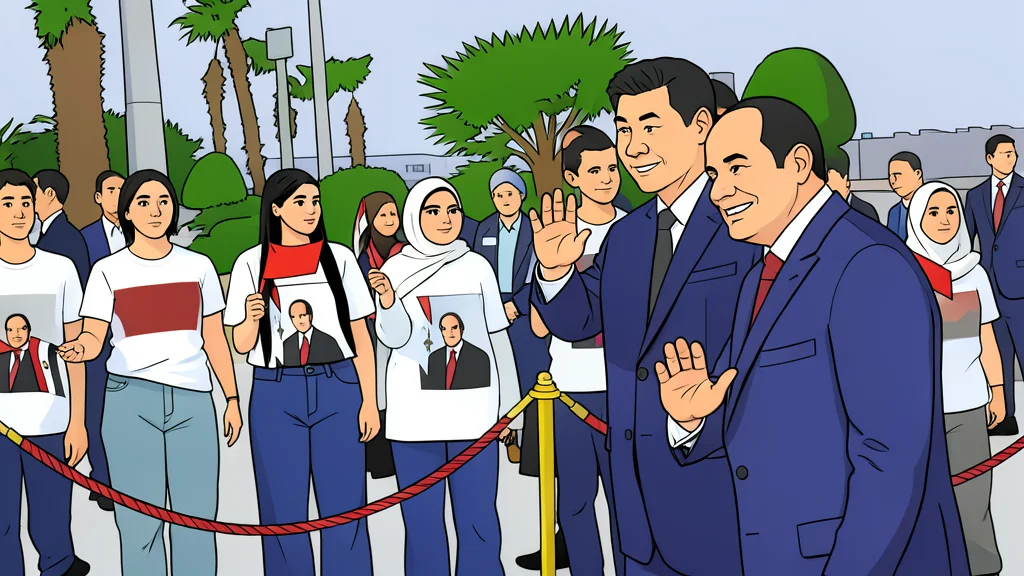
A recent state visit by Chinese President Xi Jinping to Egypt signals a significant realignment in Middle Eastern diplomacy, prompting questions about Israel's strategic response to evolving regional dynamics.
Chinese President Xi Jinping completed his first state visit to Cairo since 2016, arriving in late August following a summit in Kyrgyzstan. According to the GN auto geopolitics/middle-east: Middle East diplomacy desk, this itinerary underscores Beijing’s deliberate positioning of Egypt as a key strategic partner. The visit marks a tangible shift in bilateral relations, moving beyond traditional diplomatic channels into deeper cooperation in sectors such as energy and artificial intelligence.
The strategic implications of this engagement are further highlighted by recent military exercises. For the first time in history, China deployed Shenyang J-16 multirole fighter jets to the African continent for joint air drills with Egypt. While framed as a cooperative exercise, analysts note that such deployments represent a growing physical presence by a global power in a nation that remains a central pillar of Middle Eastern stability, particularly given Egypt’s long-standing ties with the United States.
Egypt as a Strategic Anchor
Egypt’s role in the region extends beyond its geographic position; it is a critical diplomatic bridge. The relationship between Cairo and Beijing has historically been complex, often mediated by Washington’s influence. However, recent developments suggest a diversification of Egyptian foreign policy that seeks to balance traditional Western alliances with emerging Eastern partnerships. This balancing act presents both challenges and opportunities for neighboring states that rely on regional stability.
For Israel, the deepening ties between Cairo and Beijing occur against a backdrop of shifting regional dynamics. The Israel-Egypt peace treaty remains a foundational element of regional security, yet the current diplomatic landscape is characterized by an absence of a cohesive long-term strategy to manage these evolving relationships. Observers argue that maintaining a regular strategic dialogue with the largest Arab state with which Israel has diplomatic ties is essential, yet such mechanisms appear largely dormant.
Domestic Politics Over Strategic Planning
Critics of the current Israeli government contend that foreign policy is increasingly driven by short-term domestic political considerations rather than long-term strategic interests. According to recent commentary, this approach has resulted in a lack of credible dialogue with partners and potential partners. The inability to formulate a clear vision for managing relationships with countries like Egypt, Turkey, and Qatar is seen as a significant gap in Israel’s diplomatic toolkit.
The consequences of this strategic vacuum are felt in areas such as energy cooperation and security coordination. For instance, the lack of a coordinated approach to ensuring freedom of navigation in the Red Sea, particularly in the face of threats from Houthi forces, highlights the broader absence of a unified regional strategy. Economically and diplomatically, Israel is reportedly paying a price for these missed opportunities, as neighboring nations explore alternative partnerships that may not align with Israeli interests.
Need for Policy-Driven Leadership
There is a growing call for a government structure that prioritizes policy expertise over political maneuvering. Veteran diplomats argue that senior positions require individuals with diverse experience in managing complex international systems. The current administration is often described as lacking the necessary depth and credibility to navigate the intricate web of Middle Eastern diplomacy, leading to a reactive rather than proactive stance.
The path forward, according to analysts, involves establishing a clear policy agenda and a consistent process for international engagement. This includes rebuilding credibility through reliable dialogue and demonstrating a commitment to shared regional challenges. As the Middle East continues to undergo significant geopolitical changes, the ability to manage these relationships effectively will be critical for Israel’s security and economic interests.
Looking ahead, the focus will likely remain on how Israel responds to the deepening China-Egypt axis. Key indicators to watch include potential joint energy projects, further military engagements, and shifts in diplomatic rhetoric. The coming months will test whether Israel can pivot toward a more strategic and coherent foreign policy, or if it will continue to navigate the regional landscape without a clear roadmap.