Belgium and Rwanda Restore Diplomatic Ties After Doha Mediation
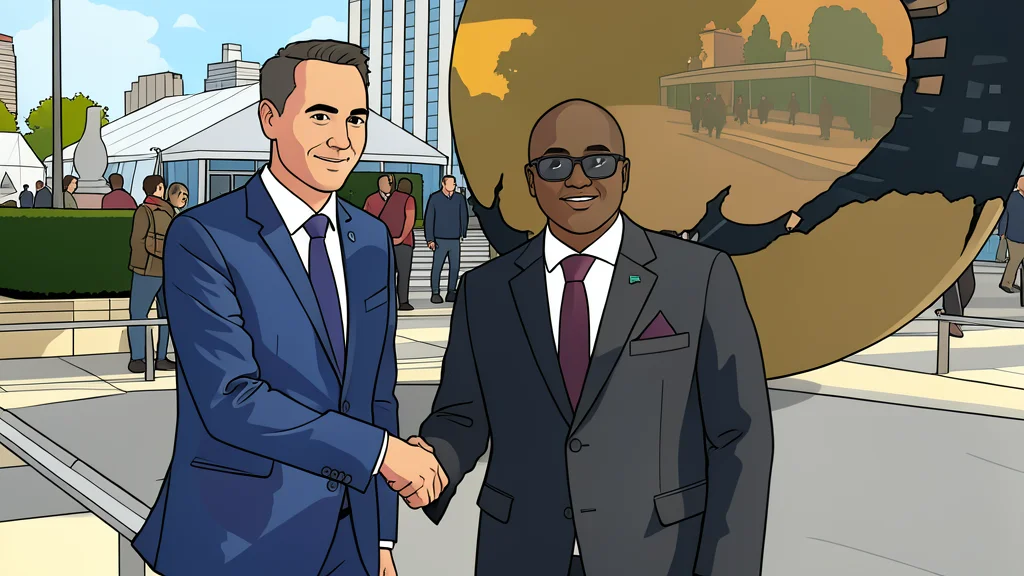
Brussels and Kigali have resumed relations eighteen months after a rift, crediting Qatari mediation for the breakthrough.
Key points
- Belgium and Rwanda have restored diplomatic ties, ending an eighteen-month rupture caused by the conflict in the eastern DRC.
- Qatar mediated the June 2025 talks in Doha, which Qatari officials credit with facilitating the recent breakthrough between Brussels and Kigali.
- Qatari leaders emphasized at the UN General Assembly that diplomacy is the primary tool for resolving regional crises, including tensions in the Gulf.
Belgium and Rwanda have officially restored diplomatic relations, ending an eighteen-month rupture that began with the mutual expulsion of diplomats. The two nations issued a joint statement on Tuesday expressing gratitude to Qatar for facilitating the process, which marked the first high-level engagement between their foreign ministers since the crisis erupted over the conflict in the eastern Democratic Republic of the Congo.
According to Al Jazeera English, Qatari officials described the resumption of ties as a testament to the effectiveness of sustained dialogue. Majed al-Ansari, the spokesperson for the Ministry of Foreign Affairs in Doha, emphasized that the recent breakthrough was built upon a foundation of trust established through previous mediations in the Great Lakes region. He noted that the parties valued Qatar’s consistent approach to providing a neutral platform for difficult conversations.
Mediation in the Great Lakes
Qatar’s involvement in the region extends beyond the bilateral dispute between Brussels and Kigali. Al-Ansari highlighted that Doha has long engaged with the conflict dynamics in the eastern DRC, including mediating between the Congolese government, Rwandan authorities, and the M23 armed group. This broader context allowed the Qatari team to address underlying issues during the June 2025 talks, which al-Ansari described as a breakthrough in restoring communication channels that had been severed for a considerable period.
The Qatari spokesperson explained that the mediation strategy relies on maintaining a consistent presence and fostering trust among all parties. By providing a secure environment for negotiation, Doha aims to allow the diplomatic trajectory to develop organically. This method has been applied to various conflicts, demonstrating a preference for structured dialogue over unilateral actions or coercive measures.
Diplomatic Priorities in New York
On the same day, Emir Sheikh Tamim bin Hamad Al Thani addressed the United Nations General Assembly in New York, reiterating Qatar’s commitment to resolving disputes through negotiation. He stated that the nation seeks fair solutions grounded in international law, a stance that aligns with the successful restoration of ties with Belgium and Rwanda. This public affirmation underscores Doha’s role as a persistent advocate for diplomatic de-escalation in volatile geopolitical environments.
Qatar’s foreign minister also held discussions with his Iranian counterpart regarding the de-escalation of tensions in the Gulf. According to al-Ansari, recent days have shown some movement in negotiations to end the US-Israel war on Iran, despite previous setbacks. The Qatari delegation, which also met with US President Donald Trump, urged for continued communication to prevent further international spillover from the conflicts in Gaza and the West Bank.
Regional Cooperation and Future Outlook
Doha is currently coordinating with Pakistan, Oman, and other Gulf Cooperation Council states to pursue a diplomatic resolution to the broader regional tensions. Al-Ansari warned that the effects of ongoing conflicts are being felt internationally and will only grow if diplomatic channels are not prioritized. The Qatari position is clear that time is a critical factor in minimizing global instability.
The restoration of ties between Belgium and Rwanda serves as a recent example of this diplomatic efficacy. However, observers will be watching how these gains are sustained and whether similar mechanisms can be applied to the more complex and entrenched conflicts in the Middle East. The coming weeks will likely reveal whether the momentum generated in Doha can translate into broader regional stability.