Lithuania Votes to Lift Nuclear Deployment Ban in Constitution

Lithuanian lawmakers voted 99-13 to begin removing the constitutional ban on nuclear weapons, though final adoption requires two further votes by 2027.
Key points
- Lithuanian deputies voted 99 to 13 to start removing the constitutional ban on nuclear weapons.
- Final adoption requires two more votes by January 2027, each needing at least 94 votes.
- Supporters argue the change removes obstacles to NATO deterrence without forcing immediate deployment.
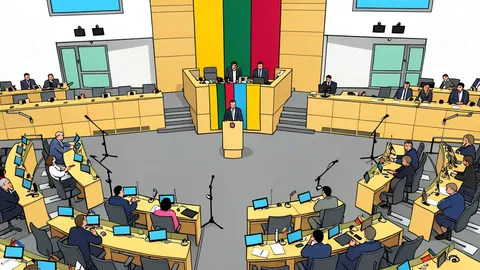
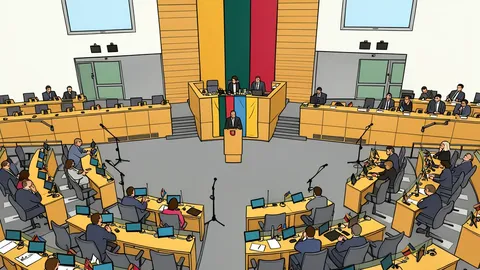
The Lithuanian Seimas has taken the first formal step toward removing the constitutional prohibition on the deployment of weapons of mass destruction on its territory. In a significant vote held recently, 99 deputies supported the proposal to amend Article 137, while 13 voted against and five abstained. This initial approval marks a pivotal shift in the country's strategic posture, although the change has not yet become law.
According to reports from the Lithuanian public broadcaster LRT and other sources, including Pryamim, this vote initiates a strict legislative process rather than an immediate policy change. For the amendment to be finalized, the parliament must conduct two additional votes, each separated by a three-month interval. Both subsequent votes require a qualified majority of at least 94 out of 141 deputies to pass.
Legislative process requires further votes
Speaker of the Seimas, Juozas Olekas, has outlined the upcoming timeline for the constitutional changes. The second vote on the adoption of the amendment is currently scheduled for October 6, with the final decisive vote set for January 12, 2027. This extended period allows for further debate and scrutiny, ensuring that the removal of the ban is a deliberate and sustained decision by the legislature rather than a temporary political maneuver.
Supporters of the amendment argue that the current constitutional language creates unnecessary obstacles to NATO’s collective defense mechanisms. Remigijus Motuzas, Chairman of the Foreign Affairs Committee, stated that Lithuania should not hinder the alliance’s nuclear deterrence capabilities. He emphasized that abolishing the restriction would signal to both allies and potential adversaries that Lithuania is prepared to utilize all available tools for collective security.
Strategic implications for regional security
Proponents of the change clarify that passing the amendment would not result in the automatic deployment of nuclear weapons in Lithuania. Instead, it would simply eliminate the legal barrier that currently makes such a scenario constitutionally impossible. This distinction is crucial, as it preserves the decision-making authority of the government and the alliance while removing a rigid legal constraint that critics view as outdated in the current geopolitical climate.
Context of rising regional tensions
This legislative move occurs against the backdrop of heightened security concerns in the Baltic region. Earlier warnings from Lithuanian intelligence services highlighted significant Russian troop buildups near NATO borders, increasing the sense of urgency among Baltic states to strengthen their defensive postures. The debate over nuclear weapons in Lithuania is thus deeply intertwined with broader NATO strategic discussions and the evolving threat perception in Eastern Europe.