UK Police: Muslim Staff Associations Face Influence Scrutiny
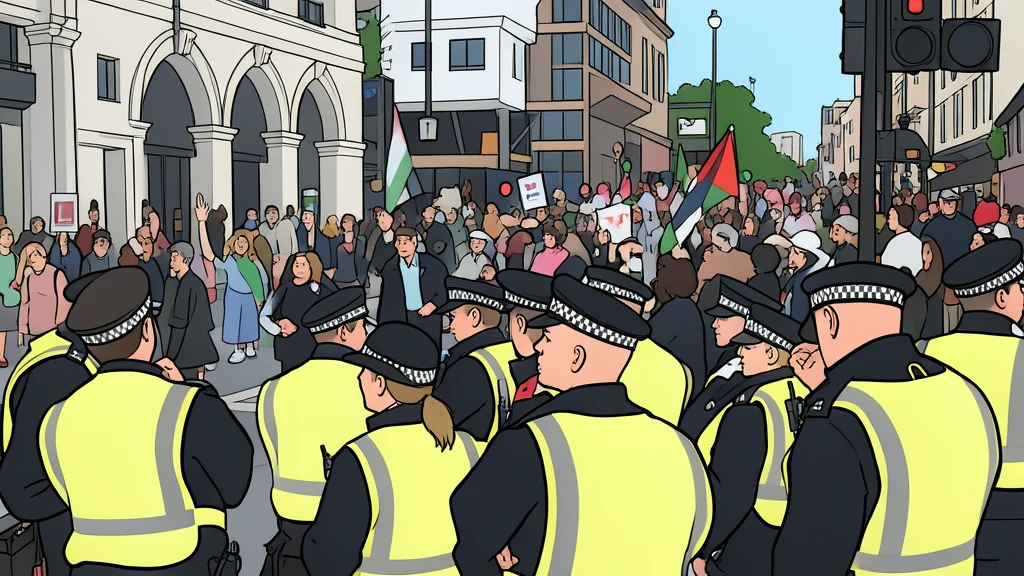
A new report claims internal police advocacy groups have shifted from support to political activism, raising concerns about operational independence.
Key points
- A Policy Exchange report alleges that Muslim police staff associations have engaged in political activism rather than just workplace support.
- The West Midlands Police scandal highlighted how internal advocacy groups may have influenced decisions to ban fans from a football match.
- Critics argue that fear of discrimination accusations has created a culture where political pressures compromise operational neutrality.
The relationship between British police forces and internal staff associations is undergoing intense scrutiny. According to a recent report by the Policy Exchange think tank, certain Muslim advocacy groups within the police have moved beyond traditional workplace support, engaging in political activism that undermines institutional neutrality.
The publication, cited by UnHerd, alleges that the National Association of Muslim Police has published materials defending extremist organizations and labeling critical terminology as discriminatory. This shift has prompted questions about whether diversity objectives have inadvertently created channels for political influence inside the ranks.
Evolution from Support to Advocacy
Historically, staff associations served as straightforward support networks for officers navigating workplace issues. In the years following the 1999 Macpherson Inquiry and the 9/11 attacks, building trust within Muslim communities became a priority for police leadership. Initial groups, such as the Metropolitan Police’s Muslim Police Association, focused on practical matters like religious observance or workplace disputes, often resolving issues through direct dialogue.
However, the landscape has changed as these organizations have proliferated across the service. Critics argue that some groups now leverage equality legislation not for workplace advocacy, but for broader political activism. This shift has made police forces more vulnerable to internal political pressures, particularly as allegations of discrimination carry significant career risks for senior officers.
Operational Integrity Under Pressure
The tension between religious identity and professional duty has produced several high-profile incidents. In 2006, a firearms officer requested to be removed from guarding the Israeli embassy during a conflict. More recently, a senior officer left the Metropolitan Police’s counter-terrorism unit, citing a culture where internal racism was allegedly ignored to avoid accusations of Islamophobia.
The most significant recent controversy involves West Midlands Police, where decisions to ban Israeli fans from a football match were linked to pressure from local political figures and police liaison officers. The involvement of staff associations in this decision-making process has raised serious concerns about the integrity of operational judgments and the potential for external political influence.
Political Context and Future Risks
The issue is further complicated by the political environment, particularly in urban areas where specific voting blocs hold significant influence. With new government guidelines on discrimination, officers may feel increasingly pressured to align with certain viewpoints to protect their positions. This dynamic risks distorting the police’s role as a neutral arbiter of law and order.
As these associations continue to grow in influence, the balance between fostering an inclusive workforce and maintaining operational independence remains a critical challenge. The next few years will likely see increased legal and internal scrutiny of how staff associations interact with command structures, testing the resilience of Britain’s policing model against internal political pressures.