Italy Deploys Warships to Secure Bab al-Mandeb Passage
Rome moves ahead of Brussels, citing economic risks and Houthi control of the Red Sea coast.
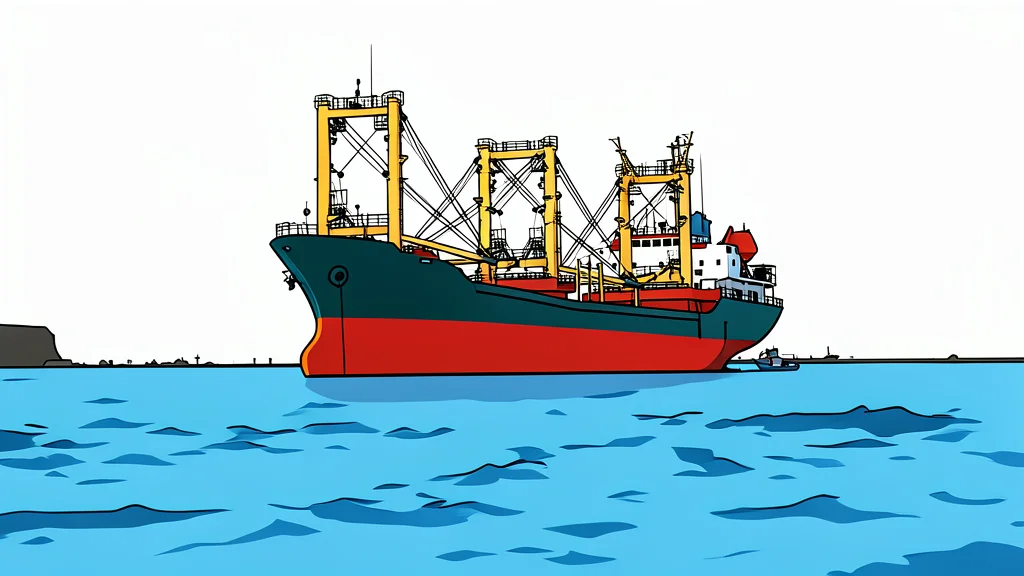
Italy has announced it will deploy warships to protect commercial vessels transiting the Bab al-Mandeb strait, a move that bypasses pending European Union coordination. Defence Minister Guido Crosetto stated that Rome possesses the necessary capabilities to ensure safe passage and will not wait for a collective decision from Brussels. This unilateral approach reflects a growing concern in European capitals regarding the immediate security of maritime trade routes that are critical to the continent's economy.
According to Al Jazeera English, the Italian government warned that bureaucratic delays in decision-making could exacerbate an already complex situation. Crosetto emphasized that if the waterway becomes impassable, the economic consequences for Europe would be severe. The strait serves as a vital link between the Red Sea and the Gulf of Aden, handling a significant portion of global trade and energy flows.
Strait Becomes Critical Oil Artery
The strategic importance of Bab al-Mandeb has intensified in recent months as alternative routes for Gulf crude oil have been disrupted. Iran’s control over the Strait of Hormuz has pushed Saudi Arabia and other producers to rely on pipelines and Red Sea shipping to reach global markets. With 12 to 15 percent of global trade historically passing through this narrow corridor, any disruption poses a direct threat to energy supplies and container traffic heading to Europe.
Analysts note that the strait is now one of the last major arteries open for Gulf oil exports. The geographical narrowness of the passage, which is only about 30 kilometers wide at its tightest point, makes it particularly vulnerable to blockade or interdiction. This vulnerability has heightened the urgency for European nations to secure their own maritime interests independently.
Houthi Control Complicates Regional Security
The security environment around the strait has deteriorated following a recent offensive by Yemen’s Houthi movement. The group has consolidated control over the entire western Red Sea coast, including strategically located islands. This expansion has given the Houthis unrestricted access to the waterway, raising fears about their ability to target vessels associated with the United States or its allies.
While the US and the EU have conducted military operations to protect merchant shipping, these efforts have struggled to fully secure the route amid escalating fighting in Yemen. The Italian decision to deploy warships is seen as a pragmatic response to the limitations of current joint operations. Rome aims to provide a dedicated security umbrella for its own commercial fleet, reducing reliance on broader, slower-moving multilateral frameworks.
Next Steps for European Maritime Policy
The Italian move sets a precedent that other European nations may follow as they assess their own exposure to shipping risks. The coming weeks will likely see increased naval presence in the Red Sea, with potential for both cooperation and competition among European fleets. Observers will watch whether Brussels manages to coordinate a unified response or if individual national deployments become the new norm for protecting critical trade routes.