Economic Strain Deepens for Iranian Households
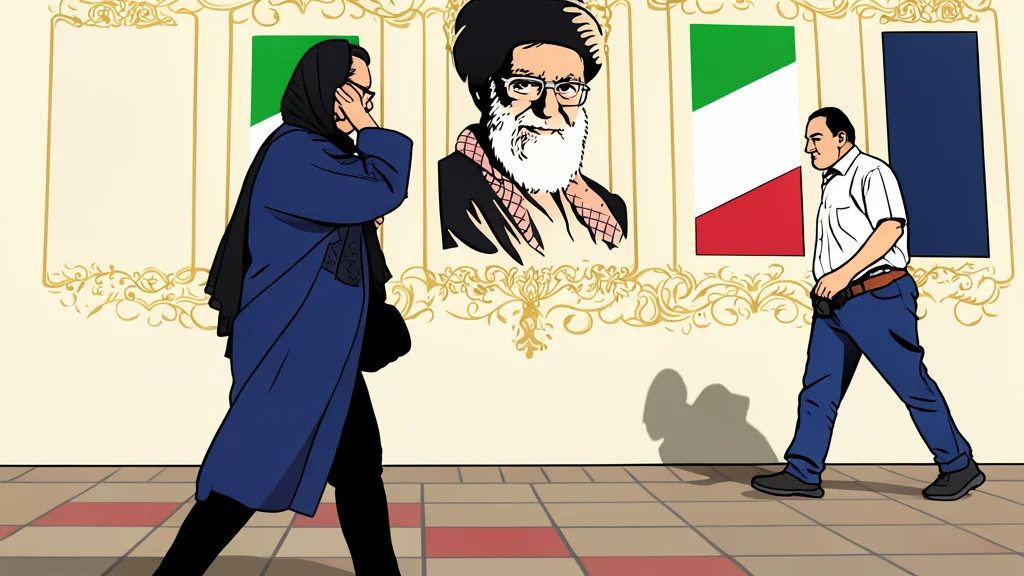
Rising inflation and currency collapse are pushing basic necessities out of reach for many families in Iran as regional tensions persist.
For many families in Iran, the prospect of a dignified life has become increasingly elusive, according to reports from Al Jazeera English. The convergence of internal economic challenges and external pressures has created a volatile environment where basic needs are becoming difficult to secure. Residents describe a steady decline in their standard of living, with no clear trajectory toward improvement in the immediate future.
Younger generations often compare their current circumstances to the turbulent decade following the 1979 revolution, yet many feel the present situation is even more precarious. Worsening sanctions and a volatile job market have compounded these difficulties. Young adults express frustration that milestones such as buying a home, a car, or even a new phone are now considered distant dreams rather than realistic goals.
Rising Costs Impact Daily Life
The financial strain is evident in the daily routines of households across Tehran. A 23-year-old student working at a cafe in downtown Tehran described a family where the father, a pensioner, drives an aging vehicle for ride-hailing work while his mother supplements their income with sewing. Despite government subsidies, their combined monthly income struggles to keep pace with soaring expenses.
Basic dietary items have become luxuries, with meat purchased only once every six to eight weeks. The family has abandoned eating out and buying new clothing or appliances. Recent increases in petrol prices have further tightened the budget, creating a pervasive sense that conditions will deteriorate before they stabilize. This sentiment reflects a broader loss of hope among the population as economic uncertainty deepens.
Inflation and Currency Collapse
Official data underscores the severity of the economic crisis. By late August, year-on-year inflation reached 89 percent, while food prices surged by more than 127 percent compared to the same period last year, according to the Statistical Center of Iran. The national currency continues its downward spiral, hitting record lows in open markets before seeing slight fluctuations due to potential diplomatic developments.
The devaluation of the rial has eroded purchasing power dramatically. A sum of money that once bought a car or a piece of land now yields only a small amount of meat. This stark contrast highlights the erosion of wealth and the diminishing value of savings over the past few years. For many, the economic reality is defined by a shrinking capacity to meet fundamental needs.
Geopolitical Tensions Shape Outlook
External factors, including intensified sanctions and naval blockades, have significantly worsened the domestic situation this year. These measures, combined with restrictions on internet use and ongoing regional tensions, have disrupted air, overland, and rail routes. Most Iranian oil exports have been halted by the maritime blockade, further constraining the economy and limiting options for relief.
Diplomatic efforts remain stalled, with Iran insisting that negotiations with the United States will not occur until specific conditions regarding the Strait of Hormuz and sanctions are met. While there are indications of potential discussions with regional states, the immediate outlook remains uncertain. The forward question is whether diplomatic breakthroughs can alleviate the immediate humanitarian and economic pressures facing the population.